CM Yogi Questions SP, Congress Silence on Waqf Land Issue
Synopsis
Uttar Pradesh CM Yogi Adityanath on 7 July 2026 challenged the Samajwadi Party and Congress over their silence on alleged large-scale misappropriation of poor farmers' and government land under the Waqf framework, sharpening the BJP's political offensive on Waqf governance.
Key Takeaways
CM Yogi Adityanath on 7 July 2026 publicly questioned why Samajwadi Party and Congress never opposed alleged Waqf land misappropriation.
He alleged that thousands of acres of land belonging to poor people and the government were transferred under the name of Waqf.
The Waqf Act, 1995 and its 2013 UPA amendment — which expanded Waqf board powers — are at the centre of the political dispute.
The Samajwadi Party governed Uttar Pradesh from 2012 to 2017 and is a primary target of the BJP 's accusations of inaction.
The Yogi Adityanath government has initiated land surveys and recovery proceedings for government land claimed by the UP Waqf Board .
Court challenges to disputed Waqf land claims are pending, and further administrative or legislative action in UP could accelerate those cases.
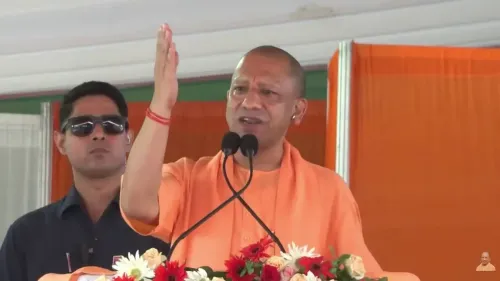
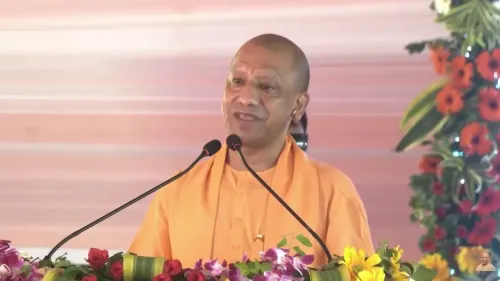
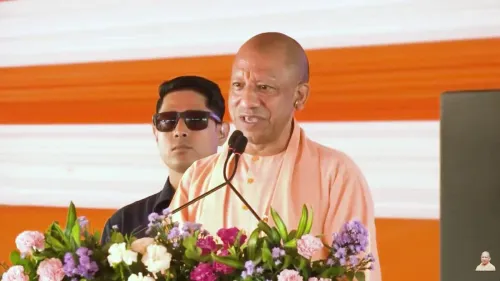
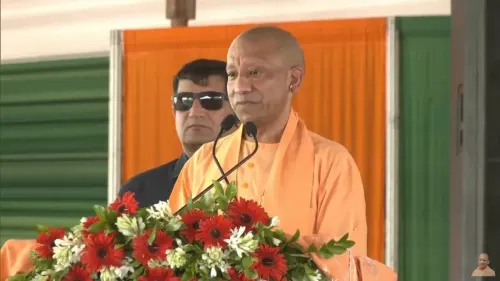
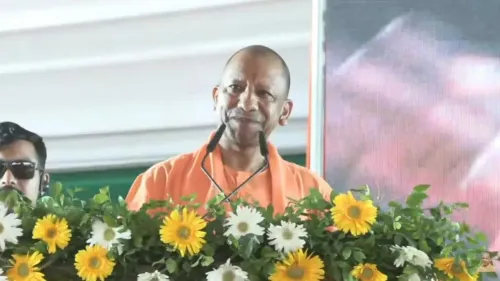
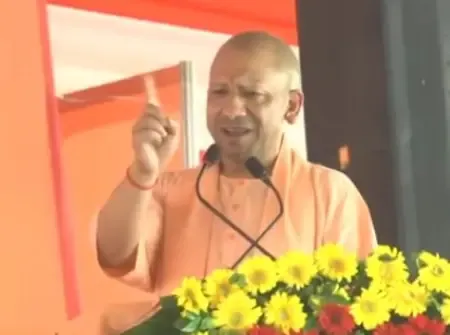
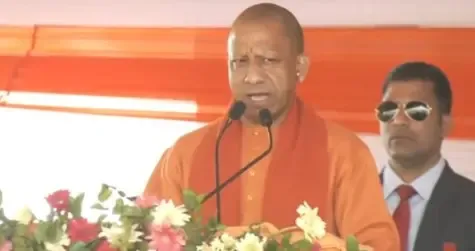
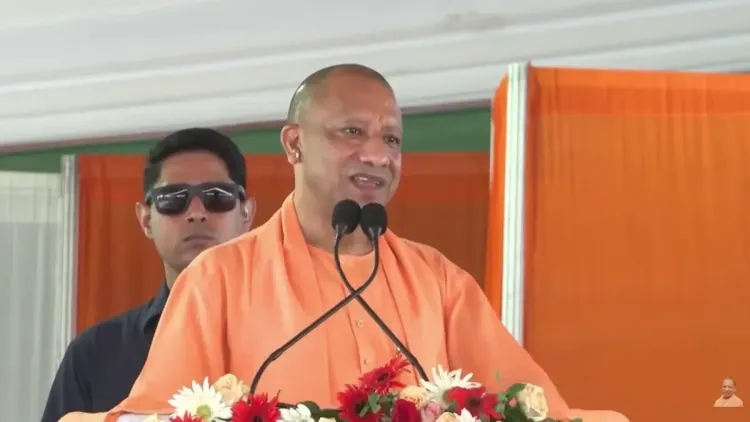
Uttar Pradesh Chief Minister Yogi Adityanath on Tuesday, 7 July 2026, sharply questioned why the Samajwadi Party and the Indian National Congress never raised their voice against alleged large-scale transfers of poor farmers' land and government land under the name of Waqf. The remarks, made via a video post on X, signal a renewed BJP offensive on Waqf land governance ahead of the political season.
Context
In the post, CM Yogi said — 'वक्फ के नाम पर हजारों एकड़ गरीब की लैंड, सरकारी लैंड का वारा-न्यारा हुआ है' ('Thousands of acres of land belonging to the poor and government land have been misappropriated in the name of Waqf') — and asked why the Samajwadi Party and Congress never raised their voice against it. The statement is a direct challenge to two of the principal opposition formations in Uttar Pradesh, framing their silence as complicity.
The remarks come in the context of a long-running national debate over the scale and legality of Waqf Board land holdings. The Uttar Pradesh Waqf Board is a statutory body under the Waqf Act, 1995, responsible for administering Muslim religious endowments and properties across the state. Critics, including the BJP, have long argued that the board's powers to identify and claim properties have been misused.
Policy Backdrop
The Waqf Act was passed in 1995 to provide a legal framework for the administration of Waqf properties and state Waqf boards across India. In 2013, the Congress-led UPA government amended the Act, significantly expanding the powers of Waqf boards to identify and claim properties — a move the BJP has consistently criticised as minority appeasement.
The Samajwadi Party governed Uttar Pradesh from 2012 to 2017 under Akhilesh Yadav. The BJP has repeatedly accused both the SP and Congress of inaction on alleged encroachments of government and private land by Waqf boards during their respective tenures. The current Yogi Adityanath administration has initiated surveys and recovery proceedings targeting government land it says was improperly claimed.
Stakeholders and Impact
At the centre of the dispute are small and marginal landowners — particularly those from economically weaker sections — whose land, according to BJP leaders, was declared Waqf property without adequate legal recourse. State revenue departments are also key stakeholders, as government land claimed by Waqf boards reduces the state's ability to deploy that land for public welfare schemes.
The Samajwadi Party and Congress have not yet formally responded to CM Yogi's latest remarks. Both parties have historically defended the institutional autonomy of Waqf boards and have argued that the BJP's campaign on Waqf land is politically motivated and targets Muslim institutions disproportionately.
What's Next
Political observers will watch whether CM Yogi's statement is followed by fresh administrative action — including expanded land surveys or new legislation — or whether it remains primarily a political salvo. Court challenges to disputed Waqf land claims are already pending in several jurisdictions, and any state-level move could accelerate those proceedings. With the broader national debate on Waqf governance intensifying, Uttar Pradesh is likely to remain a key battleground for this issue.
Point of View
Keeping the issue alive as a political mobilisation tool. By directly naming the Samajwadi Party and Congress, the Chief Minister is drawing a contrast ahead of future electoral cycles in Uttar Pradesh, where land rights and minority institution accountability resonate strongly with the BJP's core voter base. The remarks also align with the party's national narrative following the parliamentary debate on Waqf amendment legislation. The absence of a counter-narrative from the SP or Congress on this specific charge risks ceding the frame of 'pro-poor land justice' to the ruling party.
NationPress
7 Jul 2026
Frequently Asked Questions
What did CM Yogi Adityanath say about Waqf land?
CM Yogi Adityanath alleged on 7 July 2026 that thousands of acres of land belonging to poor people and the government were misappropriated in the name of Waqf, and questioned why the Samajwadi Party and Congress never raised their voice against it.
What is the Waqf Act and why is it controversial in India?
The Waqf Act, 1995 provides a legal framework for administering Muslim religious endowment properties through state Waqf boards. It became controversial after a 2013 UPA amendment expanded Waqf boards' powers to identify and claim properties, which critics including the BJP argue led to encroachment on private and government land.
What is the UP Waqf Board?
The Uttar Pradesh Waqf Board is a statutory body responsible for administering Muslim religious endowments and properties across Uttar Pradesh. It operates under the central Waqf Act and has been at the centre of disputes over land claims in the state.
What action has the Yogi government taken on Waqf land in UP?
The Yogi Adityanath administration has initiated surveys and recovery proceedings for government land it says was improperly claimed by the Uttar Pradesh Waqf Board, as part of a broader push on land governance.
Why is CM Yogi targeting Samajwadi Party and Congress on the Waqf issue?
CM Yogi is accusing both parties of inaction during their respective tenures — the Congress-led UPA at the centre and the Samajwadi Party in UP from 2012 to 2017 — framing their silence as complicity in the alleged misappropriation of land under the Waqf framework.