CM Yogi to set up Sardar Patel Employment Zones in every UP district
Synopsis
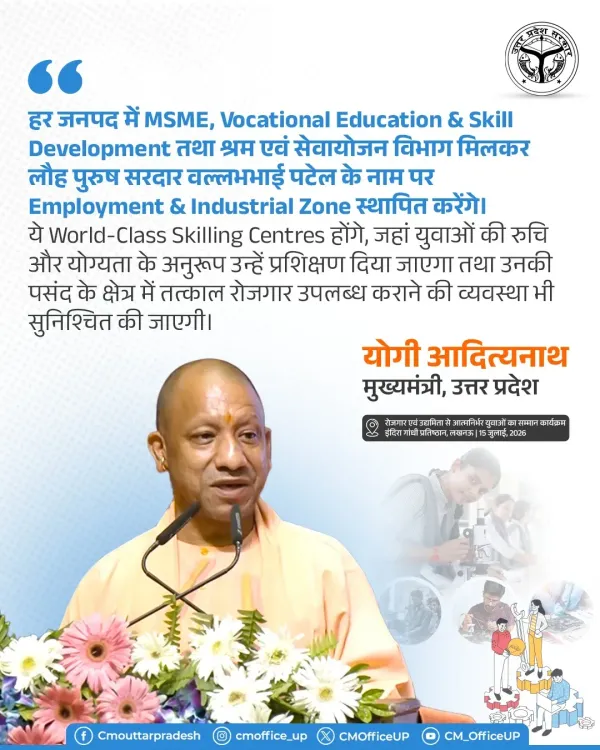
CM Yogi Adityanath has announced world-class Employment and Industrial Zones named after Sardar Vallabhbhai Patel in every Uttar Pradesh district, merging MSME, skill development, and labour departments to train youth and provide immediate employment in their chosen sectors.
Key Takeaways
Employment and Industrial Zones named after Sardar Vallabhbhai Patel will be established in every one of Uttar Pradesh's 75 districts .
Three state departments — MSME , Vocational Education and Skill Development , and Labour and Employment — will jointly operate each zone.
The centres will provide training aligned with individual youth aptitude and interest, not a one-size-fits-all curriculum.
Immediate employment in the trainee's preferred sector is a stated goal of the scheme, not just certification.
The initiative extends Uttar Pradesh 's district-level employment strategy, building on the Skill Development Mission (2017) and One District One Product scheme (2018).
Budget allocations, rollout timelines, and private-sector MoUs have not yet been disclosed publicly.
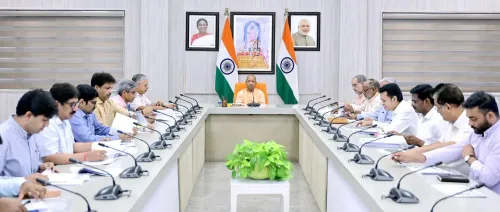
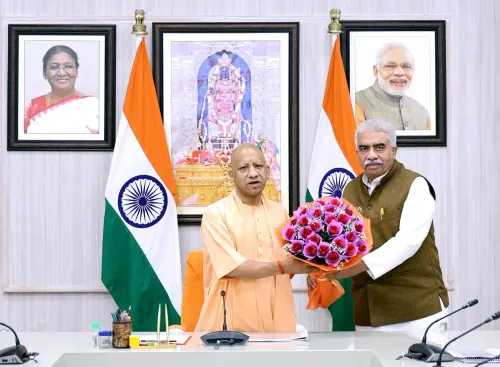
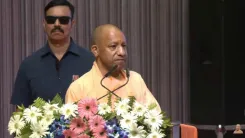
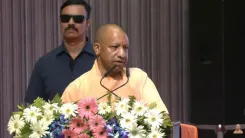
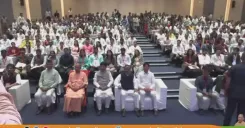
The Chief Minister's Office of Uttar Pradesh announced on Wednesday, 15 July 2026 that Employment and Industrial Zones named after Sardar Vallabhbhai Patel will be established in every district of the state, with three departments — MSME, Vocational Education and Skill Development, and Labour and Employment — working in tandem to deliver world-class skilling and immediate job placement.
Context
Chief Minister Yogi Adityanath stated that the new zones will function as 'World-Class Skilling Centres' (world-class skill hubs) where training will be tailored to each young person's interest and aptitude. The announcement, attributed directly to the Chief Minister, adds that arrangements will be made to ensure 'tatkal rojgar' (immediate employment) in the sector of the trainee's choice upon completion of training.
The zones carry the name of Sardar Vallabhbhai Patel, India's first Home Minister and the leader credited with unifying the country's princely states after independence, popularly known as the Loh Purush (Iron Man of India).
Policy Backdrop
Uttar Pradesh set up its Skill Development Mission in 2017 to coordinate vocational training across government departments, the same year CM Yogi Adityanath assumed office with a stated focus on industrialisation and youth employment. The state also launched the One District One Product scheme in 2018 to anchor local manufacturing and job creation at the district level.
The new Employment and Industrial Zones extend that district-level logic by fusing skilling infrastructure with industrial placement pipelines under a single administrative roof. The convergence of three departments — MSME, Skill Development, and Labour — under one district-level framework mirrors the multi-ministry coordination model promoted by national programmes such as Skill India and Make in India.
Naming state infrastructure after Sardar Patel continues a well-established practice; the Statue of Unity in Gujarat, the world's tallest statue dedicated to Patel, was inaugurated in 2018 as a national tribute to the same leader.
Stakeholders and Impact
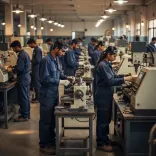
Uttar Pradesh, India's most populous state, has long grappled with high youth unemployment and an underdeveloped formal MSME ecosystem. The proposed zones are designed to address both simultaneously: MSME units gain a trained local workforce, while young people receive placement-linked skilling rather than generic certification.
Vocational trainees, existing and prospective MSME entrepreneurs, and the state's large pool of first-time job seekers stand to be the primary beneficiaries. The district-level rollout — covering all 75 districts of the state — is intended to ensure geographic equity rather than concentrating benefits in urban centres.
What's Next
The critical details that will determine the scheme's reach — district-level rollout timelines, budget allocations in the next state budget, and any memoranda of understanding signed with private industry for guaranteed placements — are yet to be made public. Observers will watch whether the multi-department coordination model translates into a unified district-level authority or remains a parallel-track arrangement.
If implemented at scale, the Sardar Patel Employment and Industrial Zones could represent the most ambitious district-level convergence of skilling and industrial policy that Uttar Pradesh has attempted, with implications for how other large states design employment infrastructure going forward.
Point of View
Placement-linked industrial zones. Fusing three departments under one roof at the district level is administratively ambitious and, if executed with clear accountability, could reduce the fragmentation that has historically diluted skill-training outcomes. Naming the zones after Sardar Patel carries deliberate symbolic weight, associating the scheme with national unity and strength at a time when the ruling dispensation has consistently invoked Patel's legacy for policy branding. The scheme's true test will be whether private MSME partners commit to guaranteed placements or whether the 'immediate employment' promise remains aspirational.
NationPress
15 Jul 2026
Frequently Asked Questions
What is the Sardar Patel Employment and Industrial Zone in UP?
It is a proposed district-level facility in Uttar Pradesh where the MSME, Vocational Education and Skill Development, and Labour and Employment departments will jointly train youth and arrange immediate employment in their chosen field. The zones are named after Sardar Vallabhbhai Patel, India's first Home Minister.
How many districts in UP will get these employment zones?
The announcement covers all districts of Uttar Pradesh. The state has 75 districts , meaning 75 such zones are envisaged under the plan announced by CM Yogi Adityanath .
Who announced the Sardar Patel Employment Zone scheme?
Chief Minister Yogi Adityanath made the announcement, which was shared by the official Chief Minister's Office of Uttar Pradesh on 15 July 2026 .
What is the difference between these zones and existing skill centres in UP?
Unlike standalone skilling centres, the proposed zones will converge three departments — MSME, Skill Development, and Labour — under one district-level framework and are designed to provide tatkal rojgar (immediate employment) in the trainee's preferred sector, not just a training certificate.
Why are the zones named after Sardar Vallabhbhai Patel?
Sardar Vallabhbhai Patel, known as the Loh Purush or Iron Man of India, is widely revered for unifying India's princely states after independence. Naming state infrastructure after him is consistent with a broader national practice of honouring his legacy, which also includes the Statue of Unity inaugurated in Gujarat in 2018 .