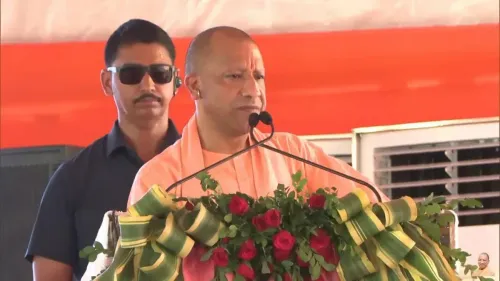
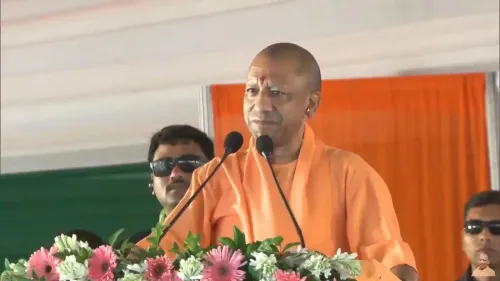
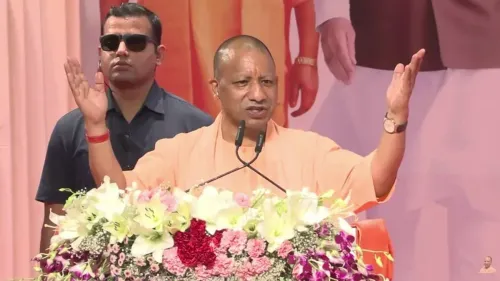
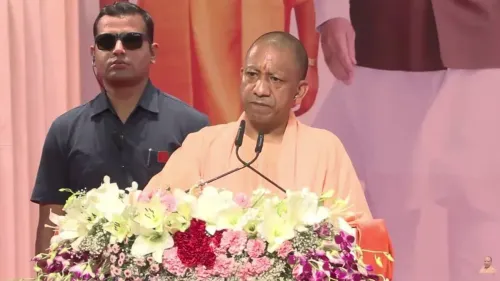
CM Yogi: Previous rulers treated UP as family property
Synopsis
Uttar Pradesh Chief Minister Yogi Adityanath said previous rulers had treated the state as ancestral property. The 27 November 2026 video restates the BJP anti-dynasty case against earlier SP and BSP years since 2017.
Key Takeaways
Uttar Pradesh Chief Minister Yogi Adityanath on 27 November 2026 said earlier rulers had treated the state as ancestral property ( bapauti ).
The X post was accompanied by a video and did not name specific parties in the written text.
Since 2017 , BJP leaders have framed prior Samajwadi Party and Bahujan Samaj Party rule as dynastic control of state institutions.
The charge sits inside a wider BJP campaign against hereditary politics across Indian states.
Opposition replies in the Uttar Pradesh Assembly remain the next political marker to watch.
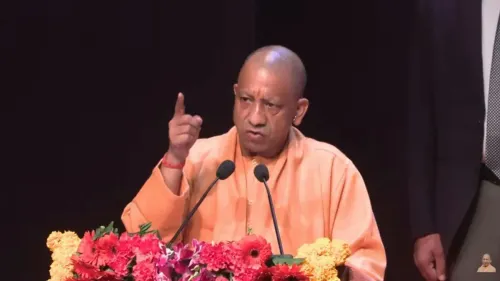
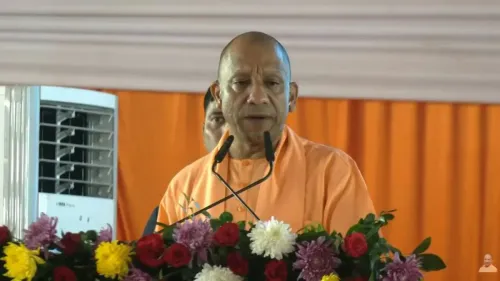
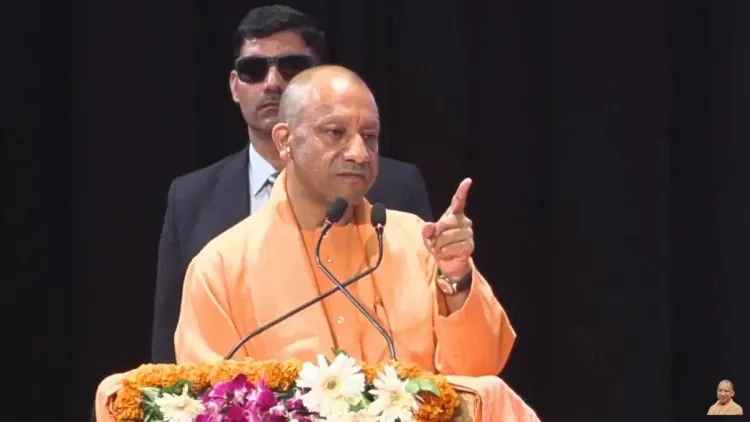
Uttar Pradesh Chief Minister Yogi Adityanath on Friday, 27 November 2026 accused earlier rulers of treating the state as ancestral family property, a one-line charge that has long defined the BJP case against dynastic politics in Uttar Pradesh.
The posted sentence was stark. In Hindi he wrote, प्रदेश को इन लोगों ने अपनी बपौती मान ली थी ('These people had considered the state as their ancestral property'). A video accompanied the text.
The bapauti charge over Uttar Pradesh
Bapauti means inheritance, the family estate passed down a bloodline. Applied to India's most populous state, the word turns public office into a claimed heirloom.
The written post did not name who 'these people' were. The vocabulary is nonetheless the one BJP leaders have used for years against earlier governments in Lucknow.
How the 2017 mandate recast the argument
After the 2017 Uttar Pradesh Assembly elections, the incoming BJP government made ending alleged dynastic control of state institutions a central claim. Leaders have repeatedly described prior Samajwadi Party and Bahujan Samaj Party years as a time when the state was run like family property.
That pitch has travelled with talk of administrative reform and anti-corruption drives. It is also the party's wider line against hereditary politics in other states.
Lucknow's opposition still has the floor
The clip does not launch a scheme. It restates a diagnosis: that Uttar Pradesh was once treated as inheritance, and that this government defines itself against that idea. Opposition parties have long called such language electoral rhetoric.
A reply on the floor of the Uttar Pradesh Assembly, or a counter-account of the pre-2017 years, would show whether this line stays a social-media burst or opens another round over who holds power in Lucknow. In India's largest state, bapauti is never only a word about the past. It is a claim on who runs the next chapter.
Point of View
And that the present government exists to break that pattern. Bapauti converts an administrative claim into a moral one, pitting public office as inheritance against public office as duty. The Chief Minister's wording leaves the targets unnamed, which keeps the charge broad and reusable against any opposition family network. The test is whether Lucknow follows the clip with a concrete governance or anti-dynasty move, or whether it remains a campaign slogan aimed at voters who still argue over the pre-2017 years.
NationPress
27 Nov 2026
Frequently Asked Questions
What did CM Yogi Adityanath say about previous UP governments?
He said they had considered the state as their ancestral property, using the Hindi word bapauti. The remark was posted on X on 27 November 2026 with a video.
What does bapauti mean in Yogi Adityanath's post?
Bapauti means ancestral property or family inheritance. He used it to allege that earlier rulers treated Uttar Pradesh as a personal family holding rather than a public trust.
Which parties governed Uttar Pradesh before Yogi Adityanath?
The Samajwadi Party and the Bahujan Samaj Party headed the state in the years before the 2017 Assembly elections. Yogi Adityanath has been Chief Minister since 2017.
Is this a new BJP line in Uttar Pradesh?
No. Since 2017, BJP leaders have repeatedly framed prior SP and BSP rule as dynastic control of state institutions. The latest post restates that long-running charge.
Will the Uttar Pradesh opposition respond in the Assembly?
There is no confirmed Assembly reply to this specific clip yet. Opposition parties have previously dismissed similar dynasty charges as campaign rhetoric, and any House response would be the next marker to watch.