Did Congress Applaud the US Supreme Court’s Ruling Against Trump’s Tariff Policies?
Synopsis
The US Supreme Court's recent ruling against Trump's tariff strategy has drawn praise from Congress leader Jairam Ramesh. This decision marks a significant setback for Trump's economic policy, as the court limits presidential power on tariffs. Explore the implications of this ruling on global trade and US economic strategies.
Key Takeaways
The US Supreme Court ruled against Trump's tariff strategy.
Jairam Ramesh commended the court's decision.
The ruling limits presidential powers regarding tariffs.
It emphasizes the necessity of congressional approval.
This decision may reshape future US trade policies.
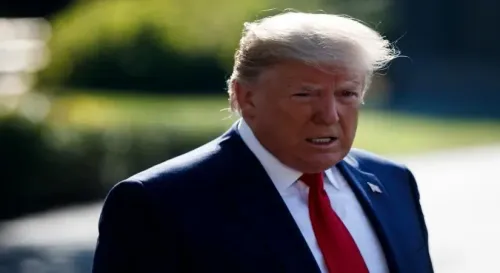
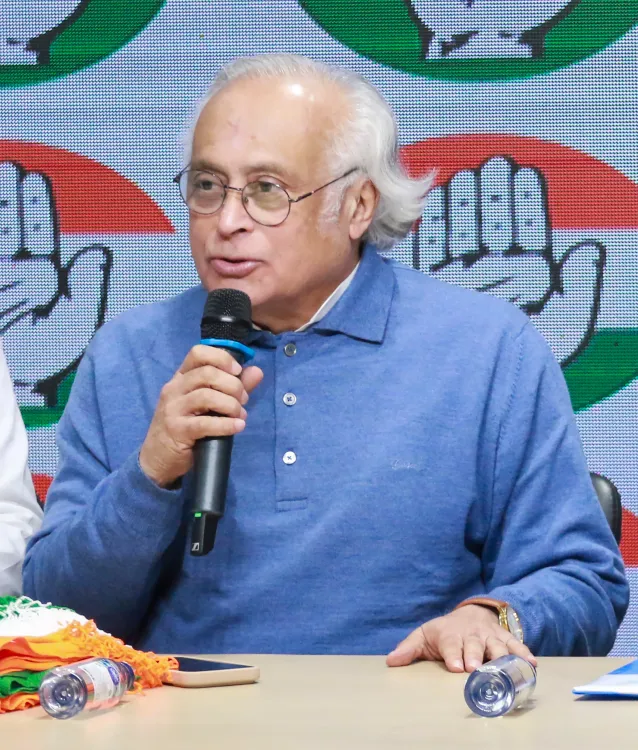
New Delhi, Feb 20 (NationPress) Senior Congress figure and former Union minister Jairam Ramesh has praised the US Supreme Court’s significant ruling that annulled a majority of the extensive tariffs enforced by President Donald Trump.
In a statement posted on his X handle, Ramesh expressed, “Kudos to the US Supreme Court for dismantling President Trump’s entire tariff framework! This is a remarkable ruling considering its ideological makeup. A 6-3 outcome is definitive.”
This ruling, which was announced on Friday, represents a substantial blow to Trump’s economic strategy.
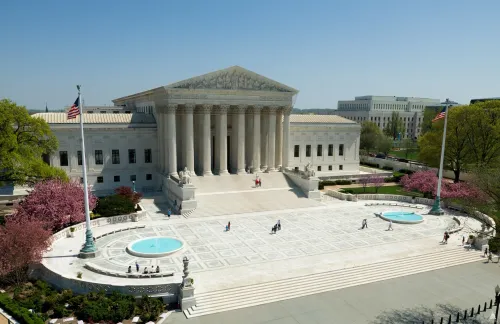
The court, led by conservative justices, took an unusual step by limiting the President's executive powers, ruling that he did not possess the authority under a 1977 emergency statute to enact broad import taxes on the United States' trading allies, including India.
Politico characterized the 6-3 ruling as “a significant rejection of a fundamental aspect of Trump’s economic plan.”
Chief Justice John Roberts, on behalf of the majority, emphasized the constitutional boundaries of presidential power. “The President claims extraordinary authority to unilaterally impose tariffs without limits on amount, duration, and scope. Given the extensive history and constitutional context of this claimed authority, he must demonstrate clear congressional sanction to execute it,” stated Roberts.
He further noted that the 1977 legislation Trump depended on “is inadequate” for the necessary congressional consent.
According to US media outlets, the justices determined that the President lacked the authority under the International Emergency Economic Powers Act (IEEPA) to implement such sweeping tariffs.
The Hill observed that the court “dismissed the majority of President Trump’s extensive tariffs on Friday, dismantling a key element of his economic strategy by ruling that his utilization of an emergency statute to reshape global trade was unlawful.”
The justices turned down Trump’s broadened interpretation of IEEPA, which allows Presidents to regulate imports in response to national emergencies presenting “unusual and extraordinary” risks.
Roberts clarified: “We have no special expertise in economic or foreign affairs matters. We merely assert, as we must, the limited role assigned to us by Article III of the Constitution. In fulfilling that role, we find that IEEPA does not grant the President the authority to impose tariffs.”
Point of View
It's crucial to observe that the Supreme Court's ruling reflects a check on executive power, reinforcing the need for congressional oversight in economic matters. This ruling is likely to reshape future trade policies and signifies a pivotal moment in US political history.
NationPress
30 Sept 2026
Frequently Asked Questions
What was the significance of the US Supreme Court ruling?
The ruling is significant because it overturned most of Trump's tariffs, limiting presidential authority under emergency laws.
Who praised the Supreme Court's decision?
Senior Congress leader Jairam Ramesh praised the decision, highlighting its importance.
What does this ruling mean for future tariffs?
This ruling may set a precedent that requires clearer congressional authorization for imposing tariffs.
How did the justices rule on Trump's tariff strategy?
The court ruled 6-3 against Trump's interpretation of the IEEPA, stating he lacked the necessary authority.
What implications does this have for US trade?
The ruling may lead to a reevaluation of trade policies and a shift in how tariffs are imposed in the future.