Conrad Sangma Meets Manipur CM in Imphal Over Northeast Concerns
Synopsis
Meghalaya Chief Minister Conrad Sangma met Manipur CM Yumnam Khemchand Singh in Imphal on 24 July 2026, discussing regional concerns. Sangma acknowledged the Manipur CM's assurance to work for the people's concerns, signalling continued inter-state engagement across the Northeast.
Key Takeaways
Conrad Sangma , Chief Minister of Meghalaya and NPP national president, met Manipur CM Yumnam Khemchand Singh in Imphal on 24 July 2026 .
The meeting focused on 'issues of concern' to the people, though specific agenda items were not publicly disclosed.
The Manipur CM gave an assurance to work towards addressing the concerns raised during the discussion.
The engagement was bilateral and direct, outside formal multilateral platforms like the North Eastern Council .
The NPP has been building inter-state political relationships across the Northeast, and this meeting reflects that broader pattern.
No joint statement or specific agreement was announced; follow-up action will determine the meeting's concrete outcomes.
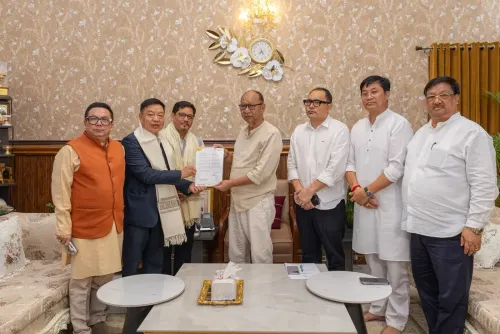
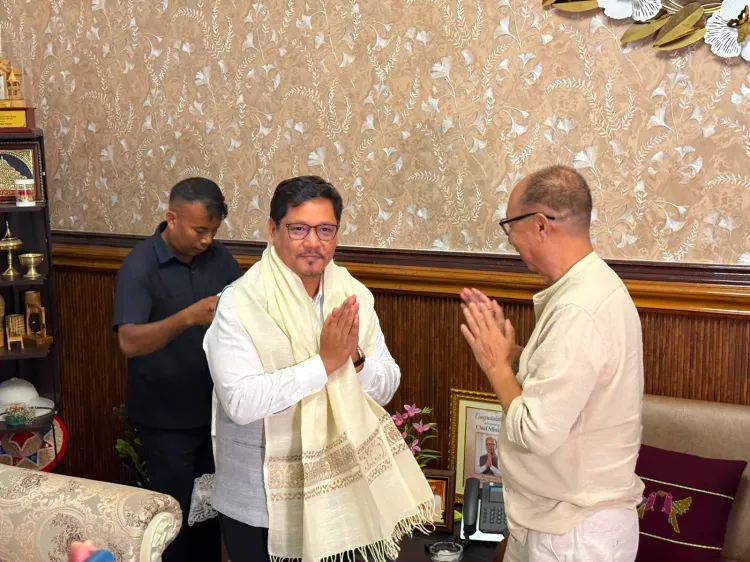
Meghalaya Chief Minister Conrad Sangma met with the Chief Minister of Manipur, Shri Yumnam Khemchand Singh, in Imphal on the evening of Friday, 24 July 2026, to discuss issues of concern to the people of the region. The bilateral meeting marks a direct engagement between the two northeastern state heads outside formal multilateral forums.
Context
Sangma, who also serves as national president of the National People's Party (NPP), shared news of the meeting on social media, noting he had 'the privilege to discuss issues of concern' with the Manipur Chief Minister. He thanked Yumnam Khemchand Singh for his 'kind consideration and assurance to work for the concerns of the people,' indicating that commitments were made during the discussion, though specific agenda items were not disclosed publicly.
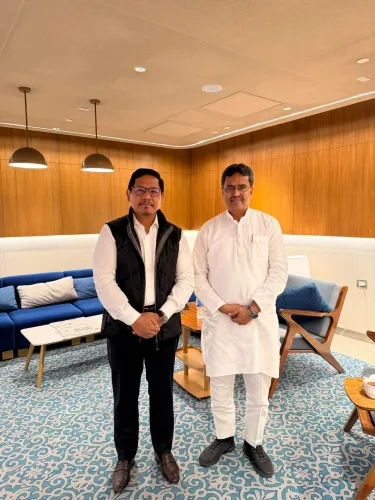
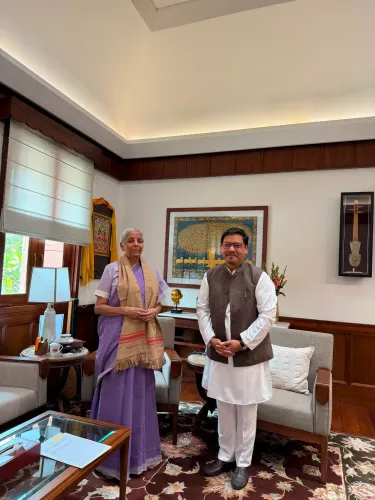
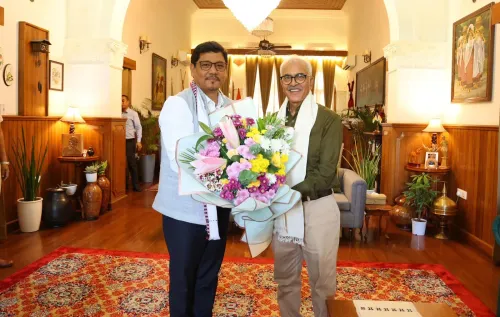
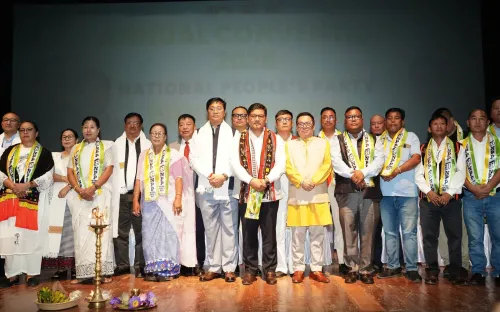
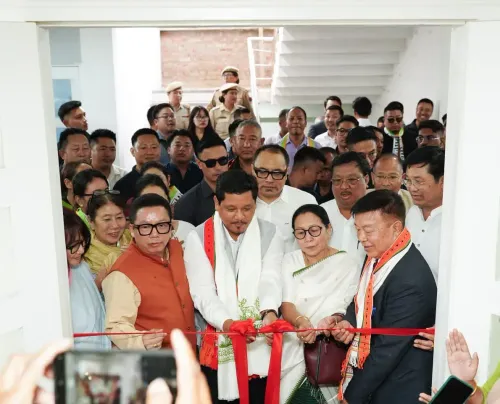
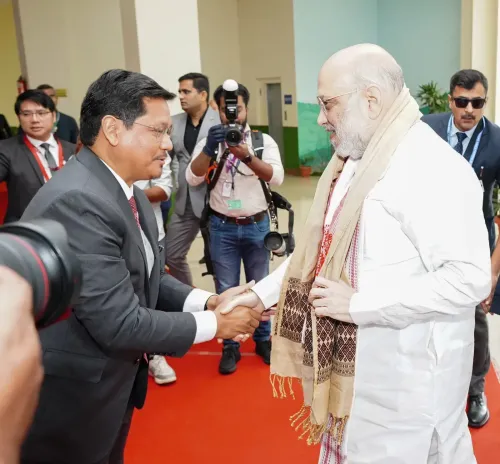
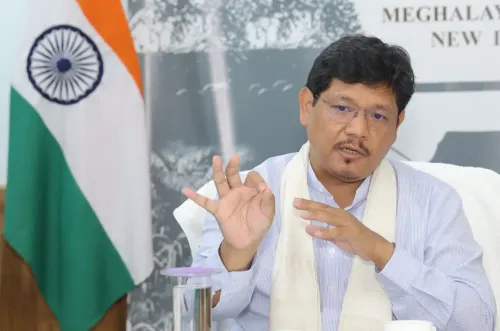
The meeting took place in Imphal, the capital of Manipur, suggesting the Meghalaya CM travelled to the neighbouring state for the engagement. The presence of four images shared alongside the post points to a formal, in-person sitting.
Policy Backdrop
Bilateral meetings between northeastern chief ministers have become a regular feature of regional governance, complementing formal structures such as the North Eastern Council (NEC), which was established in 1971 as the primary coordination forum for the eight northeastern states on development and security matters. Such direct interactions allow state governments to address localised cross-border concerns — including trade corridors, resource sharing, and security coordination — with greater speed and flexibility than multilateral platforms permit.
The NPP, under Sangma's leadership, has steadily expanded its footprint across the northeastern region, building political relationships with ruling dispensations in multiple states. These inter-state ties have increasingly served both a governance function and a coalition-building purpose, enabling the party to influence policy at the central level.
Stakeholders and Impact
Residents of both Meghalaya and Manipur stand to benefit if the assurances exchanged during the meeting translate into concrete action. Manipur has long grappled with ethnic tensions and security challenges, while border communities in both states share concerns around connectivity, trade, and access to resources.
The broader northeastern population, which relies heavily on inter-state cooperation for economic activity and infrastructure development, will be watching for any follow-up announcements. Civil society groups and local governance bodies in both states are among the key stakeholders who may be drawn into any subsequent consultations.
What's Next
No joint statement or specific agreement was announced publicly following the meeting. Any follow-up — whether a formal memorandum of understanding, a joint project announcement, or a coordinated representation to the central government — would signal the substantive outcome of the discussion. Observers of northeastern politics will track whether the assurances offered by the Manipur Chief Minister materialise into policy action in the weeks ahead.
Point of View
Bypassing slower multilateral mechanisms. For Conrad Sangma, who leads the NPP's pan-Northeast ambitions, such visits serve a dual purpose: addressing genuine governance concerns while consolidating political relationships across state lines. The public acknowledgement of 'assurances' — without specifics — is a calibrated signal to constituents in both states that their concerns are being heard at the highest level. The real test will be whether the meeting produces measurable policy outcomes or remains a gesture of goodwill.
NationPress
23 Oct 2026
Frequently Asked Questions
Why did Conrad Sangma visit Manipur CM Yumnam Khemchand Singh?
Conrad Sangma visited Manipur to discuss issues of concern to the people of the region and received an assurance from the Manipur CM to work towards addressing those concerns.
What issues were discussed between Meghalaya CM and Manipur CM?
The specific issues were not publicly disclosed, but the meeting was described as covering 'issues of concern' to the people, consistent with cross-border northeastern matters such as trade, connectivity, and security.
Where did the meeting between Conrad Sangma and Yumnam Khemchand Singh take place?
The meeting took place in Imphal , the capital of Manipur, on the evening of 24 July 2026 .
What is Conrad Sangma's role in Northeast India politics?
Conrad Sangma is the Chief Minister of Meghalaya and the national president of the National People's Party (NPP), a regional party with a growing presence across multiple northeastern states.
What is the North Eastern Council and how does it relate to this meeting?
The North Eastern Council, established in 1971, is the primary multilateral forum for coordination among the eight northeastern states. Bilateral meetings like this one complement the NEC by allowing faster, direct engagement on specific concerns.