COP31 ends without climate pact in Antalya, reports say
Synopsis
COP31 reportedly closed without an overarching climate pact after talks ran more than 48 hours over schedule. UN Secretary-General António Guterres expressed deep disappointment, while campaigners blamed divisions over fossil fuels and climate finance.
Key Takeaways
COP31 reportedly ended in Antalya, Turkey , without an overarching climate pact.
Nearly 200 nations failed to bridge divisions, with talks running more than 48 hours beyond their scheduled end.
António Guterres said he was “deeply disappointed” by the lack of consensus.
Simon Stiell said countries representing around half the global economy backed 35 per cent electrification by 2035 or sooner.
The source says COP32 is scheduled for 8 to 19 November 2027 in Addis Ababa, Ethiopia .
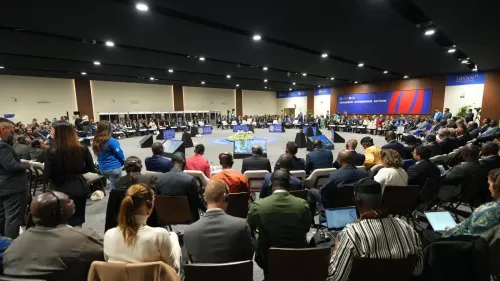
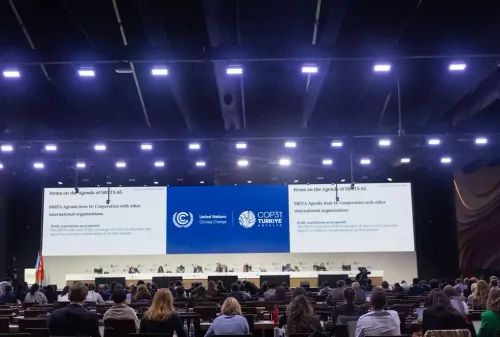
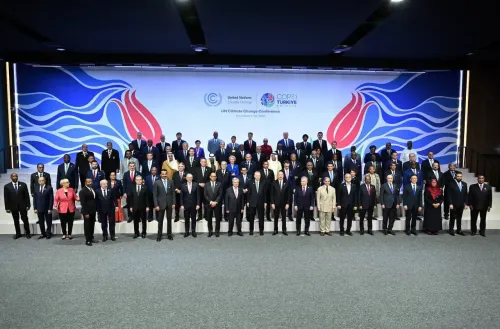
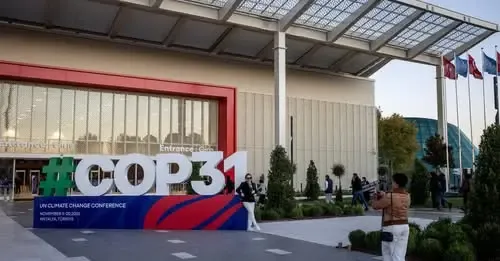
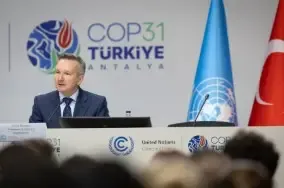
COP31 ended in Antalya, Turkey, without an overarching climate pact after nearly 200 nations failed to resolve differences over fossil fuels and climate finance, according to reports. The two-week conference reportedly ran more than 48 hours beyond its scheduled finish before closing on Sunday, 23 November.
Negotiators said governments had not reached a major agreement, even as discussions covered finance, adaptation, a just transition and the implementation of an earlier commitment to move away from fossil fuels. The reported outcome would be the first failure to secure a final climate pact at a UN climate conference since 2009.
Divisions over finance and fossil fuels
The conference, held under the joint presidency of Turkey and Australia, brought governments together to negotiate their response to climate change. According to an observer, they could not agree on how to deliver climate finance, support adaptation or turn the fossil-fuel transition commitment into action.
Harjeet Singh, Global Convenor of the Fill the Fund campaign, argued that merely referring back to the COP28 outcome on fossil fuels was insufficient. He said a transition plan should be fair, rapid and funded, with wealthy countries moving first and developing countries receiving support.
Singh also alleged that rich countries had pushed for the removal of figures from a finance text and the word 'debt' from a finance decision. Those claims concern the content of the negotiations and could not be independently assessed from the information provided.
Guterres warns of a narrowing window
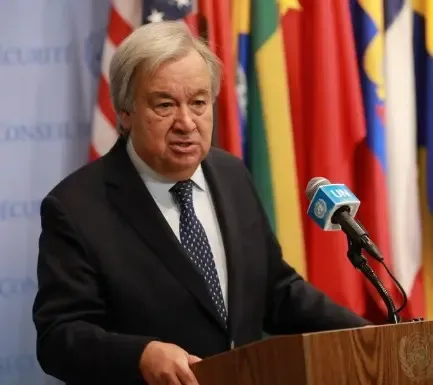
UN Secretary-General António Guterres said he was “deeply disappointed” that the conference ended without consensus on an overarching outcome. He warned that the absence of agreement did not alter the scientific realities of rising temperatures, intensifying climate extremes and high emissions.
“The world is now poised to exceed the globally agreed limit of a 1.5-degree temperature rise. The window to keep that overshoot as short and shallow as possible is rapidly closing,” Guterres said.
His warning placed the reported negotiating setback alongside the challenge of limiting warming. Climate finance and adaptation are particularly consequential for countries seeking resources to respond to worsening impacts, while the pace and funding of the fossil-fuel transition remain contested issues.
Campaigners criticise negotiating positions
Mohamed Adow, Director of Power Shift Africa, called the outcome a wake-up call and blamed countries he said were blocking progress on finance. He contrasted the reported impasse with the 2023 agreement to transition away from fossil fuels and a 2025 promise to triple adaptation finance.
Chiara Martinelli, Director at Climate Action Network Europe, criticised governments for failing to provide a credible path away from fossil fuels or finance for vulnerable communities. She also attributed responsibility to the European Union and other wealthy countries and petro-states, arguing that the EU had taken a hard line on climate finance.
Decisions and the road to COP32
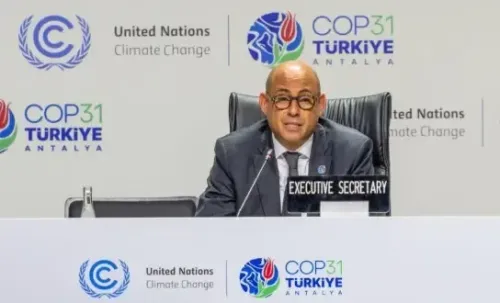
UN Climate Change Executive Secretary Simon Stiell said key negotiating decisions had been made, including on a just transition, despite the absence of an overarching outcome. He said fairness and inclusion were essential to the climate response.
Stiell also said countries representing around half the global economy had backed 35 per cent electrification by 2035 or sooner. He described that as a market signal that could reduce emissions and fossil-fuel costs.
Attention now turns to COP32, which the source says is scheduled for 8 to 19 November 2027 in Addis Ababa, Ethiopia, where governments will face the unresolved questions of finance and the fossil-fuel transition.
Point of View
The credibility of any transition depends not just on ambition but on accessible finance and a fair allocation of responsibility. Governments should make their negotiating positions and the financial terms of future proposals transparent, so progress can be judged against delivery rather than declarations.
NationPress
23 Nov 2026
Frequently Asked Questions
What happened at COP31 in Antalya?
COP31 reportedly ended without an overarching climate pact after nearly 200 nations failed to resolve their differences. The talks ran more than 48 hours past their scheduled end.
Why did COP31 fail to produce a climate pact?
Negotiators reportedly could not bridge divisions over fossil fuels and climate finance. Adaptation and a just transition were also among the unresolved issues.
What did António Guterres say about COP31?
UN Secretary-General António Guterres said he was deeply disappointed by the lack of consensus. He warned that the window to keep a 1.5-degree temperature overshoot short and shallow was rapidly closing.
Were any decisions made at COP31?
UN climate chief Simon Stiell said key negotiating decisions were made, including on a just transition. He also cited support from countries representing around half the global economy for 35 per cent electrification by 2035 or sooner.
When and where is COP32 scheduled?
The source says COP32 is scheduled for 8 to 19 November 2027 in Addis Ababa, Ethiopia.