Culture Minister Shekhawat hails women reservation Cabinet step
Synopsis
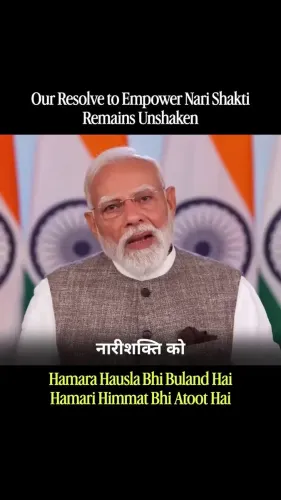
Union Culture and Tourism Minister Gajendra Singh Shekhawat on 28 November 2026 welcomed a Union Cabinet decision towards implementing women's reservation, calling it a revolutionary step for half the population. The 2023 Nari Shakti Vandan Adhiniyam reserves one-third of Lok Sabha and assembly seats, but takes effect only after a census and delimitation.
Key Takeaways
Union Culture and Tourism Minister Gajendra Singh Shekhawat on 28 November 2026 welcomed a Union Cabinet decision towards implementing women's reservation.
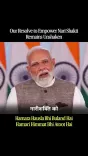
He called the step revolutionary and said it would give real participation to half the population under Prime Minister Narendra Modi's leadership.
The Nari Shakti Vandan Adhiniyam, passed in September 2023, reserves one-third of seats for women in the Lok Sabha and state assemblies.
The Women's Reservation Bill was first introduced in September 1996; a Rajya Sabha-passed version lapsed after March 2010.
Actual seat reservations still require a fresh census followed by delimitation of constituencies.
Shekhawat's post was tagged #DelimitationBill and #WomenReservation and did not spell out operational details of the Cabinet action.
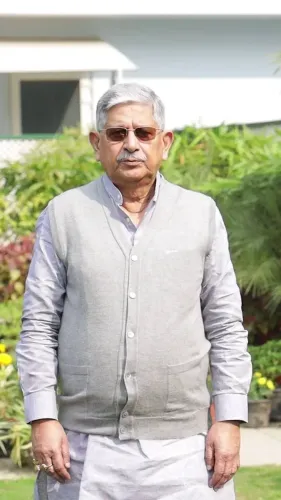
Half of India has waited decades for a locked-in share of the legislature, and Union Culture and Tourism Minister Gajendra Singh Shekhawat on 28 November 2026 said that wait is being pushed from law towards implementation after what he described as a Union Cabinet decision in New Delhi under Prime Minister Narendra Modi. The Jodhpur MP called the step revolutionary and said it would give women equal opportunity, states equal participation, and democracy a more inclusive form.
Writing in Hindi, Shekhawat termed the Cabinet action towards implementing women's reservation अत्यंत स्वागतयोग्य एवं अभिनंदनीय (highly welcome and commendable). He said it would secure वास्तविक भागीदारी (real participation) for the country's आधी आबादी (half the population) and add a new chapter to the building of a developed India. The post carried the tags #DelimitationBill and #WomenReservation.
A 1996 Bill, a 2010 lapse, a 2023 law
The Women's Reservation Bill first reached the Lok Sabha in September 1996. The Rajya Sabha passed a version in March 2010, then the measure lapsed before it could become law. That long stall ended in September 2023, when Parliament passed the Constitution (One Hundred and Twenty-Eighth Amendment) Bill, enacted as the Nari Shakti Vandan Adhiniyam.
The 2023 law reserves one-third of seats for women in the Lok Sabha and in state assemblies. It is the statutory backbone of the participation Shekhawat is now celebrating. It does not, by itself, redraw a single constituency.
Census first, then the map, then the quota
Implementation remains chained to a constitutional sequence: a fresh census, then delimitation of constituencies, then reserved contests. That is why the delimitation tag on the minister's post matters more than the applause. Until seats are redrawn, the one-third quota cannot be applied at the ballot box.
Women candidates and state assemblies are the groups that will feel that redraw most directly — a large new cohort of women legislators, and a scramble to recast tickets. Shekhawat did not spell out operational details of the Cabinet action he welcomed.
The live question is no longer whether Parliament has legislated the quota. It is when the next national census is held, and how fast the subsequent delimitation exercise follows. Until that map is drawn, one-third of the House remains a constitutional promise, not yet a fact on the ballot.
Point of View
The real bottleneck left after the 2023 amendment. By crediting a Cabinet step under the Prime Minister, he presents implementation as executive delivery rather than unfinished legislative business. The political audience is women voters and state party machines that will have to recast tickets once seats are redrawn. The next census calendar, not another debate in Parliament, is now the variable that will decide when one-third of the House is actually reserved.
NationPress
28 Nov 2026
Frequently Asked Questions
What did Gajendra Singh Shekhawat say about women's reservation?
On 28 November 2026 he welcomed a Union Cabinet decision towards implementing women's reservation, calling it a revolutionary step to give half the population real participation in democracy. He said the move would give women equal opportunity, states equal participation, and democracy a more inclusive form.
What is the Nari Shakti Vandan Adhiniyam?
It is the 2023 constitutional amendment that reserves one-third of seats for women in the Lok Sabha and in state assemblies. Parliament passed it in September 2023 as the Constitution (One Hundred and Twenty-Eighth Amendment) Bill.
When will women's reservation be implemented in the Lok Sabha?
It takes effect only after a fresh census and a subsequent delimitation of constituencies. The 2023 law created the quota, but reserved contests cannot be held until seats are redrawn.
Why is delimitation linked to women's reservation?
The 2023 amendment ties the one-third women's quota to a new delimitation exercise that follows a census. Without redrawn constituencies, the reserved seats cannot be applied at an election.
Who is Gajendra Singh Shekhawat?
He is the Union Minister of Culture and Tourism and a BJP Lok Sabha MP from Jodhpur, Rajasthan. On 28 November 2026 he publicly welcomed the Cabinet's reported step towards implementing women's reservation.