Culture Minister Shekhawat: Women's reservation cannot be blocked
Synopsis
Culture Minister Gajendra Singh Shekhawat says giving women their due in Parliament reflects PM Narendra Modi's commitment, and that opponents of reservation cannot block Nari Shakti much longer. The 2023 law still depends on census and delimitation before 33 percent of seats can be reserved.
Key Takeaways
Union Culture and Tourism Minister Gajendra Singh Shekhawat on 28 November 2026 said opponents cannot long obstruct women's reservation.
He described adequate representation of Nari Shakti in decision-making as a reflection of Prime Minister Narendra Modi's firm commitment.
The Nari Shakti Vandan Adhiniyam of September 2023 reserves 33 percent of Lok Sabha and assembly seats for women.
The quota takes effect only after a census and delimitation of constituencies.
The 84th Constitutional Amendment froze delimitation until after the first census conducted after 2026.
One-third reservation for women in panchayats and municipalities has been in force since the 73rd and 74th Amendments of 1992-93.
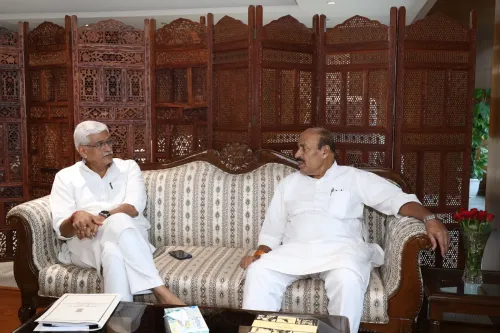
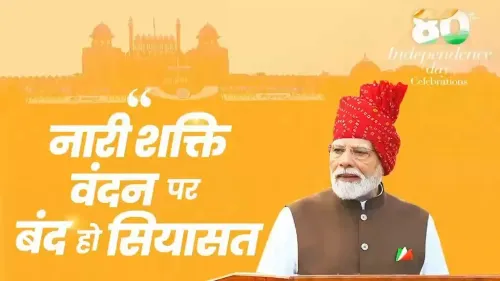
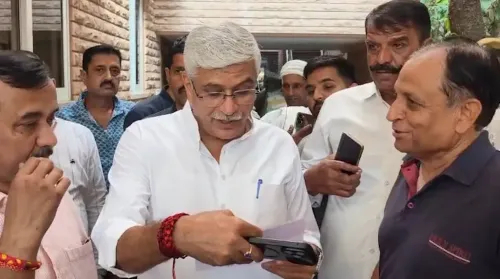
Union Culture and Tourism Minister Gajendra Singh Shekhawat on 28 November 2026 cast women's place in Parliament and the state assemblies as unfinished democratic business, tying it to Prime Minister Narendra Modi's commitment and drawing a hard line against those still resisting reservation. His charge was direct. Political forces opposing women's reservation, he said, cannot obstruct Nari Shakti's just aspiration much longer.
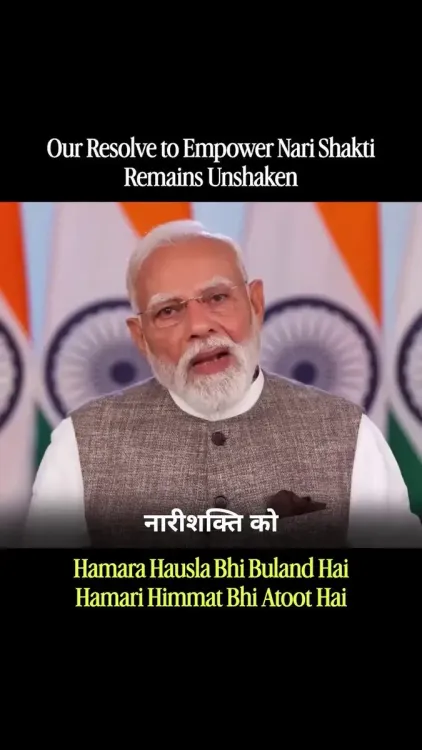
Writing in Hindi and tagging DelimitationBill and WomenReservation, Shekhawat argued that securing Nari Shakti its rights and adequate representation in decision-making reflects the Prime Minister's firm resolve. He wrote that even those political forces opposing women's reservation नारीशक्ति की इस न्यायोचित आकांक्षा को अधिक समय तक बाधित नहीं कर सकतीं (cannot obstruct this just aspiration of Nari Shakti for much longer). Adequate participation of women in Parliament and the Vidhan Sabhas, he added, is an essential requirement of a strong and inclusive democracy.
Shekhawat's warning to those blocking the quota
The minister did not name parties. He did not need to. For three decades, women's reservation at the national level has been a principle almost every major party has endorsed and a timetable almost none have settled. Shekhawat's post recasts remaining resistance as an attempt to delay a just claim rather than a dispute over design.
That framing matters because the legal fight, on paper, is already over. Parliament in September 2023 passed the Nari Shakti Vandan Adhiniyam, a constitutional amendment reserving 33 percent of seats for women in the Lok Sabha and state legislative assemblies. Implementation, however, was expressly tied to a fresh census and a full delimitation of constituencies. Until those maps exist, the quota does not bite.
Why 33 percent still waits on new constituency maps
The 84th Constitutional Amendment froze the redrawing of parliamentary and assembly seats until after the first census conducted after 2026. The 2023 women's reservation law was written on top of that freeze. No new reserved seats can be notified until a delimitation commission finishes work on post-census boundaries.
That is the hinge Shekhawat pointed to with the delimitation hashtag. Census operations and the commission that follows will decide when reserved seats become operational. Any later debate on sub-quotas for SC, ST or OBC women would sit on the same timeline.
From panchayat one-third to a stalled national Bill
India has not lacked local precedent. The 73rd and 74th Constitutional Amendments of 1992-93 introduced one-third reservation for women in panchayats and municipalities, and that floor has since become political fact in village after village. The leap to Parliament proved harder. The Rajya Sabha passed a women's reservation bill in 2010; it lapsed without Lok Sabha approval.
Successive governments advanced the local quota while national legislation slipped through cycles of consensus and collapse. Parties across the spectrum have backed the idea in principle and split on timing, on sub-quotas, and on whether reservation should wait for delimitation. The 2023 Act chose the last of those paths. Shekhawat's intervention treats further delay as politically unsustainable.
The Constitution already carries the 33 percent. The electoral map does not. That gap is now the contest, and the Culture Minister has put a public clock on those still standing in the way.
Point of View
Not a restatement of principle. The 2023 amendment already wrote 33 percent into the Constitution; what remains is the census-plus-delimitation sequence that determines when those seats appear on the map. By pairing Nari Shakti with a delimitation hashtag and calling leftover resistance obstruction, the minister is trying to make delay politically costlier for parties that support the quota in theory but hedge on when and how it arrives. Watch the next census and the delimitation commission: that is where the reservation promise will either become a roll of members or remain a clause.
NationPress
28 Nov 2026
Frequently Asked Questions
What did Gajendra Singh Shekhawat say about women's reservation?
He said ensuring Nari Shakti its rights and adequate representation in decision-making reflects Prime Minister Narendra Modi's firm commitment, and that political forces opposing women's reservation cannot obstruct this just aspiration much longer. He added that women's participation in Parliament and state assemblies is essential for a strong and inclusive democracy.
What is the Nari Shakti Vandan Adhiniyam?
It is the constitutional amendment Parliament passed in September 2023 to reserve 33 percent of seats for women in the Lok Sabha and state legislative assemblies. The law ties actual implementation to completion of a census and a delimitation exercise.
Why is women's reservation linked to delimitation in India?
The 2023 amendment states that reserved seats will be notified only after constituencies are redrawn on the basis of a fresh census. The 84th Constitutional Amendment had already frozen delimitation until after the first census conducted after 2026, so the two processes now sit on the same clock.
Did India already reserve seats for women at the local level?
Yes. The 73rd and 74th Constitutional Amendments of 1992-93 introduced one-third reservation for women in panchayats and municipalities. National-level reservation in the Lok Sabha and Vidhan Sabhas took far longer and was enacted only in 2023.
When was an earlier women's reservation bill passed by the Rajya Sabha?
The Rajya Sabha passed a women's reservation bill in 2010, but it lapsed without approval in the Lok Sabha. A fresh constitutional amendment was enacted in September 2023.