Cyclone Akvan: Odisha suspends beach tourism, tightens road safety till Nov 20
Synopsis
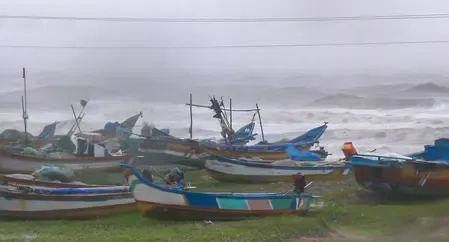
Cyclone Akvan has forced Odisha to shut down beach tourism entirely and push emergency transport safety orders across coastal highways — a full-scale mobilisation that kicks in before the storm makes landfall, underscoring the state's hard-won disaster-management playbook built over two decades of cyclone experience.
Key Takeaways
The SRC, Odisha issued emergency directives to Tourism and Transport departments on 18 November 2026 due to Cyclonic Storm Akvan .
All beach tourism — including sea bathing, boating, water sports, and pleasure cruises — is completely suspended at vulnerable beaches.
Hotels, resorts, and tour operators in coastal areas must alert guests and cancel outdoor programmes immediately.
Night patrolling on flood-prone and poorly lit stretches of National and State Highways has been intensified with reflective warning signages.
Restrictions remain in force until the IMD withdraws its warning; rough weather is forecast along the coast until 20 November .
Nodal officers have been appointed for round-the-clock coordination with the SEOC and district control rooms.
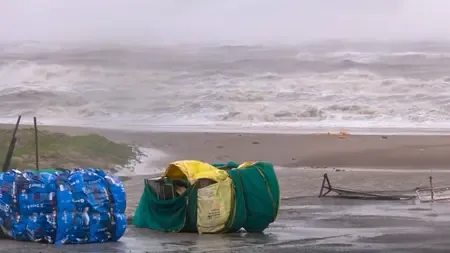
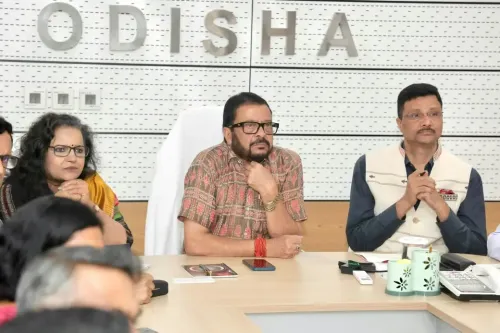
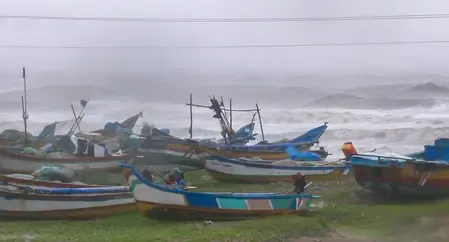
The Office of the Special Relief Commissioner (SRC), Odisha, on Wednesday, 18 November 2026, issued formal directives to the state's Tourism and Commerce & Transport departments, ordering immediate safety measures for tourists, transport staff, and the general public ahead of Cyclonic Storm Akvan over the Bay of Bengal. The India Meteorological Department (IMD) has warned that coastal Odisha will face rough seas, strong winds, heavy rainfall, and waterlogging until 20 November.
Beach Tourism Completely Suspended
The SRC has ordered an outright halt to all beach tourism activities at vulnerable coastal sites. 'Beach tourism at vulnerable beaches — including sea bathing, boating, water sports, pleasure cruises, and other marine tourism activities — shall remain completely suspended until the situation returns to normal,' the SRC letter to the Commissioner-cum-Secretary, Tourism Department, stated.
Public entry to unsafe beaches, jetties, coastal viewing points, and other vulnerable tourist spots has been restricted. Tourism officials have been instructed to erect barricades and display warning signboards at high-risk locations.
Hotels and Tour Operators Put on Alert
All hotels, resorts, and tour operators in coastal areas have been directed to immediately alert guests about the cyclone's potential impact and cancel outdoor excursion programmes. They are also required to follow evacuation and shelter protocols and maintain emergency contact numbers and essential supply stocks.
Tourism authorities have been asked to issue safety advisories in multiple languages and coordinate closely with District Emergency Operation Centres (DEOC) and the State Emergency Operation Centre (SEOC).
Night Patrolling and Transport Safety Measures
In a parallel directive, the SRC asked the Principal Secretary, Commerce & Transport department, to implement emergency measures for the safe movement of passenger and goods vehicles, particularly during nighttime when reduced coastal visibility poses heightened accident risk.
'Night patrolling shall be intensified in low-lying, flood-prone, accident-prone, and poorly lit stretches of National and State Highways, and an adequate number of reflective signages (warning boards) shall be installed,' the directive stated. Authorities have also been asked to regulate speed, divert traffic, or temporarily suspend vehicular movement on vulnerable roads during heavy rain and strong winds, in consultation with the district administration and police.
Real-Time Updates and Coordination Mandated
Transport officials must provide regular updates on weather conditions, vulnerable roads, alternative routes, and traffic restrictions through digital display boards, bus owners' associations, and other communication channels. Drivers are to receive updated weather and road information at toll plazas, bus terminals, check gates, and major transport hubs.
Nodal officers have been appointed to report disruptions promptly, with round-the-clock coordination required with the SEOC and district control rooms. All departments must submit an Action-Taken Report. The restrictions will remain in force until the IMD withdraws its warning and the district administration formally declares the situation safe.
When Restrictions Will Be Lifted
The SRC has not specified a fixed end date beyond the current 20 November rough-weather outlook, leaving the timeline contingent on official IMD bulletins. This response follows a well-established Odisha protocol that has drawn national attention for its proactive disaster management model — the state has significantly cut cyclone fatalities over the past two decades through early and structured mobilisation.
Point of View
Transport, and emergency coordination in a single sweep — reflects the institutional muscle the state has built since Super Cyclone 1999 killed nearly 10,000 people. The real measure here is execution at the district level: whether barricades actually go up, whether hotel advisories reach foreign tourists in multiple languages, and whether night patrols are staffed. Cyclone preparedness in Odisha has become a model others cite, but the gap between SRC circulars and ground-level compliance remains the persistent weak link. The absence of a confirmed landfall track in the public directive also raises a question: how will the public know when restrictions are truly lifted, and who bears accountability if they are not?
NationPress
18 Nov 2026
Frequently Asked Questions
What is Cyclone Akvan and where is it currently?
Cyclone Akvan is a cyclonic storm currently positioned over the Bay of Bengal. The India Meteorological Department has issued a warning for Odisha's coastal areas, projecting rough seas, strong winds, heavy rainfall, and waterlogging until 20 November 2026.
Which activities are banned due to Cyclone Akvan in Odisha?
All beach tourism activities have been completely suspended at vulnerable beaches in Odisha. This includes sea bathing, boating, water sports, pleasure cruises, and other marine tourism activities, with public entry to jetties and coastal viewing points also restricted.
What must hotels and tour operators in coastal Odisha do?
Hotels, resorts, and tour operators in coastal areas have been directed to alert guests about the cyclone's potential impact and cancel outdoor excursion programmes. They must also follow evacuation and shelter protocols and keep emergency contact numbers and essential supplies ready.
What road safety measures have been ordered during Cyclone Akvan?
Night patrolling has been intensified on flood-prone and poorly lit stretches of National and State Highways. Authorities must install reflective warning boards, regulate speed, and may divert or temporarily suspend traffic on vulnerable roads during heavy rain and strong winds.
When will Cyclone Akvan restrictions in Odisha be lifted?
The restrictions will remain in force until the IMD withdraws its cyclone warning and the district administration formally declares the situation safe. The current rough-weather forecast extends through 20 November 2026, but the final call rests with official bulletins.