Dehradun on Dengue Alert as Monsoon Season Peaks
Synopsis
Dehradun's district administration and Uttarakhand's health department have gone on full dengue alert as monsoon rains peak. The Chief Minister's Office confirmed the coordinated preparedness drive on 31 July 2026, in line with India's long-standing seasonal vector-control framework.
Key Takeaways
Dehradun district administration and the Uttarakhand Health Department are on full alert mode against dengue as of 31 July 2026 .
The Chief Minister's Office of Uttarakhand publicly flagged the preparedness drive, signalling high-level coordination.
Dengue risk rises sharply during monsoon as Aedes mosquitoes breed in stagnant rainwater in urban areas.
India's National Vector Borne Disease Control Programme , active since 2003-04 , provides the national framework guiding state-level dengue response.
Residents are urged to eliminate standing water, use repellents, and seek medical attention for fever with joint pain or rash.
With monsoon rains turning every stagnant puddle into a potential breeding ground, Dehradun's district administration and health department have moved to full alert mode against dengue — a seasonal battle that plays out across India every July and August, but one that demands early action to contain.
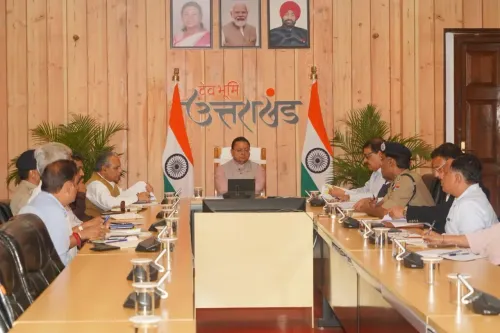
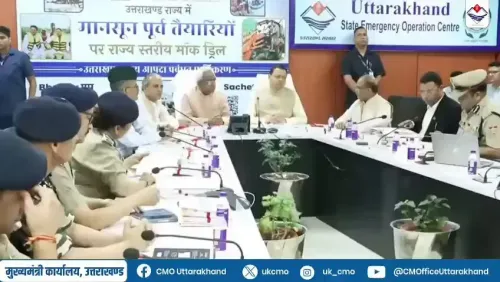
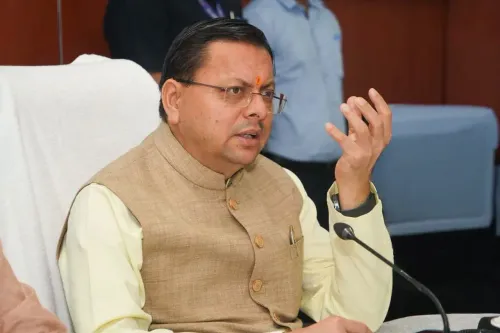
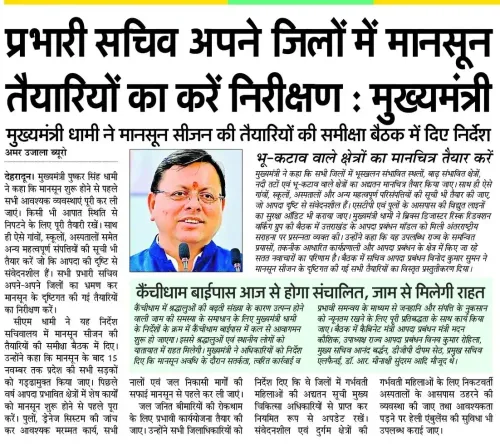
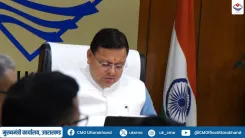
The Chief Minister's Office of Uttarakhand flagged the preparedness drive on 31 July 2026, signalling that both the district administration and the state health department are coordinating a proactive response to the monsoon dengue threat in Dehradun, the state capital.
Why Monsoon and Dengue Are Inseparable in Indian Cities
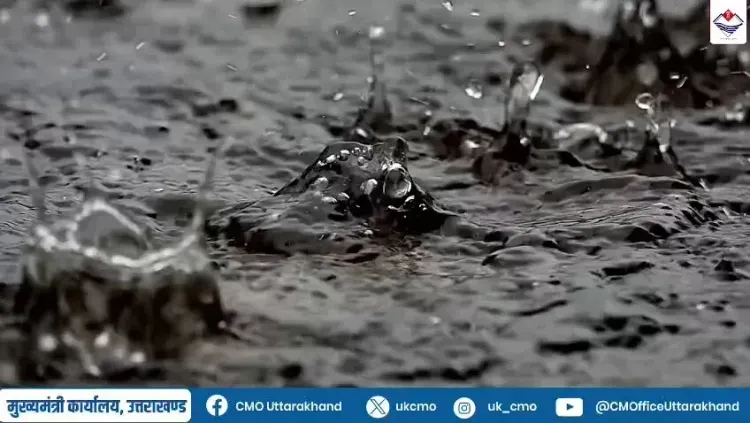
Dengue is transmitted by the Aedes mosquito, which breeds in clean, stagnant water — exactly what accumulates in urban areas during heavy rainfall. Dehradun, a hilly city with dense residential pockets, is particularly susceptible once the monsoon sets in. Across India, state health departments have tracked this seasonal spike for over a decade under the National Vector Borne Disease Control Programme (NVBDCP), the central government's framework for dengue, malaria, and other vector-borne diseases operational since 2003-04.
What 'Alert Mode' Means on the Ground
An alert-mode declaration typically mobilises district health teams for intensified surveillance, source-reduction drives — clearing waterlogged containers, drains, and construction sites — and public awareness campaigns. Residents of Dehradun can expect increased fogging operations and community outreach in the coming weeks. The health department's coordination with the district administration is critical because vector control requires both civic infrastructure (drainage, sanitation) and medical readiness (hospital beds, rapid diagnostic kits).
India's monsoon dengue alerts are not new, but the speed and scale of the response often determine whether a season stays manageable or tips into an outbreak. Uttarakhand has followed the NVBDCP's seasonal preparedness calendar for more than a decade — this activation is part of that established pattern, now publicly confirmed at the highest administrative level.
Residents should eliminate standing water at home, use mosquito repellents, and report fever with joint pain or rash to the nearest health facility without delay. The next few weeks of peak monsoon will be the real test of how well the alert translates into action on Dehradun's streets.
Point of View
Not after. Uttarakhand has historically been reactive on vector-borne disease; a pre-monsoon public alert changes that optics. The activation also fits a broader national push under the NVBDCP to shift from outbreak response to seasonal preparedness, a shift that requires political will alongside administrative machinery. Whether Dehradun's alert translates into measurable ground action — fogging coverage, case-detection rates — will be the real metric to watch.
NationPress
31 Jul 2026
Frequently Asked Questions
Why is Dehradun on dengue alert in July 2026?
Dehradun's district administration and health department activated a dengue alert because monsoon rains create stagnant water where Aedes mosquitoes breed, sharply raising dengue transmission risk. The Chief Minister's Office of Uttarakhand confirmed the alert on 31 July 2026.
What is the National Vector Borne Disease Control Programme?
The National Vector Borne Disease Control Programme (NVBDCP) is a central government scheme operational since 2003-04 that guides states in preventing and controlling dengue, malaria, and other vector-borne diseases through surveillance, source reduction, and treatment protocols.
What steps should Dehradun residents take to prevent dengue?
Residents should remove or cover any containers that collect standing water, use mosquito repellents and nets, wear full-sleeved clothing, and report fever accompanied by joint pain, headache, or rash to a health facility immediately.
Is dengue common in Uttarakhand during monsoon?
Yes. Like most Indian states, Uttarakhand sees a seasonal spike in dengue cases during the monsoon months of July to September. The state has followed the NVBDCP's annual preparedness calendar for over a decade to manage this recurring challenge.
What does 'alert mode' mean for Dehradun's health department?
'Alert mode' typically involves intensified mosquito surveillance, fogging and source-reduction drives, hospital readiness with adequate beds and diagnostic kits, and public awareness campaigns — all coordinated between the district administration and health teams.