Delhi CM Rekha Gupta honours sanitation workers at Swachhata Hi Seva 2026
Synopsis
At the Swachhata Hi Seva 2026 event in New Delhi, Delhi CM Rekha Gupta called for genuine social solidarity with sanitation workers — not just ceremonial respect — while Mayor Parvesh Wahi revealed that Delhi's ₹5 lakh health top-up brings total coverage for unorganised-sector workers to ₹10 lakh, one of the highest in any Indian city.
Key Takeaways
Delhi CM Rekha Gupta and Mayor Parvesh Wahi addressed sanitation workers at Swachhata Hi Seva 2026 on 30 September in New Delhi .
The event was organised by the Union Ministry of Social Justice and Empowerment .
The Ayushman Scheme provides free medical treatment of up to ₹5 lakh for unorganised-sector workers, including sanitation staff.
The Delhi government has added a ₹5 lakh top-up, taking total health coverage to ₹10 lakh per worker.
CM Gupta called for greater social respect and solidarity with Swachhata Mitras , citing the physical demands of their daily work.
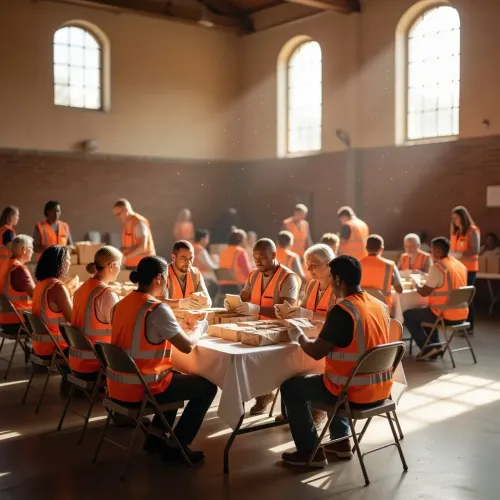
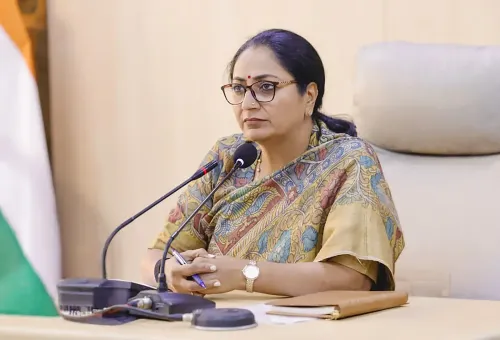
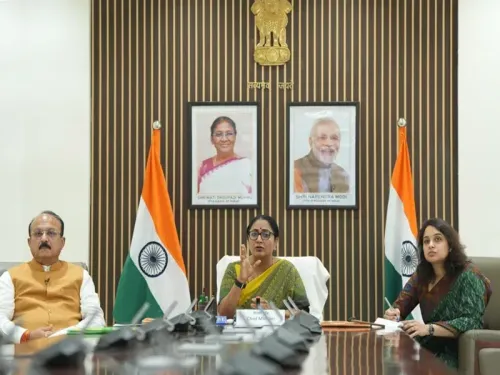
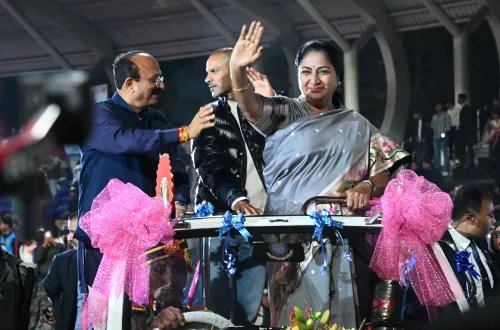
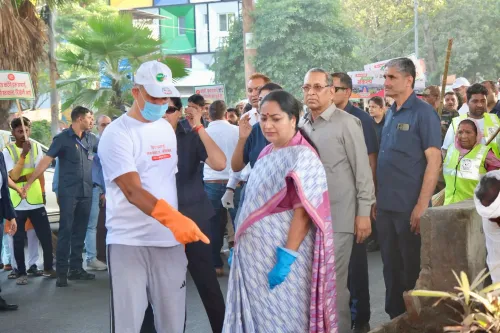
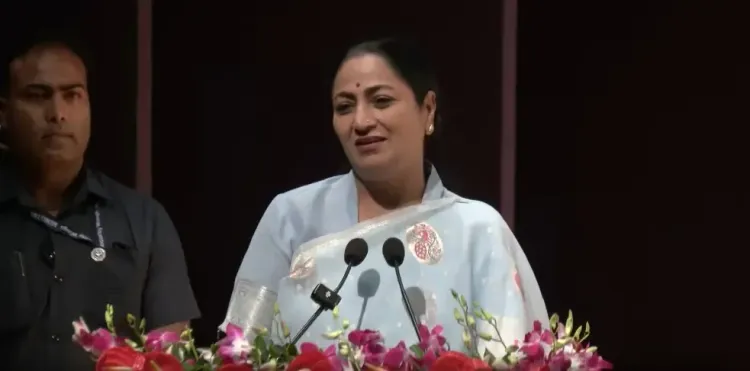
Delhi Chief Minister Rekha Gupta and Mayor Parvesh Wahi on Wednesday, 30 September joined sanitation workers and officials at the 'Swachhata Hi Seva 2026' event in New Delhi, organised by the Union Ministry of Social Justice and Empowerment. The gathering brought together a large number of sanitation workers — including a significant proportion of women — to recognise their daily contributions to public cleanliness.
CM Gupta's Address to Sanitation Workers
Addressing the gathering, Chief Minister Rekha Gupta said it was a matter of personal pride to meet the sanitation workforce, whom she referred to as 'Swachhata Mitras'. She called for deeper social solidarity with the community, acknowledging that their work ranks lowest on most people's list of preferred livelihoods.
'It is truly time to become friends with these Swachhata Mitras, understand their pain and stand shoulder to shoulder with them. The work they do is something that would be the last priority for most people in society,' she said.
Gupta drew on her own experience during cleanliness drives to underscore the physical demands of the profession. 'When we took brooms during the Swachhata Abhiyan, we experienced pain in our hands after just 10 minutes. But they do this work every day,' she noted. She argued that years of advocacy by sanitation workers for better rights and recognition had gone unheeded until recent years, attributing a shift in attitude to the current central government's focus on the sector.
Mayor Highlights Health Coverage for Workers
Mayor Parvesh Wahi used the occasion to spotlight welfare measures rolled out for sanitation workers. He pointed to the Ayushman Scheme, which provides free medical treatment of up to ₹5 lakh to workers in the unorganised sector.
'Our Prime Minister's vision is continuously bringing new schemes for sanitation workers. I feel very proud that, under his vision, the Ayushman Scheme provides free treatment of up to Rs 5 lakh to our brothers and sisters in the unorganised sector,' Wahi said.
He added that the Delhi government had layered an additional top-up of ₹5 lakh over the central scheme, bringing the total health coverage available to eligible workers to ₹10 lakh. This combined coverage, he said, was already benefiting sanitation workers across the city.
Broader Context: Recognition and Welfare of Sanitation Workers
The Swachhata Hi Seva campaign, run annually under the aegis of the central government, aims to deepen public awareness around cleanliness and the dignity of sanitation labour. This year's edition placed particular emphasis on the welfare and social inclusion of frontline sanitation staff — a community that has historically faced stigma and inadequate institutional support.
Notably, the event comes at a time when urban local bodies across India are under pressure to formalise employment conditions, provide protective gear, and extend social security to sanitation workers, many of whom remain in contractual or informal arrangements. Advocates for the community have long argued that ceremonial recognition must be backed by structural reforms, including regularisation of employment and access to grievance redressal.
What Comes Next
No new scheme announcements were made at the event beyond the reiteration of existing health coverage. Civil society groups working with sanitation workers are expected to continue pushing for formal employment status and expanded occupational health protections. The Delhi government's additional ₹5 lakh health top-up, if sustained and expanded, could serve as a model for other state governments seeking to supplement central welfare schemes for unorganised sector workers.
Point of View
But a large share of Delhi's sanitation workforce remains in contractual or informal employment, which can complicate access to scheme benefits. Regularisation of employment status and enforceable occupational health standards would do more for Swachhata Mitras than any single event. The political framing at such gatherings also tends to attribute all progress to the incumbent government, which risks obscuring the decades of grassroots organising by sanitation worker unions that created the pressure for reform in the first place.
NationPress
30 Sept 2026
Frequently Asked Questions
What is the Swachhata Hi Seva 2026 event?
Swachhata Hi Seva 2026 is an annual cleanliness and sanitation awareness campaign organised by the Union Ministry of Social Justice and Empowerment. The 30 September edition in New Delhi brought together sanitation workers, Delhi CM Rekha Gupta, Mayor Parvesh Wahi, and other officials to recognise the contributions of frontline sanitation staff.
What health benefits are available to Delhi's sanitation workers?
Sanitation workers in Delhi's unorganised sector are eligible for up to ₹10 lakh in health coverage — ₹5 lakh under the central Ayushman Scheme and an additional ₹5 lakh top-up provided by the Delhi government. Mayor Parvesh Wahi confirmed at the event that workers are already benefiting from this combined coverage.
What did Delhi CM Rekha Gupta say about sanitation workers?
CM Rekha Gupta called for genuine social solidarity with sanitation workers, describing their work as physically demanding and socially undervalued. She urged citizens to treat Swachhata Mitras as equals and said their years of advocacy for rights and recognition had finally begun to receive attention from the government.
Who organised the Swachhata Hi Seva 2026 event in Delhi?
The event was organised by the Union Ministry of Social Justice and Empowerment. It was held on 30 September in New Delhi and was attended by Delhi CM Rekha Gupta, Mayor Parvesh Wahi, and other leaders alongside a large gathering of sanitation workers.
What is the Ayushman Scheme and who does it cover?
The Ayushman Scheme is a central government health insurance programme that provides free medical treatment of up to ₹5 lakh to workers in the unorganised sector, including sanitation workers. In Delhi, the state government has supplemented this with an additional ₹5 lakh top-up, bringing total coverage to ₹10 lakh.