Delhi coaching centre policy: Ashish Sood chairs meet to draft regulations
Synopsis
Triggered by the 2024 Old Rajendra Nagar flooding tragedy, Delhi is now drafting what could be India's first comprehensive coaching centre regulation — covering fees, safety, mental health, and staff welfare. If enacted, it sets a national precedent for a sector that has long operated in a regulatory grey zone.
Key Takeaways
Delhi Education Minister Ashish Sood chaired a high-level meeting on 11 June to draft a regulatory framework for coaching centres.
The Director of Higher Education will serve as Nodal Officer for policy drafting.
A multidisciplinary committee will cover fee structures, student safety, mental health, infrastructure standards, and grievance redressal.
The initiative follows the Gauba Committee report, constituted by the Delhi High Court after the 2024 fatal flooding at an Old Rajendra Nagar coaching institute.
Delhi aims to become the first state in India to implement comprehensive coaching centre regulations.
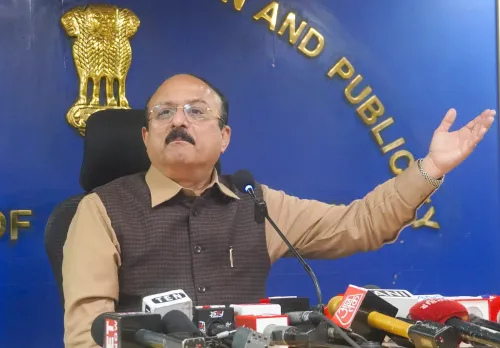
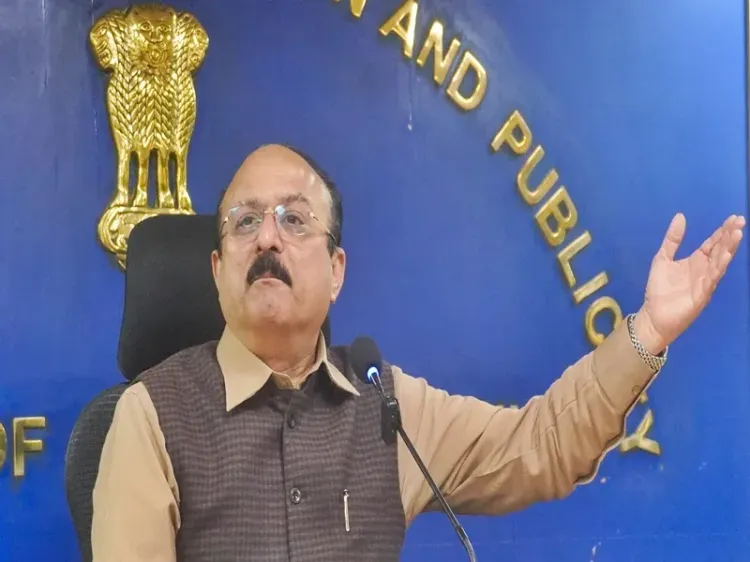
Delhi Education Minister Ashish Sood on Thursday, 11 June chaired a high-level meeting to formulate a comprehensive regulatory framework for coaching centres operating in the national capital. The proposed policy, described as a first-of-its-kind initiative in India, is set to address fee structures, student safety, mental health support, and infrastructure compliance across Delhi's sprawling coaching ecosystem.
Key Decisions from the Meeting
The Director of Higher Education has been designated as the Nodal Officer responsible for drafting the policy, according to an official statement. A multidisciplinary committee will be constituted to develop detailed guidelines spanning fee regulation, student and staff welfare, grievance redressal mechanisms, and standardisation of working conditions.
Infrastructure standards, building safety compliance, fire preparedness, and emergency response measures will also fall within the committee's mandate. Senior officials from the Municipal Corporation of Delhi (MCD), Delhi Fire Services, Directorate of Higher Education, Delhi Police, the Department of Labour, the Department of Health, and the Urban Development Department attended the meeting.
The Gauba Committee Backdrop
The push for a formal regulatory framework follows directly from the recommendations of the Gauba Committee — a high-level panel constituted by the Delhi High Court under the chairmanship of Justice (Retd.) R.C. Gauba. The committee was formed in the wake of the 2024 fatal flooding incident at a coaching institute in Old Rajendra Nagar, which exposed systemic safety gaps across Delhi's densely packed coaching hubs. The Gauba Committee was tasked with identifying vulnerabilities and proposing a stricter oversight framework.
Notably, that incident drew national attention to the largely unregulated nature of coaching institutes, many of which operate in basement premises with inadequate fire exits and drainage infrastructure.
What the Proposed Framework Will Cover
According to the official statement quoting Sood, the framework is designed to ensure a 'safe, transparent, accountable, and student-centric environment' in coaching institutes across Delhi. Key pillars include:
Regulated fee structures to prevent arbitrary pricing; mental health support and counselling mechanisms for students; grievance redressal systems for both students and staff; and standardised teacher and staff welfare conditions. The shift, officials noted, marks a move away from fragmented civic monitoring toward a coordinated academic and regulatory model.
Delhi Eyes Pioneer Status on Coaching Regulation
Sood stated that Delhi is poised to become the first state in India to introduce comprehensive guidelines regulating coaching institutes — institutions that draw students from across the country. The minister added that the Delhi government is treating the matter with the utmost seriousness, given the scale and national significance of the capital's coaching sector.
With the multidisciplinary committee yet to be formally constituted, the timeline for the draft policy's release remains to be confirmed. The framework, once finalised, could serve as a template for other states grappling with similar regulatory gaps.
Point of View
But the real test lies in execution. Coaching institutes in the capital have operated in a regulatory vacuum for decades — the 2024 Old Rajendra Nagar tragedy was a foreseeable outcome, not an anomaly. A multidisciplinary committee is a sound structural choice, but committees have a history of producing guidelines that gather dust. The critical question is enforcement: who penalises non-compliance, and with what authority? Without a statutory backbone — not just guidelines — this framework risks being a well-intentioned document that coaching operators quietly ignore.
NationPress
25 Oct 2026
Frequently Asked Questions
Why is Delhi drafting a coaching centre regulation policy?
The policy is being drafted following the 2024 fatal flooding incident at a coaching institute in Old Rajendra Nagar, which killed students and exposed severe safety gaps. The Delhi High Court's Gauba Committee subsequently identified systemic vulnerabilities and recommended a stricter regulatory framework.
What will the Delhi coaching centre policy cover?
The proposed framework will cover fee structures, student safety and welfare, mental health and counselling support, infrastructure and building safety standards, fire and emergency preparedness, teacher and staff welfare, standardised working conditions, and grievance redressal mechanisms for both students and staff.
Who is leading the drafting of the policy?
The Director of Higher Education has been designated as the Nodal Officer for drafting the policy. A multidisciplinary committee drawn from multiple civic and regulatory agencies will formulate the detailed guidelines.
Which agencies were represented at the meeting chaired by Ashish Sood?
The meeting included senior officials from the Municipal Corporation of Delhi (MCD), Delhi Fire Services, Directorate of Higher Education, Delhi Police, Department of Labour, Department of Health, and the Urban Development Department.
Will Delhi be the first state to regulate coaching centres comprehensively?
According to Education Minister Ashish Sood, Delhi is set to be the first state in India to introduce comprehensive guidelines for coaching institutes, which attract students from across the country. The policy's draft timeline has not yet been officially confirmed.