Delhi Metro stations reopen after CEC protest closures on 2 October
Synopsis
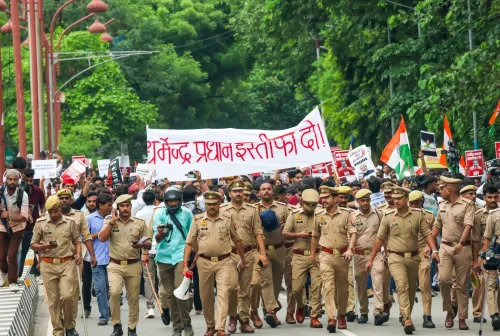
Delhi Metro shut entry and exit at 11 stations for most of 2 October — Gandhi Jayanti — as opposition parties and left student groups flooded Jantar Mantar demanding CEC Gyanesh Kumar's resignation over 'vote chori' claims. Multiple leaders, including former Delhi CM Atishi, were detained. By evening, all gates reopened, but the political pressure on the Election Commission is only building.
Key Takeaways
DMRC reopened all metro station gates on Friday evening, 2 October after a day of protest-linked closures.
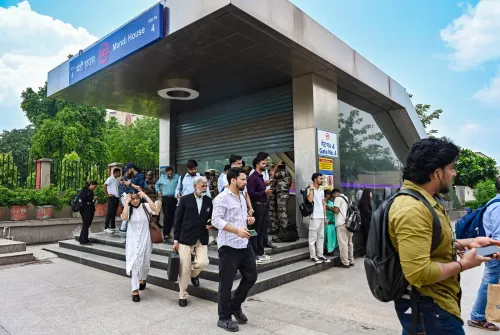
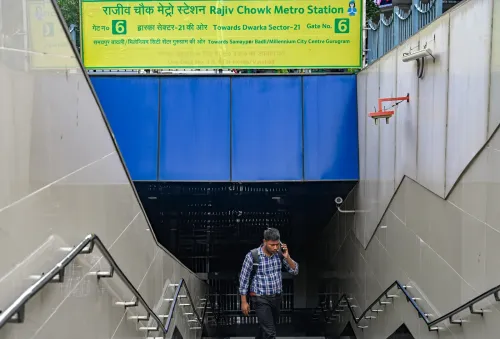
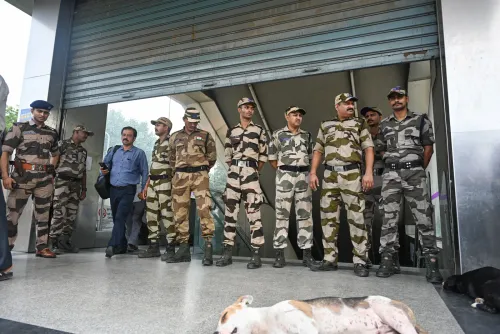
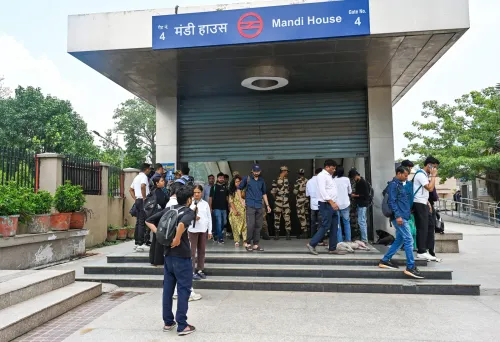
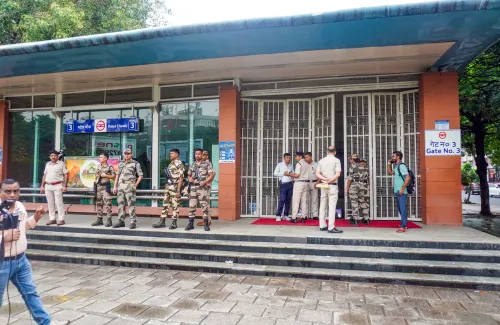
Entry and exit at 11 stations — including Rajiv Chowk , Janpath , and New Delhi — were shut for most of the day.
Protesters at Jantar Mantar demanded the resignation of CEC Gyanesh Kumar over 'vote chori' allegations.
Delhi Police imposed prohibitory orders under Section 163 BNSS across the New Delhi district ; several leaders and students were briefly detained.
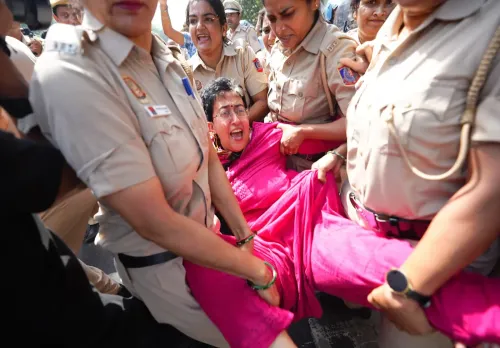
Former Delhi CM Atishi and AAP workers were taken to Fatehpur Beri Police Station and vowed to continue the protest.
CPI-M General Secretary M.A.
Baby said thousands of SFI and DYFI activists travelled from across India to join the agitation.
The Delhi Metro Rail Corporation (DMRC) reopened entry and exit gates at all metro stations on Friday evening, 2 October, after a day of disruptions triggered by large-scale protests at Jantar Mantar and outside the Janpath metro station. Demonstrators demanded the resignation of Chief Election Commissioner (CEC) Gyanesh Kumar over allegations of 'vote chori' (vote theft).
Stations Affected and Services Disrupted
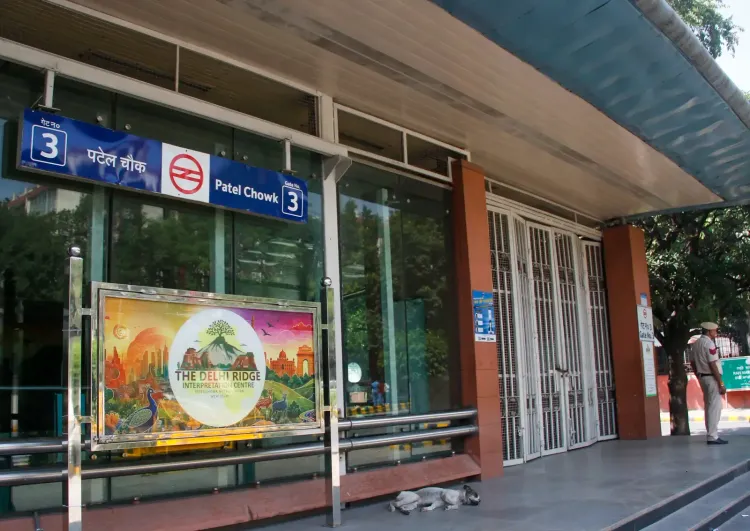
For most of Friday, entry and exit gates at 11 key stations remained shut — including Janpath, Patel Chowk, Central Secretariat, Rajiv Chowk, Seva Teerth, Mandi House, Lok Kalyan Marg, INA, Chawri Bazar, Ramakrishna Ashram Marg, and New Delhi. Interchange facilities had continued at Rajiv Chowk, Mandi House, and Central Secretariat during the closure, though the DMRC had earlier announced that the interchange at New Delhi Metro station would remain unavailable until further notice. By Friday evening, DMRC confirmed on X: 'Entry and exit gates of all Metro Stations of the Delhi Metro network are now open,' adding that the interchange facility at New Delhi station had also resumed.
Protests, Detentions and Police Action
The Delhi Police had imposed prohibitory orders under Section 163 of the Bharatiya Nagarik Suraksha Sanhita (BNSS) across the New Delhi district ahead of the planned demonstrations. Despite the restrictions, student organisations and opposition parties gathered at Jantar Mantar, resulting in the brief detention of several leaders and activists. Aam Aadmi Party (AAP) leaders and workers detained during the protest were taken to Fatehpur Beri Police Station in south Delhi. Former Delhi Chief Minister Atishi, among those detained, said: 'No FIR is being registered against Gyanesh Kumar over vote theft, but those protesting to demand his resignation are being brutally picked up and taken to police stations. But we are not afraid of the police. The fight for democracy will continue.'
Left Parties Join the Agitation
Left student unions and Communist Party of India (Marxist) members staged parallel protests demanding the CEC's resignation. CPI-M General Secretary M.A. Baby told reporters that thousands of youth and student activists affiliated with the Students' Federation of India (SFI) and the Democratic Youth Federation of India (DYFI) had travelled to Delhi from across the country to participate in the demonstration. Several students were also detained by police during these parallel gatherings.
Context and What It Means
The protests come amid a sustained opposition campaign questioning the neutrality of the Election Commission of India (ECI) under CEC Gyanesh Kumar, who has not publicly responded to the resignation demands. The scale of Friday's mobilisation — drawing both mainstream opposition parties and left-affiliated student bodies — signals a broadening front against the current election authority. This is one of the more significant public agitations targeting the ECI in recent years, and the deployment of prohibitory orders in the national capital underscores the sensitivity of the issue. Notably, Friday was Gandhi Jayanti, lending symbolic weight to protests framed around democratic accountability. How the Centre and the ECI respond in the coming days will determine whether pressure on the CEC intensifies.
Point of View
Congress-aligned groups, CPI-M, and student federations rarely converge this visibly. The Election Commission's silence on the 'vote chori' allegations is itself becoming a political liability. The Centre's use of prohibitory orders and mass detentions may dampen turnout in the short run, but risks amplifying the narrative that the state is protecting an embattled official rather than engaging on the substance of the allegations. The real test is whether the ECI offers any institutional response — or whether the vacuum continues to be filled by street politics.
NationPress
2 Oct 2026
Frequently Asked Questions
Why were Delhi Metro stations closed on 2 October 2026?
Delhi Metro shut entry and exit gates at 11 stations on 2 October in anticipation of large-scale protests at Jantar Mantar and near Janpath station, where demonstrators gathered to demand the resignation of CEC Gyanesh Kumar over 'vote chori' allegations. The closures lasted through most of the day before gates reopened in the evening.
Which Delhi Metro stations were closed during the protests?
The 11 stations affected were Janpath, Patel Chowk, Central Secretariat, Rajiv Chowk, Seva Teerth, Mandi House, Lok Kalyan Marg, INA, Chawri Bazar, Ramakrishna Ashram Marg, and New Delhi. Interchange facilities at Rajiv Chowk, Mandi House, and Central Secretariat continued even during the closures.
Who was detained during the CEC protest in Delhi?
Several AAP leaders and workers, including former Delhi Chief Minister Atishi, were detained and taken to Fatehpur Beri Police Station in south Delhi. Students affiliated with CPI-M's SFI and DYFI were also detained by police during parallel protest gatherings.
What are the 'vote chori' allegations against CEC Gyanesh Kumar?
Opposition parties and protest groups have accused Chief Election Commissioner Gyanesh Kumar of presiding over irregularities they describe as 'vote chori' (vote theft), though the CEC has not publicly responded to the specific charges. The allegations have fuelled a sustained campaign by AAP, left parties, and student bodies demanding his resignation.
What legal provision did Delhi Police use to restrict the protests?
Delhi Police imposed prohibitory orders under Section 163 of the Bharatiya Nagarik Suraksha Sanhita (BNSS) across the New Delhi district on 2 October to restrict the planned agitations. Despite the orders, multiple groups staged protests at Jantar Mantar, resulting in detentions.