Delhi minister launches ₹10 crore projects in Pooth Khurd for roads, drains
Synopsis
Delhi Social Welfare Minister Ravinder Indraj Singh launched ₹10 crore in rural infrastructure works in Pooth Khurd — roads, pavements, and drains — just a day after inaugurating ₹20 crore worth of projects in Deep Vihar. The back-to-back announcements signal a concentrated ₹30 crore push across the Bawana constituency in under 48 hours.
Key Takeaways
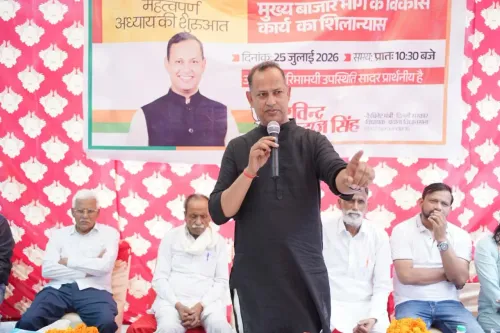
Ravinder Indraj Singh , Delhi Social Welfare Minister and Bawana MLA , launched ₹10 crore worth of development projects in Pooth Khurd village on 14 June .
Works include road strengthening, pavement construction, and drainage development under the Delhi Rural Development Board Fund .
Projects are expected to ease waterlogging and improve connectivity for residents of Pooth Khurd and surrounding areas.
A day earlier, ₹20 crore in projects were launched in Deep Vihar , bringing the two-day total to ₹30 crore across the Bawana constituency .
Additional sanitation, transportation, and civic infrastructure works are planned for other villages and colonies in the constituency.
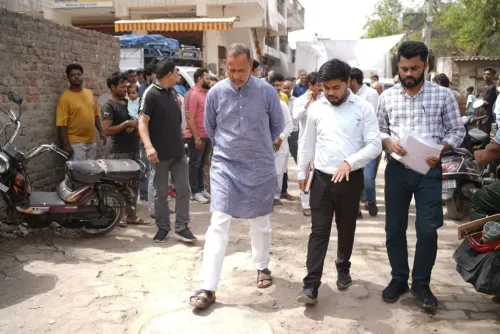
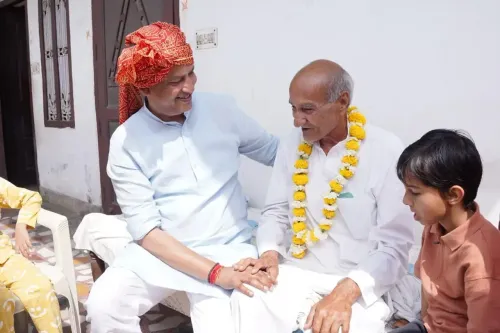
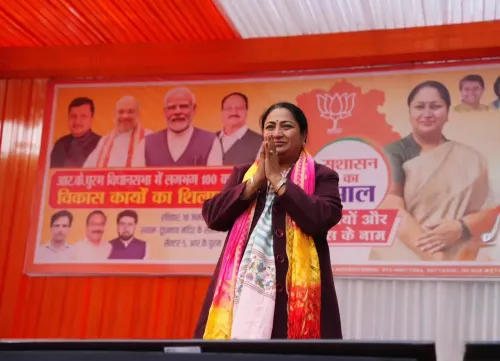
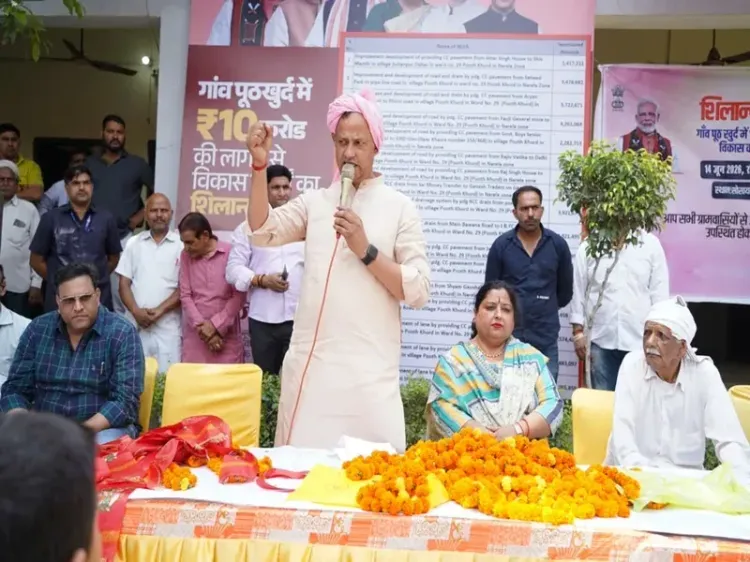
Delhi Social Welfare Minister and Bawana MLA Ravinder Indraj Singh on Sunday, 14 June launched a clutch of development projects worth ₹10 crore in Pooth Khurd village, funded under the Delhi Rural Development Board (DRDB) Fund. The works span road strengthening, pavement construction, and drainage improvement, aimed at upgrading civic infrastructure in one of Delhi's rural pockets.
Key Developments
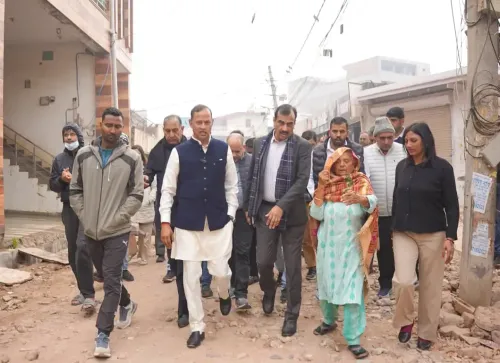
The projects earmarked for Pooth Khurd cover strengthening of internal village roads, construction of pedestrian pavements, and development of an improved drain network. Officials said the works are designed with a 'comprehensive vision' for the village's overall development rather than piecemeal fixes. Upon completion, the initiative is expected to ease waterlogging, a perennial problem in the area during the monsoon season.
What the Minister Said
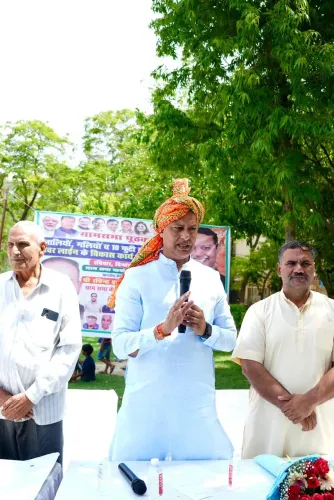
'Strengthening internal rural connectivity will also facilitate smoother daily commuting, improve access to commercial activities and ensure better connectivity to essential public services. The initiative marks an important step towards strengthening rural infrastructure through the Delhi Rural Development Board,' said Ravinder Indraj Singh.
The Minister underscored that strong roads, an efficient drainage system, and seamless connectivity form the foundation of sustainable rural development — and that the projects go beyond bricks and mortar to address the village's long-term needs.
Part of a Broader Constituency Push
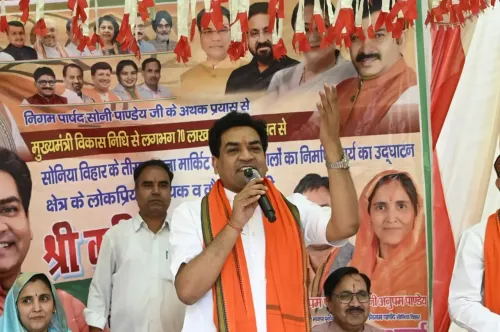
Notably, just a day before the Pooth Khurd launch, the Minister had inaugurated development works worth ₹20 crore in Deep Vihar. The back-to-back announcements — totalling ₹30 crore in two days — signal a concentrated infrastructure drive across the Bawana Assembly constituency. Singh said the pace reflects the government's 'serious commitment and focused approach' to constituency development.
Impact on Residents
Once completed, residents of Pooth Khurd and surrounding areas stand to gain from better road connectivity, reduced waterlogging, and improved access to public services. The Delhi Rural Development Board is simultaneously working on sanitation, transportation, and civic infrastructure projects across other villages and colonies in the constituency, with additional works planned in subsequent phases.
What's Next
The government has indicated that further projects will be undertaken to promote sanitation, transportation, and expanded civic infrastructure, with the stated objective of integrating rural Delhi more effectively into the city's development mainstream. Ground-level impact of the current works is expected to become visible once construction gets under way in the coming weeks.
Point of View
With the Bawana constituency — which straddles rural and semi-urban Delhi — being a key marginal seat. What is less clear is the execution timeline: DRDB projects in Delhi's rural belt have historically faced delays tied to land disputes and contractor capacity. The real measure of this push will be whether the works are completed before the next monsoon season, when waterlogging in areas like Pooth Khurd is at its worst. Headline announcements of this kind need to be tracked against on-ground completion rates — a metric that rarely makes the news cycle.
NationPress
21 Sept 2026
Frequently Asked Questions
What projects were launched in Pooth Khurd by Delhi minister Ravinder Indraj Singh?
Delhi Social Welfare Minister Ravinder Indraj Singh launched development projects worth ₹10 crore in Pooth Khurd village on 14 June, covering road strengthening, pavement construction, and drainage improvement under the Delhi Rural Development Board Fund.
What is the Delhi Rural Development Board Fund?
The Delhi Rural Development Board (DRDB) Fund is a government mechanism used to finance civic infrastructure works — roads, drains, pavements — in Delhi's rural villages and colonies. It operates under the Delhi government and is used to channel development spending to areas outside the urban municipal framework.
How much has been announced across the Bawana constituency in total?
A combined ₹30 crore has been announced in two days: ₹20 crore for Deep Vihar on 13 June and ₹10 crore for Pooth Khurd on 14 June, both under the Delhi Rural Development Board Fund.
Who is Ravinder Indraj Singh?
Ravinder Indraj Singh is Delhi's Social Welfare Minister and the sitting MLA from the Bawana Assembly constituency. He announced the Pooth Khurd projects on 14 June as part of an ongoing infrastructure drive across his constituency.
When will residents see the impact of these projects?
The government has indicated that the impact of the works will become visible on the ground in the coming period once construction is under way, though no specific completion deadline was stated officially.