Delhi-NCR Air Quality Improves to Yellow Zone Amid Rising Temperatures

Synopsis
Strong winds have significantly improved the air quality in Delhi-NCR, bringing most areas into the Yellow Zone. While residents enjoy cleaner air, rising temperatures signal the approach of a hot summer ahead.
Key Takeaways
Strong winds have improved air quality in Delhi-NCR.
Most areas are now in the Yellow Zone.
Temperatures are on the rise, indicating a hot summer ahead.
Monitoring stations report moderate AQI levels across various locations.
Residents are enjoying cleaner air post-Holi.
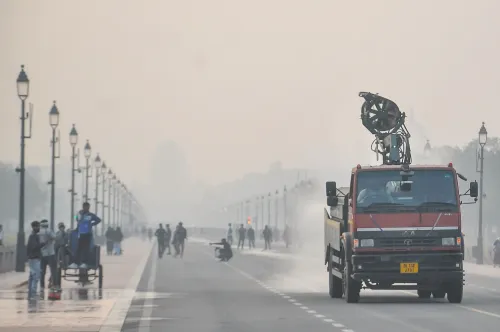
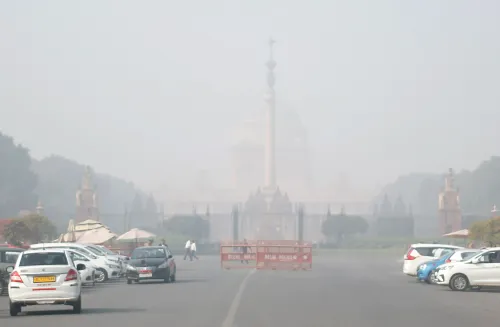
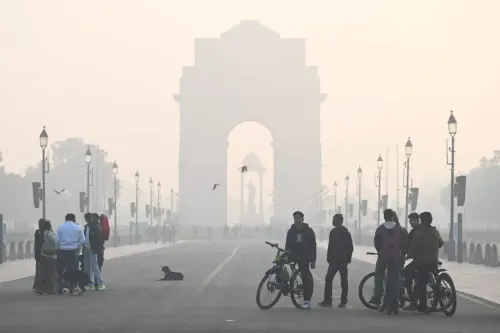
New Delhi/Noida, March 6 (NationPress) The recent strong winds sweeping through the Delhi-National Capital Region (NCR) have led to an improved air quality index in the area. Most regions, including Delhi, Noida, and Ghaziabad, now find themselves in the moderate category, specifically labeled as the Yellow Zone. This change has brought considerable relief from pollution, allowing residents to enjoy cleaner air. However, temperatures are on the rise, hinting at a potentially scorching summer ahead.
As per the latest reports from monitoring stations, various locations in Delhi have recorded moderate air quality levels. Notable AQI figures include 155 in Alipur, 229 in Anand Vihar, 149 in Ashok Vihar, 135 in Aya Nagar, 160 in Bawana, 132 at Burari Crossing, 140 in the Cantonment area, 181 in Chandni Chowk, 140 at the Commonwealth Sports Complex, and 142 in the CRRI Mathura Road area. While most of these locations fall within the Yellow Zone, areas like Anand Vihar and Chandni Chowk show comparatively higher pollution levels.
In Noida, monitoring stations also reflect a similar trend, with AQI readings at 158 in Sector-125, 141 in Sector-62, 160 in Sector-1, and 160 in Sector-116. All these figures also indicate a moderate category, showcasing an improvement in Noida’s air quality as well.
Air quality in Ghaziabad remains in the moderate range as well. AQI values were recorded at 155 in Indirapuram, 213 in Loni, 173 in Sanjay Nagar, and 159 in Vasundhara. Loni recorded the highest pollution levels among these areas, while the others stayed within the moderate spectrum.
The Meteorological Department attributes this positive shift in air quality to the strong winds, which have helped reduce the accumulation of pollutants. However, it is important to note that temperatures are forecasted to increase in the coming days.
On March 6, the expected maximum temperature is around 34 degrees Celsius, with a minimum of 16 degrees Celsius. For March 7 and 8, maximum temperatures may hover around 34 degrees Celsius, while the minimum is projected to rise to about 17 degrees Celsius.
Weather forecasts indicate a mostly clear sky over the coming days, with no weather warnings issued. Experts suggest that as temperatures climb, we are gradually transitioning towards the summer season.
For the time being, the reduction in pollution due to the strong winds has offered a respite to the residents of Delhi-NCR, who have been enjoying relatively better air quality since around Holi.
Point of View
It's essential to highlight the positive developments regarding air quality in the Delhi-NCR region, while also remaining mindful of the rising temperatures that may impact residents soon. This balanced view is crucial for informing the public without inciting unnecessary alarm.
NationPress
19 Sept 2026
Frequently Asked Questions
What is the current air quality like in Delhi-NCR?
The air quality in Delhi-NCR has improved to moderate levels, falling into the Yellow Zone, thanks to the recent strong winds.
How does the AQI vary across different areas?
AQI levels vary by area, with notable readings of 155 in Alipur and 229 in Anand Vihar, indicating moderate air quality with some areas experiencing higher pollution levels.
What are the expected temperatures in the coming days?
The maximum temperature is expected to reach around 34 degrees Celsius, with a minimum of approximately 16 degrees Celsius over the next few days.
Will the weather remain clear?
Yes, the weather forecast indicates a mostly clear sky with no warnings issued for the upcoming days.
What factors contributed to the improvement in air quality?
The strong winds have played a significant role in reducing the accumulation of pollutants, leading to improved air quality in the region.