Dengue in West Bengal: CM Adhikari calls situation serious, not alarming

Synopsis
West Bengal has recorded around 4,000 dengue cases through August 2025 — nearly half the 7,600 logged in the same period last year — but Chief Minister Suvendu Adhikari is not standing down. With five districts on high watch and monitoring pledged through November, the state's real test is whether it can hold the line as the monsoon drags on.
Key Takeaways
CM Suvendu Adhikari chaired a high-level dengue review meeting on 2 September 2025 involving ministers and 21 urban civic body administrators.
Dengue cases in West Bengal through August 2025 stand at approximately 4,000 , down from 7,600 in the same period in 2024 .
Five districts — Kolkata , Howrah , North 24 Parganas , South 24 Parganas , and Murshidabad — have been identified as the most dengue-prone.
Liquid larvicide has been deployed; dengue monitoring will continue through November 2025 .
Adhikari urged hospitals and doctors not to suppress or underreport dengue cases, and asked citizens to use free testing facilities.
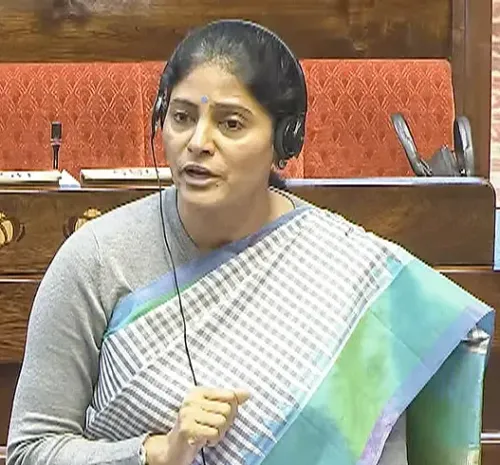
West Bengal Chief Minister Suvendu Adhikari on Tuesday, 2 September urged residents not to panic over the dengue outbreak gripping the state amid relentless monsoon rains, describing the situation as 'serious but not highly alarming.' The assurance came after Adhikari chaired a high-level inter-departmental meeting in Kolkata to coordinate a multi-agency response to the worsening vector-borne disease burden.
Key Developments from the Meeting
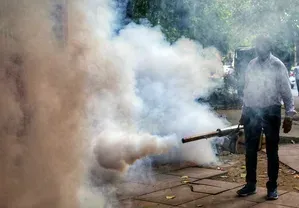
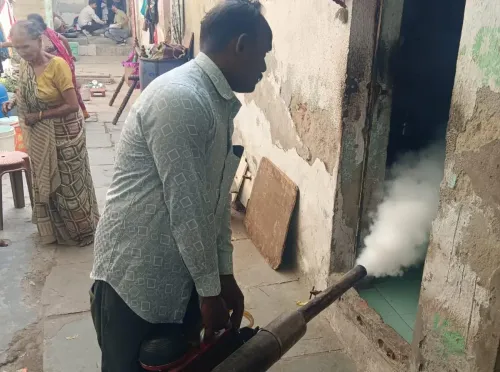
The Chief Minister convened senior ministers, bureaucrats, and administrators from 21 urban civic bodies across West Bengal to devise a unified containment strategy. Officials confirmed that liquid larvicide has been deployed to eliminate dengue mosquito larvae at breeding sites. The state government said monitoring will continue through November 2025, with even mild fevers flagged as potential cases requiring attention.
Numbers Tell a Cautious Story
According to Adhikari, the cumulative dengue case count in West Bengal through the end of August 2025 stands at approximately 4,000 — notably lower than the roughly 7,600 cases recorded over the same period in 2024. While the year-on-year comparison offers some relief, officials cautioned that the ongoing monsoon season and erratic rainfall patterns continue to fuel transmission risk. Dengue cases and related deaths have risen in select districts, keeping the state health department on high alert.
Five Districts on High Watch
The West Bengal Health Department has designated five districts as the most dengue-prone zones in the state: Kolkata, Howrah, North 24 Parganas, South 24 Parganas, and Murshidabad. Authorities are conducting intensified surveillance and vector-control drives in these areas. Family members of confirmed dengue-positive patients will also be monitored as a precautionary measure.
Government's Appeal to Hospitals and Doctors
Adhikari issued a pointed directive to hospital authorities and medical practitioners against suppressing or underreporting dengue cases. 'Do not hide anything. There is nothing there to hide. If there is dengue, it will definitely be dealt with. There is no reason to be afraid when doctors write dengue. If it is dengue, they will write dengue. If not, they will not write,' the Chief Minister said. He also urged citizens to utilise free dengue testing facilities available across the state, stressing that even mild fevers should not be dismissed.
What Happens Next
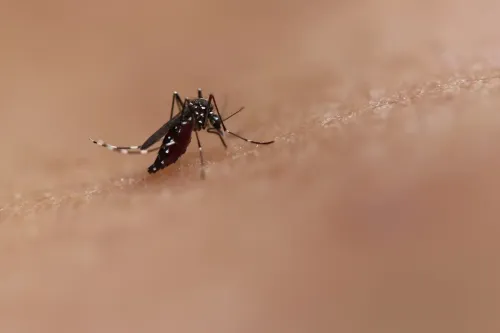
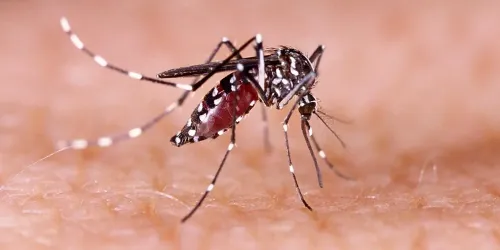
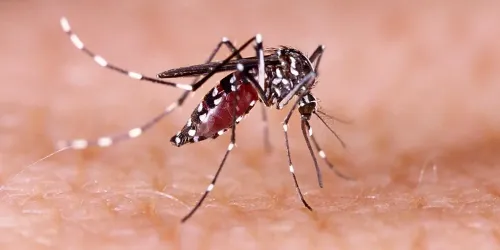
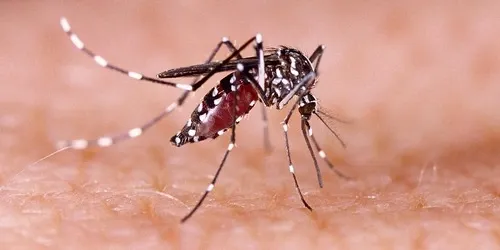
The state government's dengue vigil will remain active through the end of the monsoon cycle, with the situation under review until November 2025. Continued heavy rainfall is the primary concern for health officials, as stagnant water creates ideal breeding conditions for the Aedes aegypti mosquito. Authorities say they are not taking any chances, and a coordinated inter-departmental response will be sustained in the weeks ahead.
Point of View
600 to 4,000 cases is real, but it should not be mistaken for control — it is a baseline comparison during an active monsoon, and the season has weeks left. The Chief Minister's unusually direct appeal to doctors not to underreport is telling: it implies that suppression of case data has been a problem, and that the official numbers may not fully reflect ground reality. Five high-burden districts covering the state's most densely populated urban corridors suggest that transmission risk remains structurally high. The true measure of this administration's response will be whether the case count holds or spikes through October — historically West Bengal's peak dengue month.
NationPress
2 Sept 2026
Frequently Asked Questions
What is the current dengue situation in West Bengal?
West Bengal has recorded approximately 4,000 dengue cases through the end of August 2025, according to Chief Minister Suvendu Adhikari. While the number is lower than the 7,600 cases logged in the same period in 2024, officials describe the situation as serious and are maintaining active surveillance through November 2025.
Which districts in West Bengal are most affected by dengue?
The West Bengal Health Department has identified five districts as the most dengue-prone: Kolkata, Howrah, North 24 Parganas, South 24 Parganas, and Murshidabad. Intensified vector-control and surveillance operations are under way in these areas.
What steps is the West Bengal government taking to control dengue?
The state has deployed liquid larvicide to destroy mosquito larvae at breeding sites, set up free dengue testing facilities, and directed that family members of confirmed positive patients be monitored. A high-level inter-departmental meeting involving 21 urban civic bodies was held on 2 September to coordinate the response.
Why did CM Adhikari ask doctors not to hide dengue cases?
Adhikari issued a direct appeal to hospital authorities and doctors to report all dengue-positive cases accurately and not suppress data. He stressed that transparent reporting is essential for an effective public health response and that patients should not fear a dengue diagnosis.
How long will West Bengal's dengue monitoring continue?
The state government has said dengue surveillance will remain active through November 2025, covering the remainder of the monsoon season and the post-monsoon period, which historically sees elevated transmission in the state.