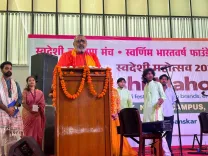
CM Dhami Vows to Bring Governance to Uttarakhand's Doorstep
Synopsis
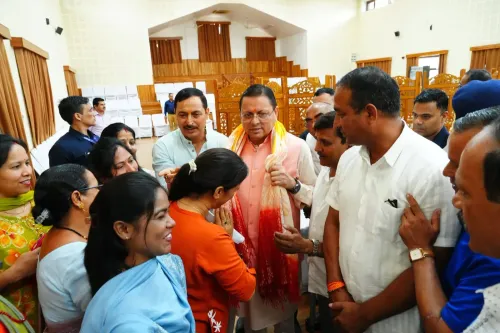
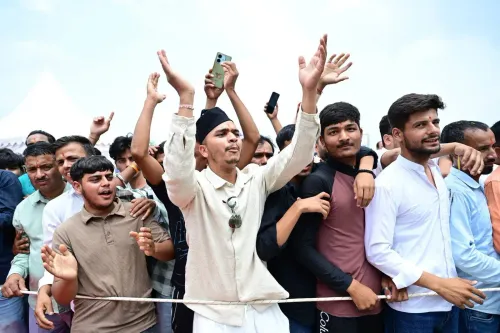
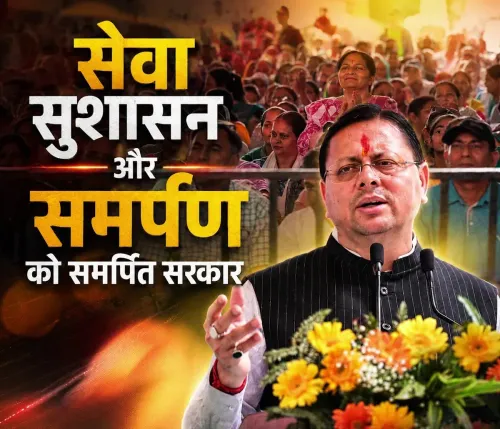
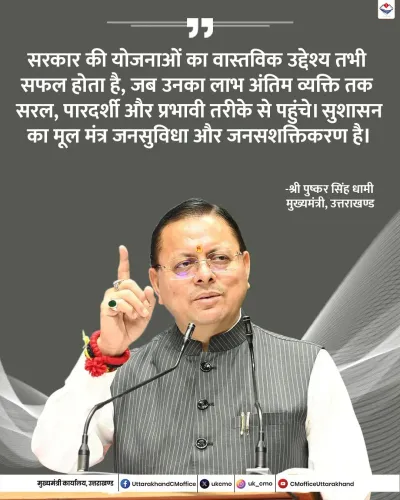
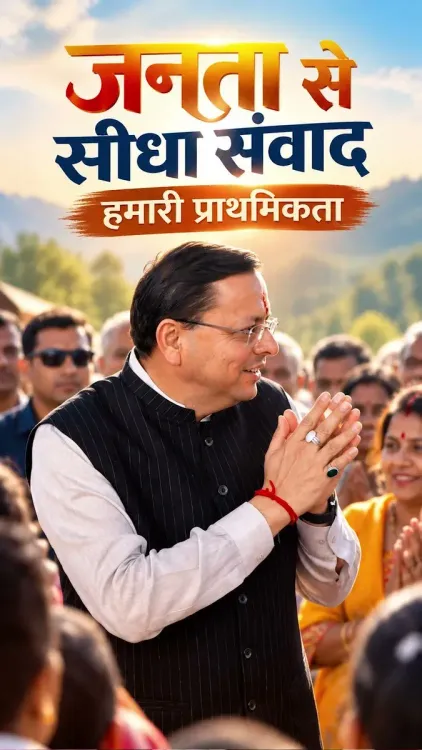
Uttarakhand Chief Minister Pushkar Singh Dhami on 24 October 2026 reaffirmed his administration's commitment to narrowing the gap between government and citizens by taking governance to people's doorsteps and prioritising public dialogue and service delivery.
Key Takeaways
CM Pushkar Singh Dhami on 24 October 2026 stated his government's core goal is reducing the distance between governance and the public.
He emphasised jansanvad (public dialogue) and janseva (public service) as twin administrative priorities.
The approach involves taking governance directly to citizens rather than requiring them to approach state offices.
Uttarakhand 's mountainous terrain makes last-mile service delivery a particularly acute challenge, lending practical urgency to the stated goal.
The outreach-focused governance model mirrors a broader pattern in BJP -ruled states across India.
Closing the gap between the state and its citizens — that is the mission Uttarakhand Chief Minister Pushkar Singh Dhami put at the centre of his governance agenda on Saturday, 24 October 2026, in a post that framed public participation not as a courtesy but as a priority.
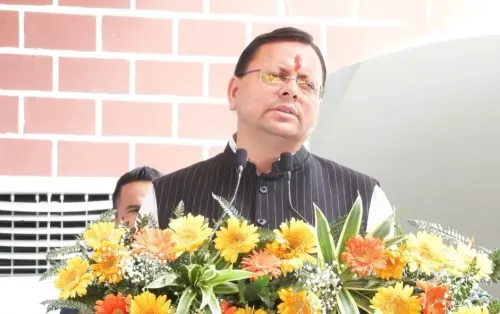
Writing in Hindi, CM Dhami stated: 'हमारा प्रयास शासन और जनता के बीच की दूरी को कम करते हुए जनभागीदारी को सशक्त बनाना है।' — 'Our effort is to reduce the distance between governance and the people, while empowering public participation.' He added that the administration is taking governance to the people's doorstep, prioritising dialogue and service delivery.
Governance at the Doorstep: What Dhami Is Signalling
The framing is deliberate. Rather than asking citizens to navigate bureaucratic corridors, the CM is articulating a model where the state moves toward the people — a shift in posture that carries real administrative weight in a state like Uttarakhand, where mountainous terrain and dispersed hill communities have historically made access to government offices a genuine hardship.
Uttarakhand, a BJP-governed Himalayan state since 2017, has under Dhami — who took charge in 2021 — repeatedly emphasised outreach-led administration. The idea of jansanvad (public dialogue) and janseva (public service) as twin pillars reflects a broader pattern visible across several BJP-ruled states, where direct engagement mechanisms — public hearings, grievance camps, and local-level administrative drives — have been positioned as antidotes to bureaucratic distance.
Why the 'Last Mile' Problem Matters Most in Uttarakhand
For residents of remote blocks in Garhwal and Kumaon, the promise of governance reaching their door is not rhetoric — it is a practical necessity. Poor road connectivity, seasonal migration, and sparse administrative presence in higher-altitude villages mean that even basic services can feel out of reach. A governance model built around citizen outreach, if implemented with specificity, could meaningfully alter that reality.
The broader national context matters too. Indian states are under increasing pressure to demonstrate measurable improvements in service delivery, and participatory governance has emerged as a credible metric — not just a slogan. Whether Dhami's stated intent translates into concrete programmes, outreach schedules, or citizen feedback mechanisms will be the test that follows.
Point of View
The framing carries electoral logic: hill constituencies respond strongly to promises of administrative reach. The real test will be whether this translates into verifiable outreach infrastructure — scheduled camps, digital grievance windows, or block-level drives — or remains a statement of intent. Watching the follow-up in the next assembly session will tell observers whether this is policy momentum or political positioning.
NationPress
25 Oct 2026
Frequently Asked Questions
What did Uttarakhand CM Dhami say about governance on 24 October 2026?
CM Pushkar Singh Dhami said his government's effort is to reduce the distance between governance and the public by taking administration to citizens' doorsteps and prioritising public dialogue and service delivery.
What is jansanvad and janseva in Uttarakhand?
Jansanvad means public dialogue and janseva means public service — twin concepts that CM Dhami has cited as core priorities of his administration's outreach-focused governance model.
Why is last-mile governance difficult in Uttarakhand?
Uttarakhand's mountainous terrain, dispersed hill communities, poor road connectivity in higher-altitude areas, and seasonal migration make access to government offices a genuine hardship for many residents.
When did Pushkar Singh Dhami become Chief Minister of Uttarakhand?
Pushkar Singh Dhami became Chief Minister of Uttarakhand in 2021 and has since focused on state administration, development, and direct citizen outreach.
How does Uttarakhand's governance outreach compare to other BJP states?
Several BJP-ruled states have adopted similar participatory governance models — including public hearings, grievance camps, and local outreach drives — reflecting a broader party-wide emphasis on reducing bureaucratic distance from citizens.