CM Dhami: Uttarakhand youth must find jobs in their own villages
Synopsis
Chief Minister Pushkar Singh Dhami on 14 November 2026 cited five state policies — Tourism, Homestay, Film, Solar Swarozgar Yojana and other employment schemes — aimed at creating village-level livelihoods in Uttarakhand so rural youth are not forced to migrate.
Key Takeaways
CM Pushkar Singh Dhami stated on 14 November 2026 that Uttarakhand's goal is employment for youth within their own villages and regions.
Five policy instruments cited: Tourism Policy, Homestay Policy, Film Policy, Solar Swarozgar Yojana , and other employment-linked schemes.
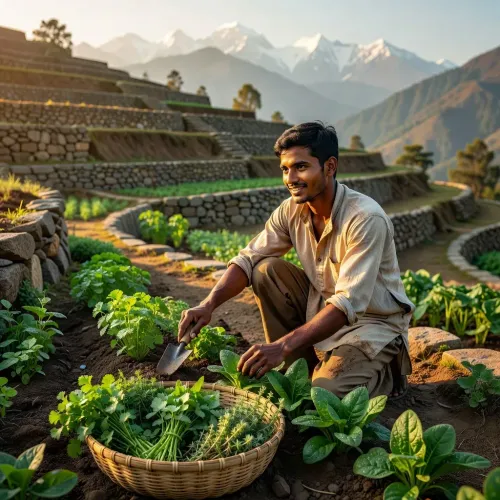
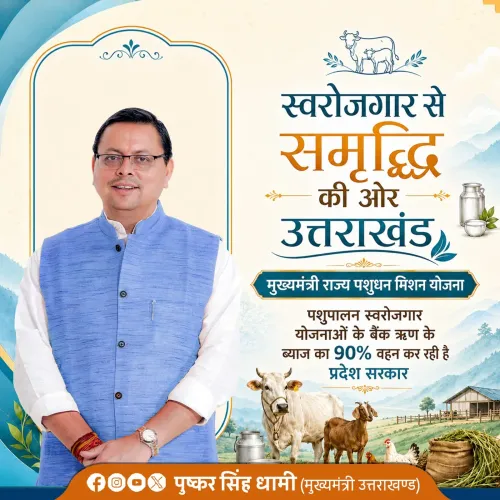
Target sectors are agriculture, horticulture, animal husbandry, tourism, and handicrafts — all viable in mountain terrain.
The drive directly addresses Uttarakhand's chronic rural out-migration , which has depopulated villages in districts like Pauri Garhwal and Almora.
The Solar Swarozgar Yojana is a distinctive scheme linking renewable energy adoption to village-level self-employment income.
Implementation progress is expected to be tracked through upcoming state budget sessions and district-level data .
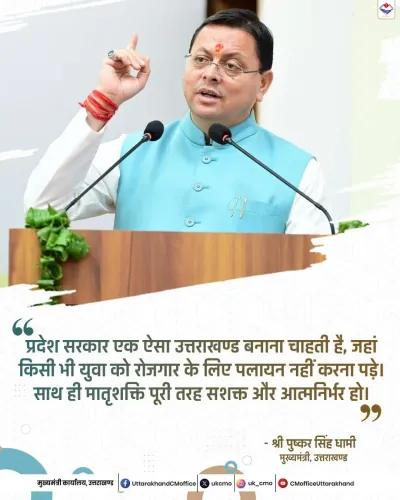
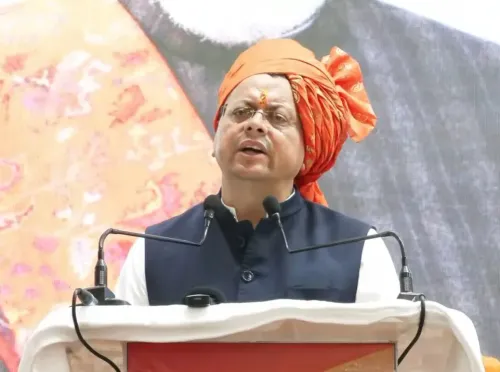
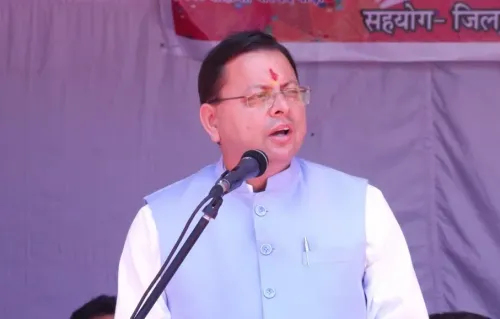
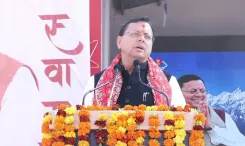
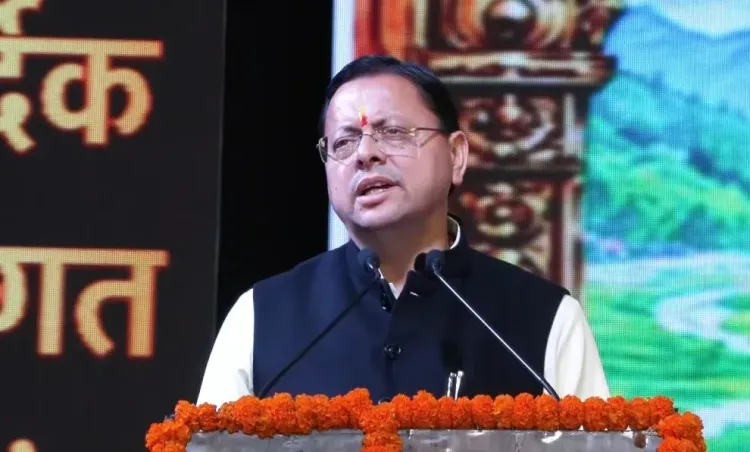
No young person from the hills should have to abandon their home out of compulsion — that is the governing conviction driving Uttarakhand's rural employment push, and Chief Minister Pushkar Singh Dhami made it explicit on Saturday, 14 November 2026. Speaking through the Chief Minister's Office's official X account, Dhami laid out the state's multi-sector strategy to anchor village youth to their own land.
Quoting the Chief Minister directly: 'हम चाहते हैं कि हमारे युवाओं को अपने ही गाँव और क्षेत्र में रोजगार मिले' — 'We want our youth to find employment in their own village and region.' Dhami added that the goal is to raise incomes through agriculture, horticulture, animal husbandry, tourism, and handicrafts, so that no one is forced to leave home.
Five policy levers Dhami is pulling
To translate that intent into income, the Chief Minister cited five specific initiatives: a Tourism Policy, a Homestay Policy, a Film Policy, the Solar Swarozgar Yojana (Solar Self-Employment Scheme), and a broader basket of employment-linked programmes. Each is designed to monetise what the hill state already has — landscapes, heritage, sunlight, and craft traditions — rather than asking rural youth to migrate to plains cities for factory work.
The Solar Swarozgar Yojana is among the more distinctive instruments: it channels renewable-energy adoption into village-level self-employment, letting households and small entrepreneurs generate and sell solar power. The Homestay Policy, developed in the early 2020s, converts spare rooms in mountain homes into registered tourist accommodation, putting tourism revenue directly into family hands rather than large hotel chains.
Uttarakhand's out-migration problem — and why it keeps coming back
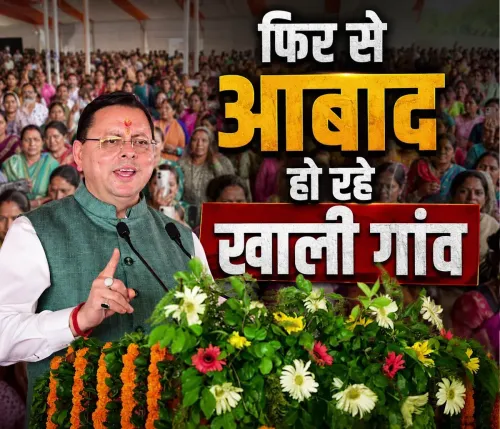
The urgency behind Dhami's statement is demographic. Uttarakhand has for decades seen some of the steepest rural out-migration rates among Indian hill states. Entire villages in districts like Pauri Garhwal and Almora have been hollowed out as young men and women move to Dehradun, Delhi, or further afield in search of steady wages. The state's mountainous terrain limits large-scale industrialisation, making sector-specific, village-compatible policies the only realistic counter.
Successive governments — across party lines — have wrestled with this cycle. What distinguishes the current approach, at least in stated intent, is the simultaneous push across five distinct livelihood streams rather than reliance on any single sector. Whether implementation matches ambition is the question that district-level data and the next state budget will have to answer.
For now, the Chief Minister's message is clear and pointed: the hills are not just a geography to leave — they are an economy to build.
Point of View
Renewable energy, and cultural-economy levers reflects a broader BJP state-government playbook of pairing welfare optics with market-linked self-employment schemes. The real test, however, lies in whether scheme uptake in remote blocks matches the headline ambition; Uttarakhand's implementation track record in hill districts has historically lagged behind policy announcements. Analysts watching the state's budget allocations and migration data will have a cleaner read on impact than any policy statement alone can provide.
NationPress
15 Nov 2026
Frequently Asked Questions
What is the Solar Swarozgar Yojana in Uttarakhand?
The Solar Swarozgar Yojana is a state scheme in Uttarakhand that promotes solar energy-based self-employment in rural areas, enabling households and small entrepreneurs to generate income by producing and supplying solar power.
What is Uttarakhand's Homestay Policy?
Uttarakhand's Homestay Policy, developed in the early 2020s, allows residents to register spare rooms in their homes as tourist accommodation, channelling tourism revenue directly to local families in mountain villages.
Why is out-migration a problem in Uttarakhand?
Uttarakhand's mountainous terrain limits large-scale industrial employment, pushing rural youth — especially from districts like Pauri Garhwal and Almora — to migrate to cities like Dehradun or Delhi for work, depopulating entire villages.
What sectors is CM Dhami targeting to create rural jobs?
Chief Minister Pushkar Singh Dhami has identified agriculture, horticulture, animal husbandry, tourism, and handicrafts as the primary sectors for generating village-level employment in Uttarakhand.
What policies has Uttarakhand launched to stop youth migration?
Uttarakhand has advanced a Tourism Policy, Homestay Policy, Film Policy, Solar Swarozgar Yojana, and other employment-linked schemes specifically designed to create livelihoods within villages so youth are not compelled to leave.