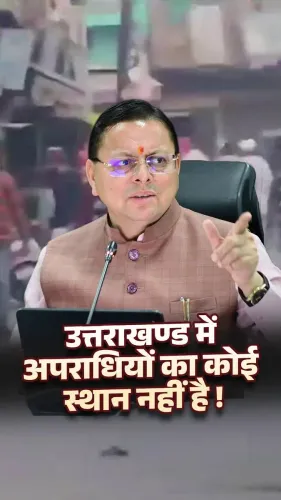
CM Dhami: Land of violators will be seized in Uttarakhand
Synopsis
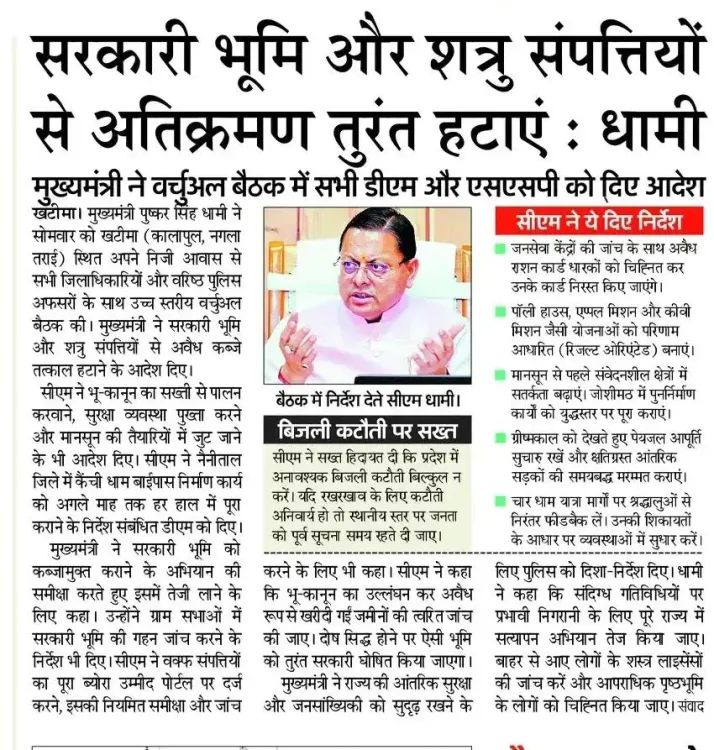
Chief Minister Pushkar Singh Dhami has declared that anyone found violating Uttarakhand's land laws will have their property seized by the state. The warning marks a sharp escalation in enforcement of the hill state's long-standing land protection regime.
Key Takeaways
CM Pushkar Singh Dhami announced on 26 May 2026 that land of those violating Uttarakhand's land laws will be confiscated.
The declaration was made via the official Chief Minister's Office of Uttarakhand account on X.
Uttarakhand has maintained land protection laws since statehood in 2000 , restricting transfer of agricultural land to non-residents.
Enforcement announcements in the state have historically followed reports of illegal land transfers and land mafia activity.
Neighbouring Himachal Pradesh operates similar protective land statutes for its hill districts.
Follow-up action by the Uttarakhand Revenue Department and potential legal challenges before the Uttarakhand High Court are the key developments to watch.
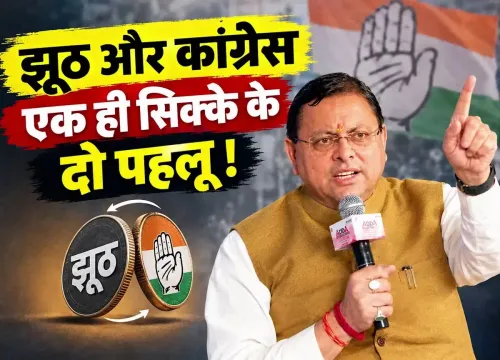
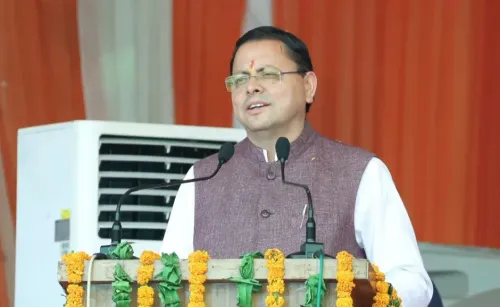
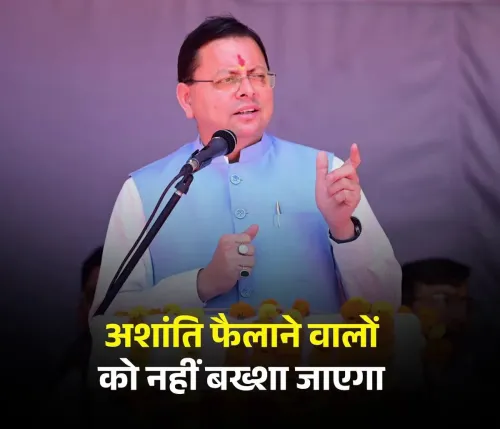
Chief Minister Pushkar Singh Dhami on Tuesday, 26 May 2026, issued a stern warning that land belonging to those who violate Uttarakhand's land laws will be confiscated by the state government. The announcement, made via the official Chief Minister's Office of Uttarakhand account on X, signals a sharp escalation in enforcement of the state's land protection regime.
Context
The post, in Hindi, states: 'Uttarakhand mein bhu kanoon todne walon ki bhoomi hogi jabt' ('The land of those who break land laws in Uttarakhand will be seized'). The declaration is attributed directly to Chief Minister Pushkar Singh Dhami, underscoring the highest political authority behind the warning. Such language is notably stronger than routine advisories, pointing to a deliberate push toward punitive enforcement rather than mere deterrence.
Policy Backdrop
When Uttarakhand was carved out of Uttar Pradesh in 2000, it inherited and adapted a body of land reform legislation designed to restrict the transfer of agricultural and hill-district land to non-residents and outsiders. These laws were framed to guard against demographic pressure, speculative purchases, and the erosion of local land rights in ecologically sensitive hill terrain. Neighbouring Himachal Pradesh operates similar protective statutes, reflecting a shared Himalayan-state concern over unchecked land transactions.
Uttarakhand governments across administrations have periodically reiterated these restrictions, but enforcement has been uneven. Announcements of strict action have often followed reports of illegal land transfers or the activities of land mafias operating in districts such as Haridwar, Dehradun, and hill areas of Kumaon and Garhwal. CM Dhami, who has been in office since March 2021 and represents the BJP, has positioned strict land-law enforcement as a signature governance commitment.
Stakeholders and Impact
The primary beneficiaries of tighter enforcement are local residents and indigenous communities whose access to land and livelihoods is directly tied to these protective statutes. For them, confiscation of illegally held land represents a meaningful remedy rather than a symbolic gesture. Conversely, those who have acquired land through irregular means — whether through benami transactions, fraudulent documentation, or circumvention of residency norms — face the prospect of outright forfeiture.
Investors and developers operating in Uttarakhand's rapidly growing real-estate corridors, particularly around Dehradun, Haridwar, and pilgrimage towns, will watch closely for implementing notifications from the Uttarakhand Revenue Department. Civil society groups and legal advocates who have long demanded accountability in land administration are likely to view the announcement as a positive, if overdue, signal.
What's Next
The immediate question is whether the declaration will be followed by specific administrative and legal action — formal notifications, identification of violators, and initiation of confiscation proceedings under the relevant revenue statutes. Any such moves would likely face legal challenges before the Uttarakhand High Court, testing the state's procedural readiness. Observers will track whether the Revenue Department issues detailed guidelines and whether any high-profile cases are taken up as early signals of intent.
If implemented rigorously, the policy could set a precedent that other hill states with similar land-protection frameworks look to emulate — or, equally, could expose gaps in the existing legal machinery that require legislative reinforcement before confiscation can be carried out at scale.
Point of View
Moving beyond deterrence to threatened forfeiture — a significant rhetorical and legal escalation. It fits a broader BJP pattern in hill states of using land protection as both a governance signal and a political identity marker, appealing to local sentiment against outside encroachment. The real test will be whether administrative machinery backs the declaration with concrete proceedings, or whether it remains a statement of intent. If followed through, it could pressure other Himalayan states to harden their own enforcement postures.
NationPress
10 Oct 2026
Frequently Asked Questions
What did CM Dhami say about Uttarakhand land laws?
CM Pushkar Singh Dhami declared that the land of anyone who violates Uttarakhand's land laws will be seized by the state government.
What are Uttarakhand's land laws?
Uttarakhand has land protection laws inherited from Uttar Pradesh at statehood in 2000, which restrict the transfer of agricultural and hill-district land to non-residents and outsiders, aimed at protecting local communities.
Can outsiders buy land in Uttarakhand?
Uttarakhand's land laws impose significant restrictions on the purchase of agricultural land by non-residents. These rules have been enforced with varying degrees of strictness across different administrations.
What happens to land seized for violating Uttarakhand land laws?
CM Dhami's announcement indicates such land will be confiscated by the state. The specific legal process would be governed by Uttarakhand's revenue statutes, with the Revenue Department expected to issue implementing guidelines.
Which other states have similar land protection laws?
Himachal Pradesh is the most prominent example of a neighbouring hill state with similar protective land statutes designed to restrict sale of land to non-residents in sensitive hill and agricultural areas.