CM Dhami vows to protect Uttarakhand's identity, cites action on 'jihad' cases
Synopsis
Chief Minister Pushkar Singh Dhami has reaffirmed his government's commitment to protecting Uttarakhand's cultural identity, citing strict action against what the CMO termed 'thook jihad', 'love jihad', and 'land jihad' — phrases that have become central to the BJP-ruled state's social-legislation narrative.
Key Takeaways
CM Pushkar Dhami on 21 July 2026 declared his government 'completely committed' to protecting the identity of Devbhoomi (Uttarakhand).
The government claims to have taken strict action against those allegedly disturbing the state's demographic character and social fabric.
The statement invokes thook jihad , love jihad , and land jihad — contested political terms used in BJP governance discourse.
Uttarakhand enacted the Prohibition of Unlawful Conversion of Religion Act in 2020 and became the first Indian state to begin UCC rollout in 2024 .
No specific cases, arrests, or conviction numbers were cited in the CMO's statement.
The statement aligns with a broader pattern of social legislation across BJP-ruled states since 2018 .
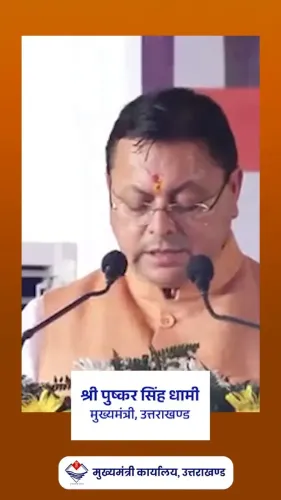
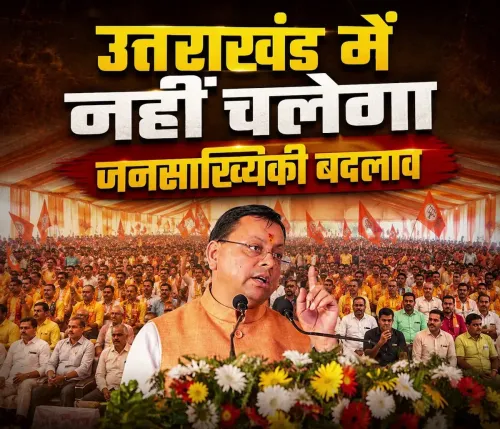
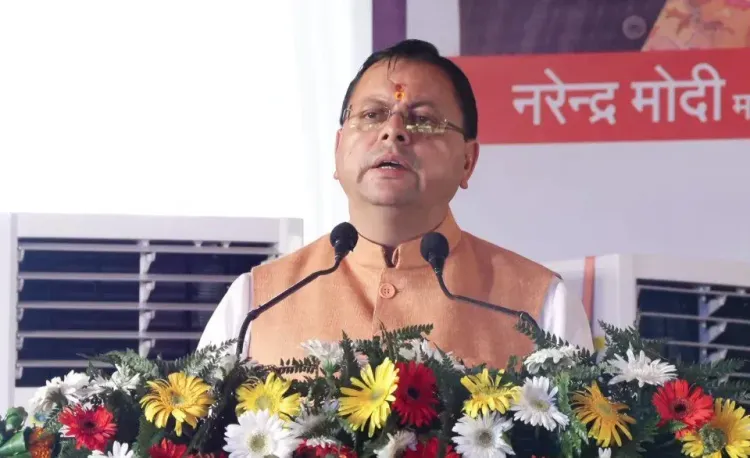
The Chief Minister's Office of Uttarakhand on Tuesday, 21 July 2026 quoted Chief Minister Pushkar Singh Dhami asserting that his government is 'completely committed' to protecting the identity of Devbhoomi — the sacred land of Uttarakhand — and has taken strict action against those it says are disturbing the state's demographic character and social fabric.
Context
In the statement shared by the CMO's official X account, CM Dhami is quoted in Hindi: 'हमारी सरकार देवभूमि की अस्मिता की रक्षा को पूर्णतः संकल्पबद्ध है' ('Our government is completely committed to protecting the dignity of Devbhoomi'). He further stated that the government has adopted a strict stance against those 'disturbing the demographic character and social fabric of the state,' and has taken firm action against what he termed the 'despicable mentality' behind thook jihad, love jihad, and land jihad.
The term Devbhoomi — meaning 'land of the gods' — is a widely used cultural and religious reference to Uttarakhand, a Himalayan state home to major Hindu pilgrimage sites including Char Dham. The phrase carries deep resonance with the state's majority Hindu population and is frequently invoked in political discourse around cultural preservation.
Policy Backdrop
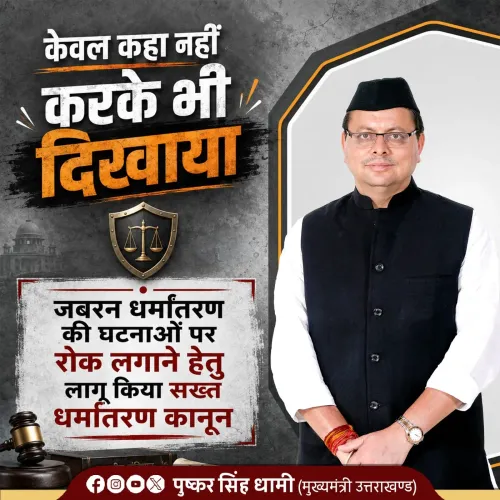
Uttarakhand under CM Dhami has enacted some of the most assertive social-legislation measures among BJP-governed states. The state introduced the Uttarakhand Prohibition of Unlawful Conversion of Religion Act, 2020, which prescribes penalties for conversions allegedly carried out through force, allurement, or marriage.
In 2024, Uttarakhand became the first Indian state to enact and begin rolling out a Uniform Civil Code (UCC), covering marriage, inheritance, and adoption uniformly across communities — a flagship commitment of the BJP and a long-standing ideological goal. Multiple BJP-ruled states have enacted or strengthened anti-conversion statutes and land-transfer restrictions since 2018, often citing concerns about demographic shifts in border and hill regions.
Stakeholders and Impact
The statement is directed at Uttarakhand's majority Hindu residents and the broader constituency concerned with what the BJP frames as demographic and cultural threats in a strategically sensitive border state. Religious minorities — including Muslim and Christian communities — are the implied subjects of the enforcement actions referenced, though no specific individuals, cases, or communities are named in the post.
Civil liberties groups and minority rights organisations have consistently contested the legal and constitutional basis of 'love jihad' framing, arguing that such terminology targets interfaith relationships and minorities without evidentiary basis. The CMO's statement does not reference specific enforcement actions, case numbers, or convictions.
What's Next
Observers will watch for any fresh notifications or amendments under the Uttarakhand UCC framework and potential new rules governing property transactions or religious conversions ahead of the next assembly session. CM Dhami's repeated public emphasis on these themes signals that cultural-identity politics will remain central to the ruling party's electoral and governance narrative in the state. The broader pattern across BJP-ruled states suggests further legislative consolidation in this policy space is likely.
Point of View
Given its pilgrimage economy and strategic Himalayan location. By invoking thook jihad, love jihad, and land jihad in an official CMO communication, the Uttarakhand government is normalising contested political terminology in the language of governance — a significant escalation from legislative action to rhetorical branding. This fits a discernible BJP-state pattern: use landmark legislation (UCC, anti-conversion law) as a policy foundation, then sustain electoral salience through periodic high-visibility statements that signal vigilance to the base. The absence of specific enforcement data in the statement makes it difficult to assess operational impact, but its political function is clear.
NationPress
20 Oct 2026
Frequently Asked Questions
What did Uttarakhand CM Pushkar Dhami say about Devbhoomi?
CM Dhami stated that his government is 'completely committed' to protecting the identity and dignity of Devbhoomi (Uttarakhand) and has taken strict action against those allegedly disturbing the state's demographic character and social fabric.
What is 'love jihad' and why is Uttarakhand taking action?
'Love jihad' is a contested political term used by some Hindu nationalist groups to allege that Muslim men systematically target Hindu women for marriage to convert them. The Uttarakhand government has cited this framing to justify its 2020 anti-conversion law and related enforcement actions.
What is the Uttarakhand anti-conversion law?
The Uttarakhand Prohibition of Unlawful Conversion of Religion Act, 2020 prescribes penalties for religious conversions allegedly carried out through force, allurement, or marriage. It is one of the strictest such laws among Indian states.
Has Uttarakhand implemented the Uniform Civil Code?
Yes. Uttarakhand became the first Indian state to enact and begin rolling out a Uniform Civil Code in 2024, covering marriage, inheritance, and adoption uniformly across communities.
What does Devbhoomi mean?
Devbhoomi means 'land of the gods' in Sanskrit and is a widely used cultural and religious name for Uttarakhand, reflecting its status as home to major Hindu pilgrimage sites including the Char Dham shrines.