DMK to hold ballot-box internal polls for first time in 12 years after organisational overhaul
Synopsis
For the first time since 2014, the DMK will elect internal office-bearers through ballot boxes — ending the nomination culture in contested posts. Triggered by an Assembly election setback, M.K. Stalin's 10-member reform committee has proposed a top-to-bottom overhaul, from district bifurcations to a permanent election management body and a party think tank. It is the most ambitious internal restructuring the party has undertaken in over a decade.
Key Takeaways
The DMK will hold internal party elections via ballot boxes for the first time since 2014 .
Stalin formed a 10-member committee to review party structure after the Tamil Nadu Assembly election setback.
Recommendations include bifurcation of district units , restructuring of the youth wing and women's wing , and creation of a permanent election management body .
Nomination-based selection of office-bearers in contested positions will be replaced by direct voting by eligible party members.
A high-level policy and strategy think tank has been proposed to guide long-term political planning.
Stalin has directed the party leadership to begin preparations for organisational elections immediately.
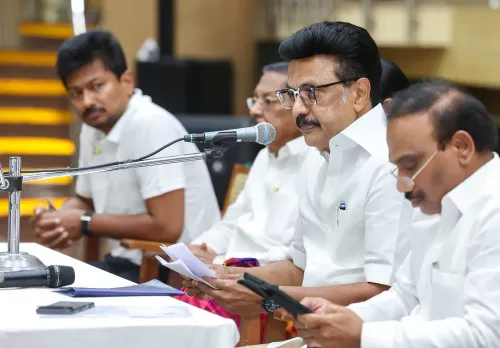
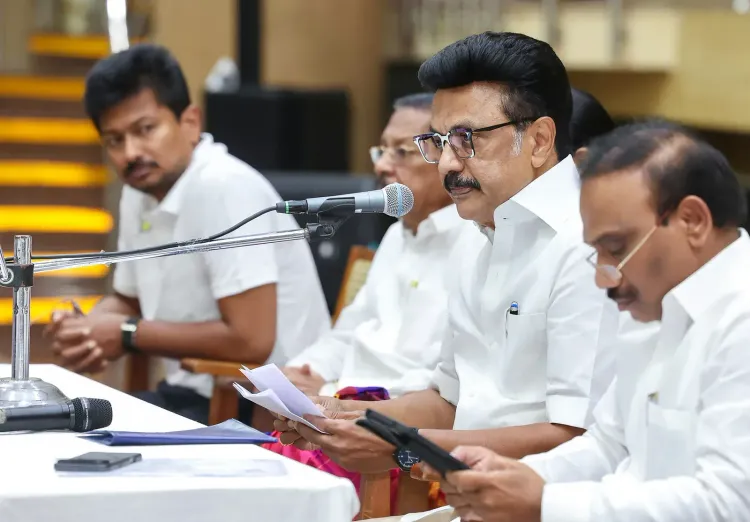
The Dravida Munnetra Kazhagam (DMK) has launched a sweeping organisational restructuring exercise that will culminate in internal party elections conducted through ballot boxes — the first such exercise in 12 years — marking a decisive shift toward greater internal democracy in one of Tamil Nadu's dominant political forces. The announcement, made in Chennai on 1 August, comes in the wake of the party's setback in the recent Tamil Nadu Assembly elections.
Background: What Triggered the Overhaul
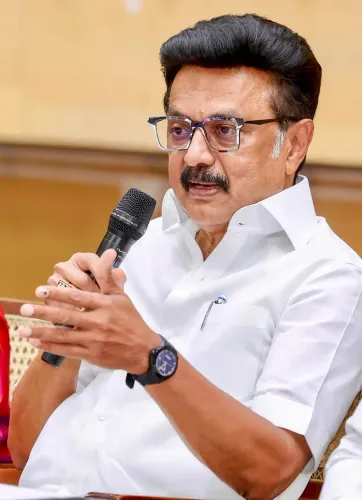
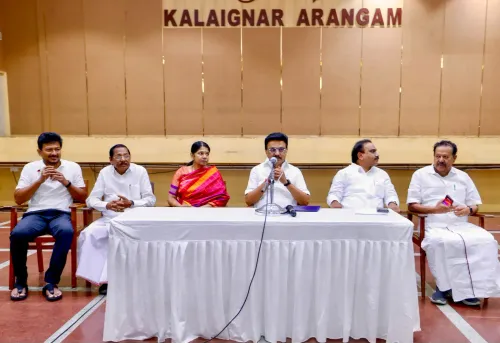
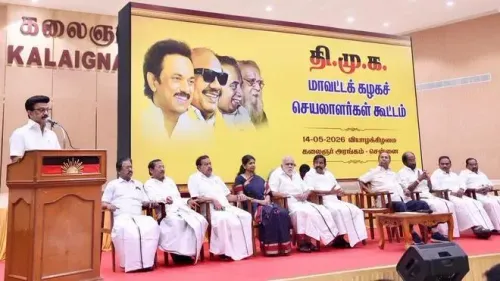
Following the electoral defeat, DMK President M.K. Stalin constituted a 10-member committee to audit the party's organisational structure and recommend corrective measures at every level. The committee has since submitted its report, laying out a detailed road map for reform from the grassroots branch level up to the party headquarters.
Key Structural Changes Proposed
The committee's recommendations include a complete reorganisation of the party's administrative framework, covering the bifurcation of district units and a redrawing of organisational boundaries to improve efficiency and local coordination. All affiliated wings — including the youth wing and the women's wing — are proposed to be restructured to enhance their responsiveness and effectiveness.
Additionally, the report calls for the reorganisation of election task forces and the creation of a permanent election management body to oversee campaign planning and electoral strategy. A high-level policy and strategy think tank has also been proposed to guide the party's long-term political and organisational direction.
Ballot Boxes Replace Nominations in Contested Posts
The most significant democratic reform in the recommendations is the abolition of the nomination-based selection of office-bearers in contested positions. Going forward, wherever more than one candidate contests a post, ballot boxes will be deployed and eligible party volunteers and members will cast direct votes. This replaces the previous practice of nominations, a move aimed at enhancing transparency and accountability within the party's internal processes.
Once restructuring is complete, internal elections will be held across all levels of the organisation to elect executive office-bearers. The last time the DMK conducted ballot-box elections was in 2014 — making this the first such exercise in over a decade.
Stalin Directs Party to Begin Preparations
Following the committee's report submission, Stalin has directed the party leadership to begin preparations for the organisational elections without delay. The move signals the DMK's intent to rebuild its internal machinery ahead of future electoral challenges, including the next Tamil Nadu Assembly elections.
This is a notable institutional moment for a party that has governed Tamil Nadu across multiple terms — the willingness to subject internal positions to competitive balloting reflects both post-defeat introspection and a bid to reinvigorate cadre engagement at the grassroots.
Point of View
But could reinvigorate a rank-and-file that feels bypassed. The proposed think tank and permanent election management body suggest the party is also trying to professionalise its electoral machinery — a structural gap that opposition parties have exploited. Whether these reforms translate into genuine grassroots accountability or remain procedural exercises will depend entirely on implementation and whether the ballot process is conducted without coercion.
NationPress
1 Aug 2026
Frequently Asked Questions
Why is the DMK holding internal elections through ballot boxes?
The DMK is conducting ballot-box internal elections for the first time since 2014 as part of a broader organisational overhaul initiated after the party's setback in the recent Tamil Nadu Assembly elections. DMK President M.K. Stalin constituted a 10-member committee to recommend structural reforms, and the use of ballot boxes in contested posts is a key outcome of that review.
What changes has the DMK committee recommended?
The committee has recommended bifurcation of district units, restructuring of affiliated wings including the youth and women's wings, creation of a permanent election management body, and establishment of a high-level policy and strategy think tank. It also proposes replacing nominations with direct voting in all contested internal positions.
When did the DMK last hold ballot-box internal elections?
The DMK last conducted internal elections through ballot boxes in 2014, making the upcoming exercise the first such democratic internal poll in over 12 years.
Who will be eligible to vote in the DMK's internal elections?
Eligible party volunteers and members will be entitled to cast votes in the internal elections wherever more than one candidate contests a post, replacing the previous system of nomination-based selection.
What is the significance of the proposed DMK think tank?
The proposed high-level policy and strategy think tank is intended to formulate political action plans and guide the party's long-term organisational and electoral strategy — a professionalisation move aimed at strengthening the DMK's competitive positioning ahead of future elections.