Doha Process on Afghanistan: Taliban flags limited gains, UN keeps framework alive
Synopsis
The Taliban's own spokesperson has declared the Doha Process a failure so far — yet the world has no alternative. Three rounds in, the UN-led framework has delivered counternarcotics workshops but nothing on rights or governance. With nearly six million returnees and a sanctions-hit economy, Afghanistan's crisis is deepening faster than diplomacy can move.
Key Takeaways
Taliban Spokesperson Zabihullah Mujahid stated this week that the Doha Process has failed to achieve its intended objectives so far.
The Taliban boycotted the first two rounds of the process; they attended the third round held on 30 June–1 July 2024 with a five-member delegation but without major outcomes.
Technical gains include a UNODC counternarcotics workshop in Jakarta in February 2026 ; human rights — especially women's rights — remain the central unresolved issue.
UNAMA and UN officials confirmed in March and June 2026 that the Doha Process is the primary structured channel for international engagement with Kabul.
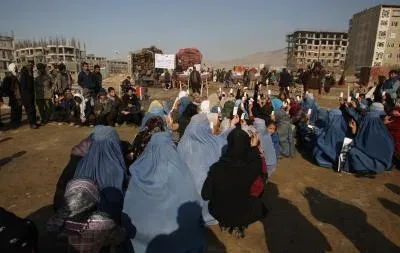
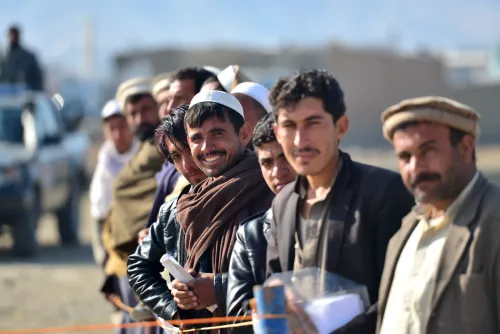
Afghanistan's economy is under severe strain, with nearly six million returnees since 2023 and ongoing border closures with Pakistan .
The date for a fourth Doha meeting has not yet been announced.
The Taliban regime in Kabul has publicly declared that the Doha Process — the United Nations-led diplomatic framework for engaging Afghanistan's current rulers — has so far failed to deliver on its core objectives, with negligible progress on social and economic cooperation and the country's expectations largely unmet.
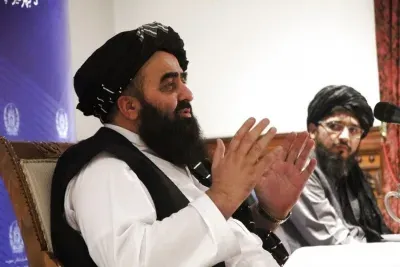
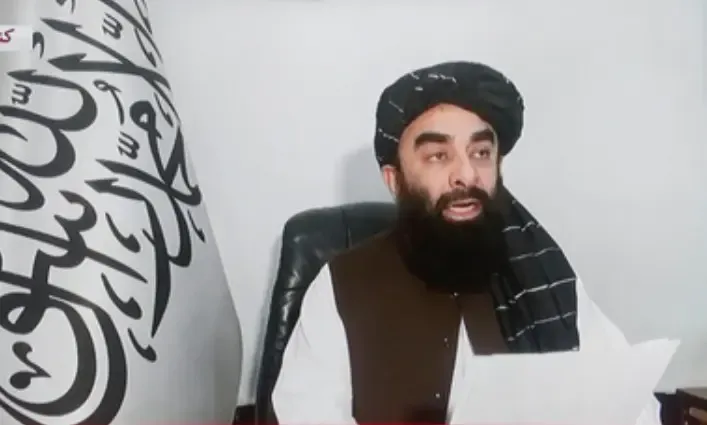
Taliban Spokesperson Zabihullah Mujahid told Afghan broadcaster Tolo News this week that the process remained incomplete and needed to be pursued further to achieve the goals for which it was originally established. His remarks carry weight as the most authoritative public Taliban assessment of a framework that the international community has largely treated as its primary diplomatic channel to Kabul.
A Rocky Start: Three Rounds, Limited Breakthroughs
The Doha Process was launched by the United Nations in May 2023, but the Taliban did not participate in its first two rounds. While the regime was excluded from the inaugural session, it refused to attend the February 2024 meeting after its demands — including recognition as Afghanistan's sole representatives, the exclusion of women and civil society delegates, and a high-level UN convening — were rejected by international actors.
The Taliban finally sent a five-member delegation led by Mujahid to the third round, held between 30 June and 1 July 2024. That session ended without major breakthroughs and drew sharp criticism over the continued exclusion of Afghan women and civil society voices — a pattern that human rights groups say fundamentally compromises the process's legitimacy.
Separately, Rosemary DiCarlo, UN Under-Secretary-General for Political and Peacebuilding Affairs, visited Afghanistan for three days approximately seven months ago and held talks with officials on the Doha Process and its working-group meetings, according to the Kabul Times.
Where Incremental Progress Has Been Made
Despite the political stalemate, technical working groups have produced limited but notable outcomes. In February 2026, Afghan professionals participated in a United Nations Office on Drugs and Crime (UNODC)-led visit to Jakarta under the Doha Process Counternarcotics Working Group, focusing on evidence-based drug prevention and treatment — a sign of incremental Taliban willingness to cooperate on select technical issues.
The United Nations Assistance Mission in Afghanistan (UNAMA) has described the Doha Process as the principal framework for dialogue on Afghanistan's challenges. UN officials reiterated in both March and June 2026 that it remains the main structured channel for international engagement with Kabul.
As of 2026, the process has facilitated technical cooperation on counternarcotics and humanitarian aid, according to reports. Human rights — particularly the rights of women and children — remain the most significant obstacle, as multiple UN reports have noted.
Afghanistan's Strategic Weight and Economic Strain
The international community's sustained engagement with a regime it does not recognise reflects Afghanistan's outsized geopolitical value. Situated at the crossroads of South Asia, Central Asia, and the Middle East, the landlocked country shares borders with Pakistan, Iran, Turkmenistan, Uzbekistan, Tajikistan, and China, functioning as a buffer state that shapes regional power dynamics.
For India, Afghanistan remains strategically significant on multiple fronts: regional security, counterterrorism, economic connectivity, and geopolitical influence across South and Central Asia.
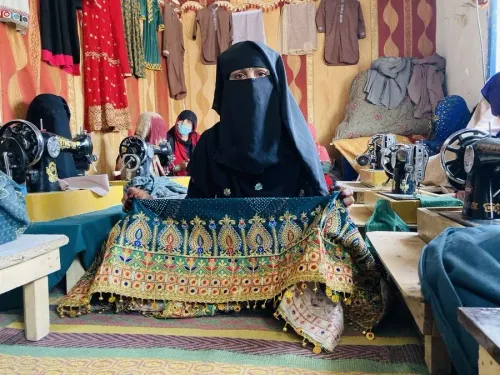
Afghanistan's fragile economy faces compounding pressures. Border closures with Pakistan and instability in Iran have disrupted trade. Nearly six million returnees since 2023 have strained limited reintegration capacity, while rising commodity prices have deepened household distress. Despite some reported revenue mobilisation and infrastructure investment under sanctions, unemployment, declining household incomes, and environmental degradation persist, according to official reports.
What Comes Next
The timing of a fourth Doha meeting on Afghanistan has not yet been announced, but the continuation of the process is expected to remain a central issue in diplomatic exchanges between the Taliban and international stakeholders. The fundamental tension — between pragmatic engagement and adherence to UN principles on human rights, counterterrorism, and humanitarian access — shows no sign of resolution. Whether the next round can move beyond technical cooperation to address governance and rights will determine whether the Doha framework retains credibility or becomes another stalled diplomatic exercise.
Point of View
Which gives the Taliban implicit leverage without requiring them to deliver on rights or governance. Meanwhile, the exclusion of Afghan women and civil society from a process ostensibly about Afghanistan's future is a contradiction that donors and UN member states have quietly accepted. If the fourth round does not address that contradiction directly, the Doha Process risks cementing a diplomatic arrangement that normalises Taliban rule without extracting any meaningful accountability.
NationPress
16 Sept 2026
Frequently Asked Questions
What is the Doha Process on Afghanistan?
The Doha Process is a United Nations-led diplomatic framework launched in May 2023 to facilitate structured dialogue between the Taliban, international actors, and regional stakeholders. Its goals include promoting human rights, counterterrorism cooperation, and humanitarian access, with Doha chosen for its neutral setting and Qatar's history of hosting Afghan peace talks.
Why has the Taliban criticised the Doha Process?
Taliban Spokesperson Zabihullah Mujahid said this week that the process has failed to achieve its intended objectives, citing very limited progress in social and economic cooperation and unmet Afghan expectations. The Taliban has previously boycotted sessions when its demands — including exclusion of women and civil society — were rejected.
How many rounds of the Doha Process have taken place?
Three formal rounds have been held as of 2026. The Taliban boycotted the first two; it sent a five-member delegation to the third round on 30 June–1 July 2024, which ended without major breakthroughs. The date for a fourth round has not yet been announced.
What progress has the Doha Process achieved?
Progress has been limited to technical areas. Notably, Afghan professionals participated in a UNODC-led counternarcotics workshop in Jakarta in February 2026. Human rights — particularly the rights of women and children — remain the biggest unresolved obstacle, as UN reports have consistently noted.
Why does the Doha Process matter for India?
Afghanistan is strategically significant for India on regional security, counterterrorism, economic connectivity, and geopolitical influence across South and Central Asia. The outcome of the Doha Process directly affects regional stability, cross-border militancy risks, and India's ability to maintain any diplomatic or economic foothold in Kabul.