NSA Ajit Doval projects India's GDP surge from $4 trillion to $38 trillion in 20 years
Synopsis
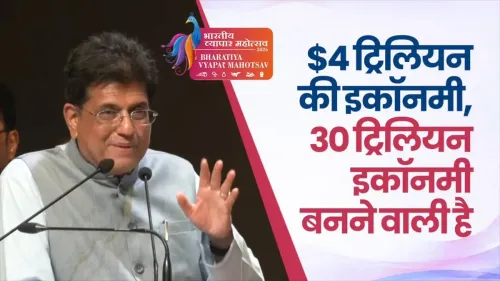
India's National Security Advisor Ajit Doval told IIT Roorkee graduates that India's GDP could soar from $4 trillion today to $38 trillion within 20 years — a nearly tenfold leap that would vault the country into the ranks of the world's largest economies. The projection, delivered within the government's Amrit Kaal framework, sets an ambitious benchmark against which India's economic policy will increasingly be measured.
Key Takeaways
NSA Ajit Doval projected India's GDP rising from $4.015 trillion to $38 trillion within 20 years .
Remarks were made at the IIT Roorkee convocation ceremony on 19 September 2026 .
Doval framed the projection within the government's Amrit Kaal vision targeting India's centenary of independence in 2047 .
Prime Minister Narendra Modi had earlier cited India's 7.8% GDP growth in the April–June quarter as evidence of strong economic fundamentals.
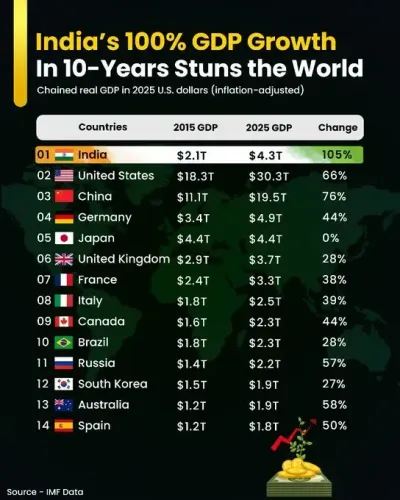
A $38 trillion economy would rank India among the world's two or three largest, up from its current fifth-place position.
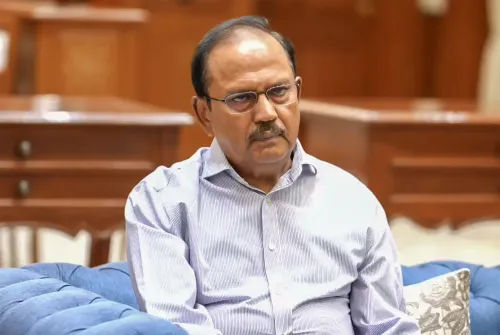
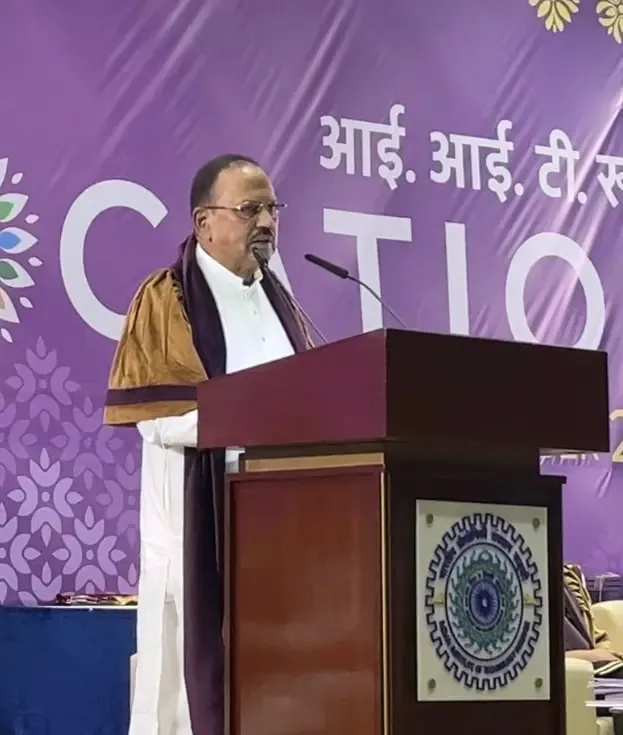
National Security Advisor Ajit Doval on Saturday, 19 September 2026, projected a dramatic expansion of the Indian economy, stating that the country's gross domestic product (GDP) could climb from its current level of approximately $4 trillion to $38 trillion within the next 20 years. Doval made the remarks while addressing the convocation ceremony at the Indian Institute of Technology (IIT) Roorkee, telling graduates they were stepping into one of the most consequential phases in India's modern history.
Key Projections and the Amrit Kaal Vision
Doval stated that India's GDP currently stands at $4.015 trillion and is on a trajectory to reach $38 trillion over the next two decades — a nearly tenfold increase. He framed this projection within the government's Amrit Kaal framework, the development roadmap targeting the period leading up to India's centenary of independence in 2047. 'Massive changes are taking place in India and the country is moving towards a magnificent future,' Doval said in his address.
He described the present moment as a 'wonderful Amrit Kaal marked by opportunities for growth and innovation,' urging graduates to seize the possibilities that this transformative era would bring across sectors.
Lessons in Courage and Character
Beyond economics, Doval used the convocation stage to deliver a personal message of conviction and courage to the graduating class. Drawing from Hindu mythology, he cited the example of Lord Ram, noting that sage Vishwamitra chose him to confront evil not merely because of his capability but because of his courage and strength of character.
He also drew from his own early career, recounting an experience during a posting in Sikkim where a Sherpa imparted three guiding principles: understand where you currently stand, clearly define your destination, and identify the route needed to reach your goal and return successfully. These, Doval suggested, were universally applicable lessons for both professional and personal life.
PM Modi's Endorsement of India's Economic Momentum
Doval's projection comes against a backdrop of broader government optimism about India's economic trajectory. Prime Minister Narendra Modi had earlier welcomed India's 7.8% GDP growth recorded in the April–June quarter, describing it as evidence of the country's robust economic fundamentals and the collective efforts of its citizens despite prevailing global economic uncertainty, geopolitical tensions, and supply chain disruptions.
The government has repeatedly positioned sustained economic expansion as a central pillar of its long-term Amrit Kaal development agenda, making Doval's remarks at IIT Roorkee consistent with the broader messaging from New Delhi.
Context and What It Means for India
A $38 trillion GDP would place India firmly among the world's two or three largest economies — a dramatic shift from its current position as the fifth-largest. Notably, such projections, while aspirational, depend on sustaining compound annual growth rates well above current levels over two full decades, a feat that would require navigating structural challenges including employment generation, infrastructure, and productivity gains across agriculture and manufacturing.
The NSA's address at one of India's premier technical institutions also signals the government's intent to engage the country's engineering and scientific talent pool as a driver of this envisioned growth. As India's demographic dividend peaks in the coming years, how effectively graduates from institutions like IIT Roorkee contribute to the economy will be a critical variable in whether such projections materialise.
Point of View
But the arithmetic demands sustained growth rates that India has not consistently achieved. Going from $4 trillion to $38 trillion in two decades implies compounding well above recent averages — in an environment where global headwinds, demographic pressures, and structural bottlenecks in employment and manufacturing remain unresolved. The fact that the NSA — not the Finance Minister or the Chief Economic Adviser — is the one articulating this vision at a university convocation also raises a question: is this economic statecraft or motivational rhetoric? The Amrit Kaal framework has become a catch-all framing device, but without sector-specific growth targets and accountability milestones, lofty GDP ceilings risk becoming perennial talking points rather than actionable policy anchors.
NationPress
19 Sept 2026
Frequently Asked Questions
What did NSA Ajit Doval say about India's GDP?
NSA Ajit Doval projected that India's GDP could rise from its current level of $4.015 trillion to $38 trillion within the next 20 years. He made these remarks at the IIT Roorkee convocation on 19 September 2026, framing the projection within the government's Amrit Kaal development vision for 2047.
What is the Amrit Kaal framework Doval referred to?
Amrit Kaal is the Indian government's long-term development vision covering the period from now until 2047, the centenary of India's independence. It encompasses goals for economic growth, infrastructure, technology, and governance, and has been a recurring framing device in official speeches and policy documents.
How does India's projected $38 trillion GDP compare globally?
A $38 trillion GDP would place India among the world's two or three largest economies, a significant leap from its current position as the fifth-largest. Achieving it would require India to sustain high compound annual growth rates consistently over two full decades.
What was PM Modi's recent comment on India's economic growth?
Prime Minister Narendra Modi welcomed India's 7.8% GDP growth in the April–June quarter, calling it evidence of strong economic fundamentals and the collective efforts of citizens despite global economic uncertainty, geopolitical tensions, and supply chain disruptions.
What personal advice did Doval offer IIT Roorkee graduates?
Doval urged graduates to display courage and conviction in their lives, drawing on Hindu mythology and a lesson from a Sherpa he met during a posting in Sikkim. The three principles he shared were: know where you currently stand, clearly define your destination, and identify the route to reach your goal and return successfully.