Dr. Jitendra Singh flags Meghalaya village's millet revival
Synopsis
Two women from Khanduli in Meghalaya's West Jaintia Hills district reversed declining millet cultivation by developing value-added products — cookies, cakes, muffins, and baby food — boosting demand and reviving local farming. Union Minister Dr. Jitendra Singh highlighted their story in the context of Mann Ki Baat.
Key Takeaways
Two women entrepreneurs from Khanduli village, West Jaintia Hills, Meghalaya created millet-based cookies, cakes, muffins, and baby food to revive local cultivation.
Millet farming in Khanduli had been declining before their value-addition initiative reversed the trend by growing product demand.
Jitendra Singh shared the story on 25 October 2026 under the #MannKiBaat hashtag.
India backed the UN declaration of 2023 as the International Year of Millets , making grassroots stories like this part of national policy messaging.
The Khanduli model — commercial products first, crop revival second — offers a replicable template for tribal farming communities across the Northeast.
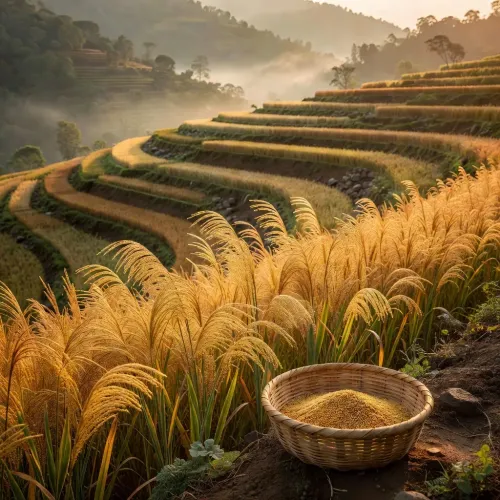
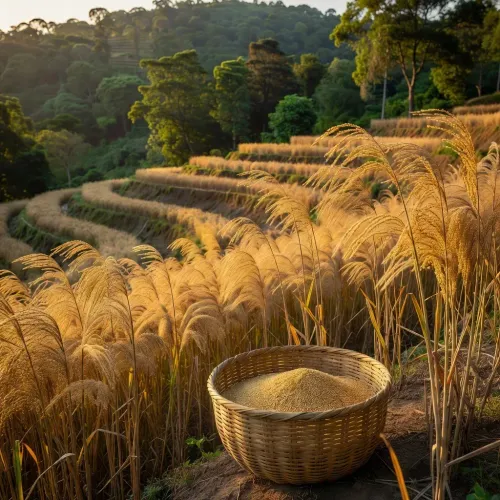
In the hill villages of West Jaintia Hills district, Meghalaya, millets have been a dietary staple for generations — but the number of farmers willing to grow them had been quietly shrinking. Two friends from the village of Khanduli decided that was not a story they would let end quietly. Union Science and Technology Minister Dr. Jitendra Singh shared their initiative on Sunday, 25 October 2026, amplifying it as part of the #MannKiBaat conversation.
Cookies, cakes, muffins — and baby food from millets
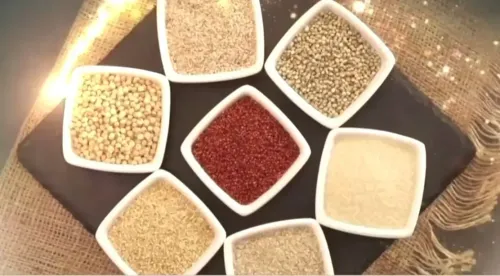
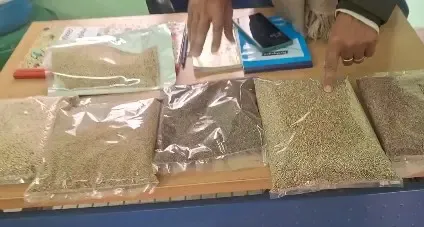
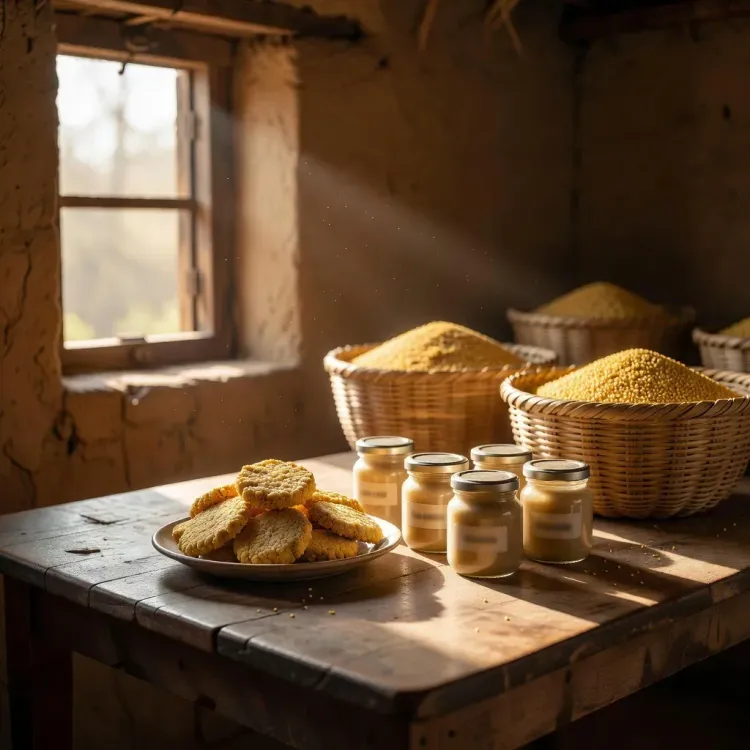
The two women of Khanduli did not simply advocate for millets — they built a market for them. By developing value-added products including cookies, cakes, muffins, and millet-based baby food, they transformed a subsistence crop into a commercial proposition. The logic was clean: give farmers a buyer, and farmers will plant. As demand for the processed products rose, so did the incentive to cultivate millets once more.
Dr. Jitendra Singh's post noted the arc precisely — millet cultivation had been declining, the two friends stepped in with a product-first approach, and sales followed. The baby food line is particularly pointed: it targets urban, health-conscious parents who would never have considered a tribal hill-village crop, and pulls Khanduli's produce into a national conversation about nutrition.
Khanduli inside the bigger millet push
India championed the United Nations declaration of 2023 as the International Year of Millets, staking its agricultural diplomacy on the argument that these climate-resilient, nutrition-dense crops deserve a global comeback. The Northeast — with its distinct agrobiodiversity and traditional food cultures — was always central to that argument, even if the policy spotlight rarely reached villages like Khanduli.
Mann Ki Baat, Prime Minister Narendra Modi's monthly radio programme, has repeatedly used exactly these grassroots stories to connect national policy with ground-level action. A minister sharing such a story extends that reach onto social media, stitching the Khanduli initiative into a broader government narrative about women entrepreneurs reviving traditional agriculture.
What the Khanduli model signals for Northeast farmers
The pattern the two friends followed — value addition first, cultivation revival second — is replicable. Across the Northeast, tribal communities hold knowledge of indigenous crops that have no commercial outlet and therefore no reason to survive. A micro-enterprise that converts those crops into packaged goods can, as Khanduli shows, reverse a decline that decades of policy nudges could not.
The next question is whether initiatives like this get linked to state nutrition or government procurement programmes, which would guarantee volume and insulate the entrepreneurs from the volatility of artisanal markets. That bridge, between a village kitchen and a supply chain, is where the real scaling happens.
Two friends in a Meghalaya hill village did not wait for a programme to find them. The programme found them — and is now telling their story to the country.
Point of View
Not just mandates. By channelling it through Mann Ki Baat and ministerial social media, the administration is building a distributed proof-of-concept: that value addition by women entrepreneurs can succeed where subsidy-driven cultivation drives have stalled. For the Northeast specifically, where tribal food cultures are simultaneously India's strongest millet case and its most neglected supply chain, the signal matters. The real policy test will come if and when the Centre links such micro-enterprises to formal procurement or nutrition programme sourcing.
NationPress
25 Oct 2026
Frequently Asked Questions
What is the Khanduli millet initiative in Meghalaya?
Two women from Khanduli village in West Jaintia Hills district, Meghalaya, started making value-added millet products — including cookies, cakes, muffins, and baby food — to boost demand and revive declining millet cultivation in their area.
Why was millet farming declining in Khanduli?
The research indicates that the number of farmers cultivating millets in Khanduli had been falling, likely due to low commercial demand, though the two entrepreneurs' product-led approach helped reverse this trend.
What is Mann Ki Baat and why was this story shared there?
Mann Ki Baat is Prime Minister Narendra Modi's monthly radio programme that spotlights positive grassroots initiatives from across India. The Khanduli initiative fits its recurring theme of rural women reviving traditional crops through entrepreneurship.
What did India do to promote millets internationally?
India championed the United Nations declaration of 2023 as the International Year of Millets, positioning these crops as climate-resilient and nutrition-rich, with tribal and hill regions of the Northeast central to that pitch.
Can the Khanduli millet model be replicated elsewhere in Northeast India?
Yes, the approach — creating packaged consumer products first to build demand, then letting that demand drive cultivation — is replicable in other tribal communities across the Northeast that have indigenous crops but no commercial outlet.