ECI clarifies Cabinet Secretary letter amid SIR dissent row
Synopsis
India’s Election Commission went public on Saturday with a rare internal clarification, insisting a letter to the Cabinet Secretary was about a deputationist officer — not policy. But with Opposition parties planning protests from 26 September to 2 October over alleged sidelining of two commissioners, the row over the ECI’s independence is far from settled.
Key Takeaways
The ECI clarified on 26 September that its letter to the Cabinet Secretary concerned an officer on deputation, not any policy or IT division matter.
Reports had alleged Election Commissioners S.S.
Sandhu and Vivek Joshi were kept out of at least 14 decisions over 10 months .
The two commissioners reportedly questioned CEC Gyanesh Kumar over voter database integrity and electoral roll security.
The ECI announced new transparency measures: advance agendas, published minutes, annual appraisals by 31 December , and mandatory approval for officers’ foreign trips.
Congress and Opposition parties launched nationwide protests from 26 September to 2 October over the alleged rift.
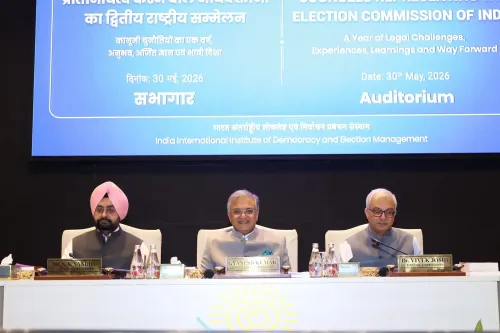
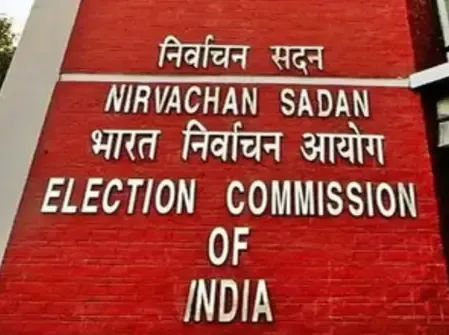
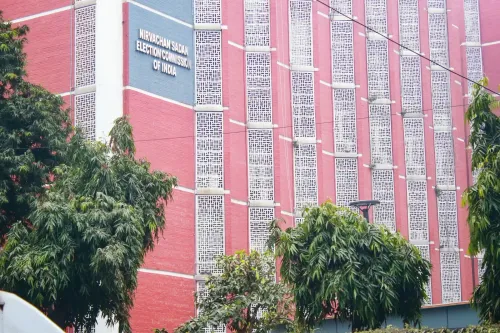
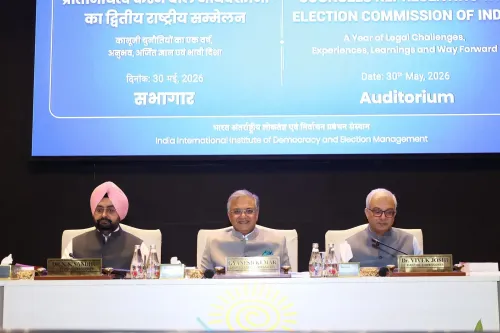
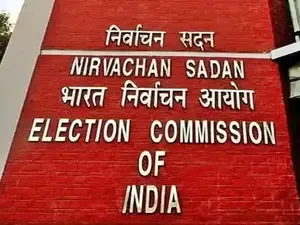
The Election Commission of India (ECI) on Saturday, 26 September moved to dispel reports of internal discord, presenting a picture of unanimity while clarifying the circumstances under which a letter was written by its functionaries to the Cabinet Secretary. The clarification comes amid a widening controversy over alleged differences within the three-member poll panel over key decisions, including those relating to the Special Intensive Revision (SIR) of electoral rolls in Delhi.
What the ECI Said About the Letter
The commission stated that the letter to the Cabinet Secretary was not connected to any policy matter or the IT division of the Commission. “The letter to the Cabinet Secretary was not related to any policy matter of the Commission or IT division but related to the working of an officer on deputation to ECI,” the ECI said in an official statement.
The commission further clarified that work redistribution orders issued by a concerned officer were never actually put into effect following directions from the two Commissioners, and that oversight of the IT division by the Chief Election Commissioner (CEC) was never withdrawn.
The Allegations That Triggered the Row
Reports had earlier alleged that Election Commissioners S.S. Sandhu and Vivek Joshi wrote to the Cabinet Secretary claiming they were kept in the dark over at least 14 decisions taken by the Commission over the past 10 months. According to those reports, the two commissioners had also repeatedly questioned Chief Election Commissioner Gyanesh Kumar over the integrity of the voter database and the security of electoral rolls.
Notably, politicians backing the two Election Commissioners argued that the three-member body is designed to function with the CEC as ‘first among equals’ rather than as the senior-most authority — with decisions expected to be taken unanimously wherever possible.
Steps Announced to Improve Transparency
In the same statement issued on Saturday, the ECI announced several procedural reforms aimed at greater transparency in its functioning. The commission said agenda papers would henceforth be circulated in advance for all Commission meetings, and minutes would be issued after each sitting.
The body also said that Annual Performance Appraisal Reports of all officers would be completed by 31 December every year, and that the Commission’s approval would be required for officers’ foreign trips. “All directions issued by the Commissioners to the officers of the Commission shall be meticulously complied with,” the ECI added.
Political Fallout
The alleged rift within the ECI has triggered a sharp political reaction. The Indian National Congress (Congress) and other Opposition parties announced nationwide protests spanning 26 September to 2 October, linking the dispute to broader concerns about the commission’s independence and the credibility of the electoral process. This is the most publicly visible internal tension at the ECI in recent memory, coming at a particularly sensitive time given the SIR exercise in Delhi.
What Happens Next
The ECI’s statement is likely to face scrutiny from Opposition parties, who are unlikely to accept the clarification at face value given the scale of their protests. The commission’s newly announced transparency measures — advance agendas, published minutes, timely appraisals — will be closely watched as a test of whether the procedural commitments translate into practice. How the SIR process in Delhi proceeds amid this backdrop will be a bellwether for public confidence in the poll body.
Point of View
Procedural tweaks like advance agendas will not resolve it; the structural question of whether the CEC’s authority crowds out the other two members remains unanswered. The timing — with the SIR exercise in Delhi already under political scrutiny — adds weight to calls for a credible, independent account of what actually happened inside the Commission.
NationPress
26 Sept 2026
Frequently Asked Questions
What was the ECI’s letter to the Cabinet Secretary about?
The ECI clarified on 26 September that the letter was not related to any policy matter or the Commission’s IT division, but concerned the working of an officer on deputation to the ECI. The commission said work redistribution orders by the officer were never implemented after directions from the two commissioners.
What did reports allege about the Election Commission’s internal differences?
Reports alleged that Election Commissioners S.S. Sandhu and Vivek Joshi wrote to the Cabinet Secretary claiming they were excluded from at least 14 decisions over 10 months. They reportedly also raised concerns about voter database integrity and the security of electoral rolls with Chief Election Commissioner Gyanesh Kumar.
What transparency measures has the ECI announced?
The ECI said it will circulate agenda papers in advance and issue minutes for all Commission meetings going forward. It also committed to completing Annual Performance Appraisal Reports of all officers by 31 December each year and requiring Commission approval for officers’ foreign trips.
Why are Opposition parties protesting over the ECI row?
The Congress and other Opposition parties announced nationwide protests from 26 September to 2 October, linking the alleged internal rift to broader concerns about the commission’s independence and the credibility of the electoral process, particularly the SIR exercise in Delhi.
What is the SIR and why does it matter in this context?
The Special Intensive Revision (SIR) is a process to update and verify electoral rolls. The ECI took several unanimous decisions about SIR in Delhi on Saturday, but the exercise has drawn heightened scrutiny given the reported internal disagreements among commissioners over the integrity of the voter database.