Election Commission extends SIR deadlines in Andhra Pradesh, Meghalaya
Synopsis
The Election Commission of India has extended the Special Intensive Revision deadlines in Andhra Pradesh and Meghalaya for the second time, citing a backlog of pending hearings and poor citizen response. Final electoral rolls will now be published on 16 October in Andhra Pradesh and 26 October in Meghalaya — a delay that underscores persistent challenges in achieving comprehensive voter registration.
Key Takeaways
The Election Commission of India extended SIR timelines in Andhra Pradesh and Meghalaya on 30 September 2026 .
Deadline for disposal of claims and objections extended to 10 October 2026 .
Final electoral rolls in Andhra Pradesh to be published on 16 October 2026 ; in Meghalaya on 26 October 2026 .
This is the second extension since the original deadline of 20 August 2026 , driven by low citizen response and pending applications in Forms 6, 7, and 8 .
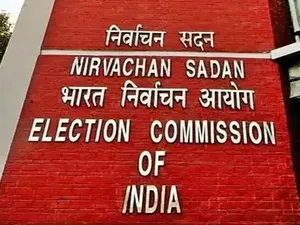
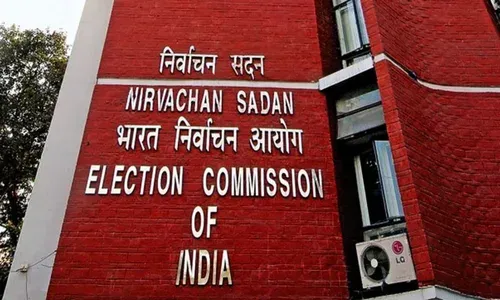
The decision was taken at Nirvachan Sadan by Chief Election Commissioner Gyanesh Kumar and Election Commissioners Dr SS Sandhu and Dr Vivek Joshi .
The Election Commission of India (ECI) on Wednesday, 30 September 2026, extended the timelines for the Special Intensive Revision (SIR) of electoral rolls in Andhra Pradesh and Meghalaya, pushing the deadline for disposal of claims and objections to 10 October 2026. The decision was taken at a high-level meeting held at Nirvachan Sadan, New Delhi, attended by Chief Election Commissioner Gyanesh Kumar and Election Commissioners Dr SS Sandhu and Dr Vivek Joshi.
Revised Schedule at a Glance
Under the updated timeline, Andhra Pradesh's final electoral rolls will now be published on 16 October 2026, a week later than the earlier deadline of 9 October 2026. In Meghalaya, the final rolls are scheduled for publication on 26 October 2026. The revision exercise uses 1 July 2026 as the qualifying date, with draft rolls having been published across all Assembly Constituencies on 31 July 2026.
Why the Deadlines Were Extended
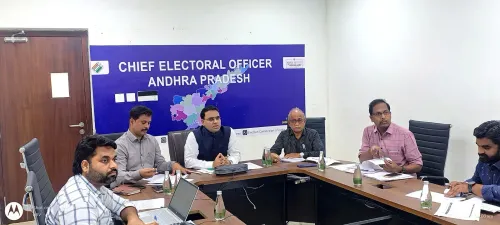
According to Andhra Pradesh Chief Electoral Officer Vivek Yadav, the ECI extended the timelines to address a backlog of hearings related to no-mapping and logical discrepancy cases in certain Assembly Constituencies, as well as pending applications received in Forms 6, 7, and 8. The Commission stated that the extension was aimed at ensuring no eligible voter is inadvertently excluded from the final electoral rolls.
Notably, this is the second extension of the filing deadline since the revision exercise began. The original last date for filing claims and objections was 20 August 2026. Following requests from political parties and District Election Officers — and citing a poor citizen response — the ECI first extended the deadline, then pushed it again to 10 September 2026, before the latest round of extensions. The disposal deadline had previously been set at 5 October 2026.
Background: What the SIR Process Involves
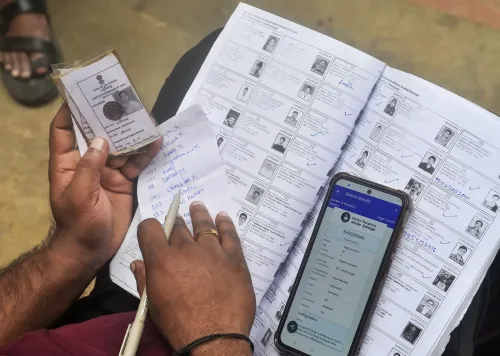
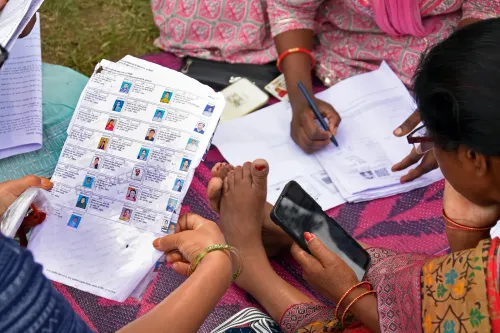
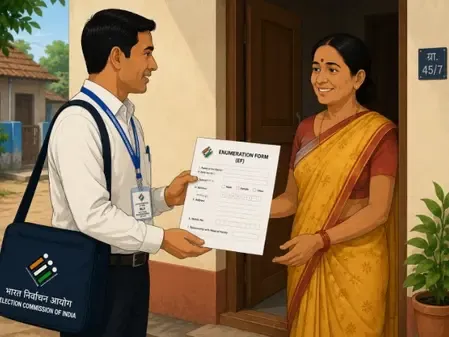
The Special Intensive Revision is a periodic electoral roll update exercise conducted by the ECI to add new voters, remove deceased or shifted electors, and correct errors. Citizens file claims and objections through Forms 6 (addition), 7 (deletion), and 8 (correction). A robust, accurate electoral roll is foundational to credible elections, making the thoroughness of this exercise a matter of democratic significance.
What Comes Next
With the revised schedule now in place, electoral officials in both states are expected to fast-track the disposal of pending cases before the 10 October cut-off. The publication of final rolls on 16 October in Andhra Pradesh and 26 October in Meghalaya will formally close the current revision cycle. Political parties and civil society observers will be watching closely to ensure that the extended window translates into broader, more inclusive electoral participation.
Point of View
Not a one-off administrative hiccup. Low citizen response to an exercise as fundamental as electoral roll revision raises questions about the ECI's ground-level communication strategy. Extending deadlines is a reasonable corrective, but without a parallel push on awareness, each extension risks becoming a routine administrative ritual rather than a genuine drive for inclusion. The backlog of no-mapping and logical discrepancy cases in certain constituencies also deserves scrutiny — these are precisely the gaps that can be exploited to keep or remove voters unfairly.
NationPress
30 Sept 2026
Frequently Asked Questions
What is the Special Intensive Revision (SIR) of electoral rolls?
The Special Intensive Revision is a periodic exercise conducted by the Election Commission of India to update electoral rolls by adding new eligible voters, removing deceased or relocated electors, and correcting errors. Citizens can file claims using Forms 6 (addition), 7 (deletion), or 8 (correction).
What are the new SIR deadlines for Andhra Pradesh and Meghalaya?
In Andhra Pradesh, the deadline for disposal of claims and objections is now 10 October 2026, with final electoral rolls to be published on 16 October 2026. In Meghalaya, the final rolls will be published on 26 October 2026.
Why did the Election Commission extend the SIR deadlines?
The ECI extended the deadlines due to a backlog of pending hearings for no-mapping and logical discrepancy cases, as well as unprocessed applications in Forms 6, 7, and 8. Poor citizen participation and requests from political parties and District Election Officers also contributed to the decision.
Is this the first time the SIR deadline has been extended?
No. This is the second extension. The original deadline for filing claims and objections was 20 August 2026. The ECI had previously extended it to 10 September 2026 before granting this latest extension, citing continued low response from electors.
Who attended the ECI meeting that approved the extension?
The meeting was held at Nirvachan Sadan, New Delhi, and was attended by Chief Election Commissioner Gyanesh Kumar and Election Commissioners Dr SS Sandhu and Dr Vivek Joshi.