ECI schedules Rajya Sabha polls for 24 seats across 10 states on June 18
Synopsis
The Election Commission has set June 18 as polling day for 24 Rajya Sabha seats spanning 10 states — including the long-vacant Jharkhand seat of the late Shibu Soren and the seat of Congress president Mallikarjun Kharge. The results could shift opposition strength in the Upper House at a politically sensitive moment.
Key Takeaways
The ECI announced biennial Rajya Sabha elections for 24 seats across 10 states on 22 May .
Polling is scheduled for 18 June 2026 , from 9 am to 4 pm ; counting begins at 5 pm the same day.
Prominent retiring members include Mallikarjun Kharge and H.D.
Deve Gowda (Karnataka) and Digvijaya Singh (Madhya Pradesh).
The Jharkhand seat of the late Shibu Soren , vacant since 4 August 2025 , will also be filled in this round.
Only violet-coloured sketch pens provided by the Returning Officer will be permitted for marking ballot papers.
The election process is scheduled to be completed by 20 June 2026 .
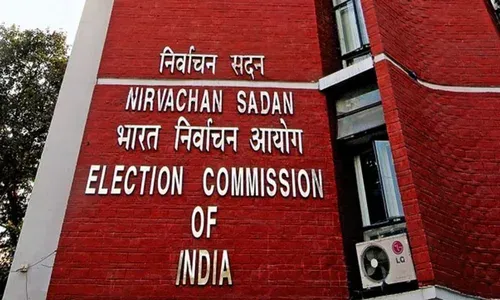
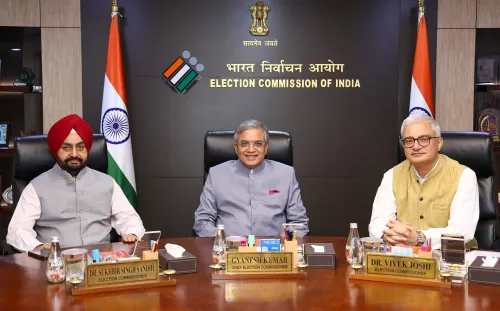
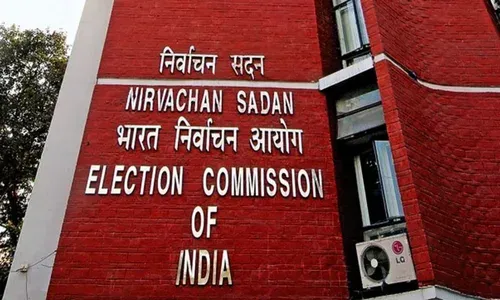
The Election Commission of India (ECI) on Friday, 22 May announced the schedule for biennial elections to the Rajya Sabha, covering 24 seats across 10 states that fall vacant due to member retirements in June and July 2026. The polls are set for 18 June, marking one of the larger upper-house election exercises of the year.
Full Election Schedule
According to the schedule released by the ECI, election notifications will be issued on 1 June. The last date for filing nominations is 8 June, with scrutiny of nominations on 9 June. Candidates may withdraw their nominations until 11 June.
Polling will be conducted on 18 June from 9 am to 4 pm, with counting of votes commencing at 5 pm on the same day. The entire election process is scheduled to conclude by 20 June.
States and Seats Involved
The elections will cover seats from Andhra Pradesh, Gujarat, Jharkhand, Madhya Pradesh, Manipur, Meghalaya, Rajasthan, Arunachal Pradesh, Karnataka, and Mizoram. Among the prominent figures whose terms are ending are Digvijaya Singh from Madhya Pradesh, and H.D. Deve Gowda and Mallikarjun Kharge from Karnataka.
Notably, one of the 24 seats — previously held by the late Shibu Soren from Jharkhand — has remained vacant since 4 August 2025 and will also be filled through this round. Other retiring members include Ayodhya Rami Reddy Alla, Pilli Subhaschandra Bose, Rambhai Harjibhai Mokariya, George Kurian, Maharaja Sanajaoba Leishemba, Wanweiroy Kharlukhi, Neeraj Dangi, Rajendra Gehlot, Nabam Rebia, Iranna Kadadi, and K. Vanlalvena, among others.
Voting Process and Ballot Rules
The Commission has specified that only integrated violet-coloured sketch pens of pre-fixed specifications, supplied by the Returning Officer, will be permitted for marking preferences on ballot papers. No other writing instrument will be allowed during the voting process — a standard safeguard against ballot tampering in Rajya Sabha elections.
The ECI also confirmed that adequate measures will be taken to ensure free and fair elections, including the appointment of observers for close monitoring of the process.
Why These Elections Matter
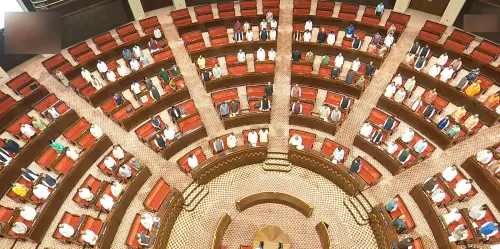
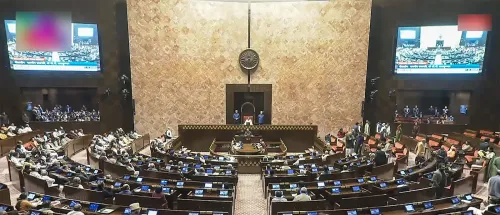
The Rajya Sabha, constitutionally designated the Council of States, is the Upper House of Parliament. Members are elected by elected representatives of the states and union territories through a system of proportional representation — meaning the composition of state assemblies directly determines the outcome. With high-profile retirements including that of Congress president Mallikarjun Kharge, the results could have implications for the opposition's numerical strength in the Upper House. This comes amid an already closely watched legislative session, where the ruling alliance and the opposition have clashed on several key bills.
Point of View
10 states — obscure the real political stakes. The retirement of Congress president Mallikarjun Kharge from the Rajya Sabha forces a high-visibility re-election contest at a time when the opposition bloc's Upper House arithmetic is already under pressure. The filling of the late Shibu Soren's Jharkhand seat, vacant for nearly a year, adds another dimension: the Jharkhand Mukti Morcha's hold on that seat will be tested against a changed state assembly composition. Biennial Rajya Sabha elections rarely make front pages, but this round's cast of retiring members makes it an exception worth watching closely.
NationPress
20 Sept 2026
Frequently Asked Questions
When is the Rajya Sabha election 2026 scheduled?
Polling for the Rajya Sabha biennial elections is scheduled for 18 June 2026, from 9 am to 4 pm, with vote counting beginning at 5 pm the same day. The entire process is set to conclude by 20 June 2026.
Which states are covered in the June 2026 Rajya Sabha elections?
The elections cover 24 seats across 10 states: Andhra Pradesh, Gujarat, Jharkhand, Madhya Pradesh, Manipur, Meghalaya, Rajasthan, Arunachal Pradesh, Karnataka, and Mizoram.
Which prominent leaders are retiring from the Rajya Sabha in 2026?
Among the prominent members whose terms are ending are Congress president Mallikarjun Kharge and H.D. Deve Gowda from Karnataka, and Digvijaya Singh from Madhya Pradesh. The seat of the late Shibu Soren from Jharkhand, vacant since 4 August 2025, will also be filled.
What is the nomination and withdrawal timeline for the Rajya Sabha polls?
Notifications will be issued on 1 June, with the last date for nominations on 8 June. Scrutiny of nominations is on 9 June, and the deadline for withdrawal of candidatures is 11 June 2026.
How are Rajya Sabha members elected?
Rajya Sabha members are elected by elected representatives of the states and union territories through a system of proportional representation — meaning the ruling party or coalition in a state assembly largely determines the outcome for that state's seats.