PM Modi at Bharat Agriculture Conference: Filling granaries no longer enough
Synopsis
Modi's message at the Bharat Agriculture Conference 2026 was blunt: a decade of 4% agricultural growth and declining rural poverty is a foundation, not a finish line. The granary model of measuring farm success is outdated — and without market integration, climate resilience and technology adoption, India's developed-nation ambitions remain structurally incomplete.
Key Takeaways
PM Narendra Modi addressed the Bharat Agriculture Conference 2026 at Bharat Mandapam, New Delhi on 12 November 2026 .
Modi said previous governments measured success by full granaries — an approach he called insufficient for today's realities.
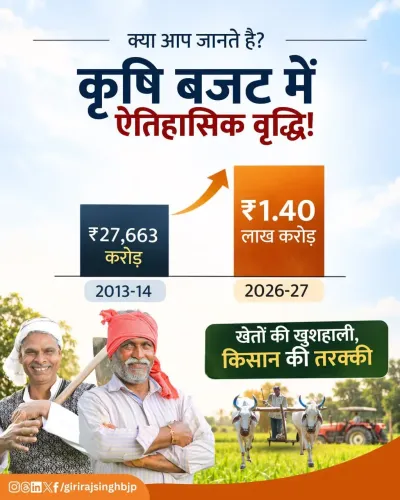
India's agricultural growth rate has exceeded 4 per cent per year over the last decade, the highest sustained rate since Independence, according to the government.
The two-day conference brought together over 2,000 farmers , policymakers, industry leaders and global experts under the theme 'Smart Kisan, Viksit Bharat' .
Modi linked agriculture to India's cultural identity, citing Bihu , Onam , Baisakhi and Chhath as festivals rooted in farming traditions.
Agriculture is identified as a key pillar of the Saptadhara framework Modi outlined on Independence Day .
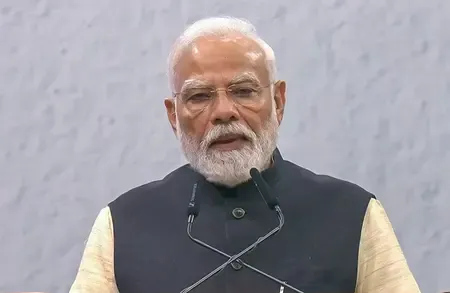
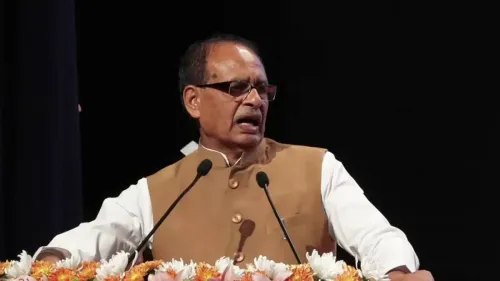
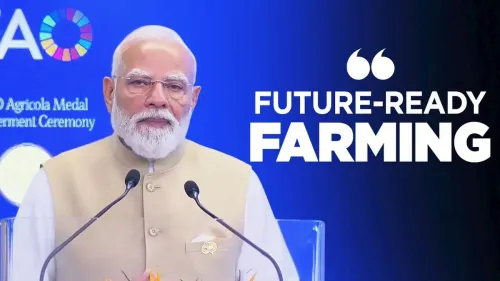
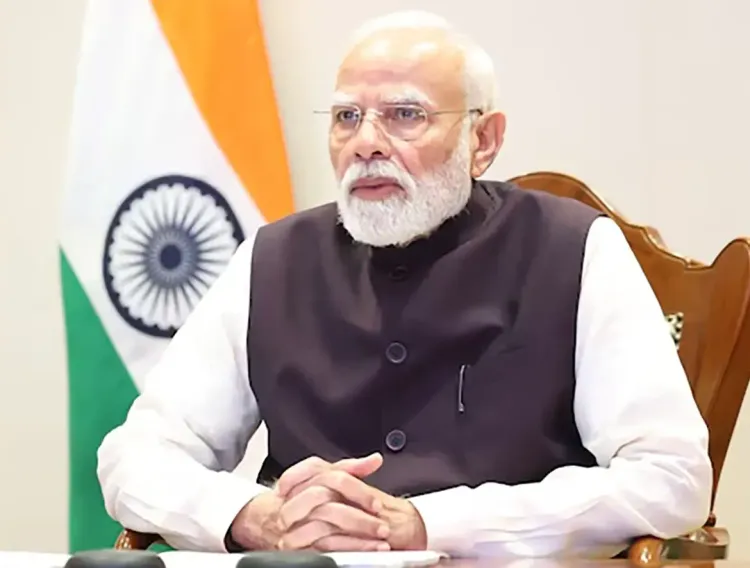
Prime Minister Narendra Modi on Thursday, 12 November 2026 declared that previous governments were content to measure agricultural success by how full the country's granaries were — but that benchmark is now obsolete. Speaking at the Bharat Agriculture Conference 2026, organised by the India Today Group at Bharat Mandapam, New Delhi, Modi argued that evolving markets, shifting weather patterns and rapid technological change demand a fundamentally different approach to farming.
Key Remarks from the Prime Minister
Modi stressed that national progress is impossible without modernising agriculture and genuinely empowering farmers. He recalled the Saptadhara — the seven streams of national strength — he had outlined from the Red Fort on Independence Day, noting that agriculture forms a central pillar of that vision. 'Simply ensuring full grain warehouses cannot be the end goal,' he said. Farmers must move beyond subsistence and become true stakeholders in India's development journey.
Linking farming to India's cultural identity, Modi observed that major festivals — Bihu, Onam, Baisakhi, and the ongoing Chhath celebrations — are deeply rooted in agricultural cycles. 'Farming is not merely an economic activity but an integral part of India's culture, traditions and the foundation of its social life,' he said.
A Decade of Agricultural Growth
Modi cited data showing that India's agricultural growth rate has exceeded 4 per cent over the last decade — a level of sustained expansion the sector had not seen since Independence. He also noted a sharp decline in rural poverty during the same period, crediting policy focus and direct-benefit transfers as contributing factors. Critics and independent economists, however, have noted that farm incomes and rural wages have not always kept pace with headline growth rates, pointing to structural gaps that persist despite the numbers.
The Conference and Its Agenda
The two-day conference convened more than 2,000 farmers, policymakers, industry representatives and global experts under the theme 'Smart Kisan, Viksit Bharat' (Smart Farmer, Developed India). The gathering was designed to map out how Indian agriculture can integrate precision farming, digital market linkages and climate-resilient practices. This comes amid growing concern among farm groups over price volatility, insufficient cold-chain infrastructure, and the uneven penetration of agricultural technology in smallholder communities.
What Needs to Change, According to Modi
The Prime Minister's core argument was that the sector must adapt to new market opportunities, changing climatic conditions, and technological advances. He called for agriculture to become modern, resilient and remunerative — framing it as a core requirement for India's ambition of becoming a developed nation. Notably, the speech echoed themes from earlier farm-sector announcements but placed sharper emphasis on market integration and technology adoption rather than input subsidies or procurement price guarantees.
What Comes Next
The conference is expected to produce a set of recommendations for policymakers on digital agriculture, agri-tech investment and market reforms. With the farm sector employing roughly half of India's workforce, the outcomes of such deliberations carry significant political and economic weight. How the government translates the Prime Minister's vision into measurable policy shifts will be closely watched by farmer organisations and opposition parties alike.
Point of View
Record stocks, record growth — has hit a credibility ceiling with farmers. A 4% agricultural growth rate over ten years is statistically impressive, but farm incomes and rural wages tell a more complicated story. The pivot toward market integration and agri-tech is strategically sound, but it has been promised before: successive governments have announced digital market reforms (eNAM dates to 2016) with limited transformation at the smallholder level. The real accountability question is whether the 'Smart Kisan' agenda will be backed by infrastructure spending and regulatory reform, or remain a conference theme.
NationPress
12 Nov 2026
Frequently Asked Questions
What did PM Modi say at the Bharat Agriculture Conference 2026?
PM Modi said that filling the country's granaries can no longer be the sole measure of agricultural success. Speaking at Bharat Mandapam on 12 November 2026, he called on the sector to adapt to new markets, climate change and technology so that farmers become genuine stakeholders in India's development.
What is the theme of the Bharat Agriculture Conference 2026?
The two-day conference is organised by the India Today Group under the theme 'Smart Kisan, Viksit Bharat' (Smart Farmer, Developed India). It brought together over 2,000 farmers, policymakers, industry representatives and global experts.
What is India's agricultural growth rate over the last decade?
According to the government, India's agricultural sector has grown at over 4 per cent annually for the past decade — the highest sustained growth rate since Independence. Rural poverty has also declined sharply during this period, the Prime Minister noted.
What is the Saptadhara framework mentioned by PM Modi?
Saptadhara refers to the seven streams of national strength that PM Modi outlined in his Independence Day address from the Red Fort. Agriculture is identified as one of the key pillars of this framework for India's development.
Why does PM Modi say previous governments fell short on agriculture?
Modi argued that earlier administrations were content to measure farm-sector success through granary fill levels, overlooking structural shifts in markets, technology and weather patterns. He said these evolving realities were ignored for too long, limiting farmers to subsistence rather than enabling them to participate in economic growth.