FM Sitharaman: SIDBI must become market maker for MSMEs
Synopsis
Finance Minister Nirmala Sitharaman on 25 May 2026 called on SIDBI to move beyond lending and become a market maker and risk-sharing partner for India's MSMEs and startups, urging it to deepen the venture capital debt market for patient, flexible capital access.
Key Takeaways
Finance Minister Nirmala Sitharaman directed SIDBI to expand its role from lender to market maker and risk-sharing partner for MSMEs and startups.
She specifically called on SIDBI to deepen the venture capital debt market to give innovative enterprises access to patient, flexible and growth-oriented capital.
SIDBI was established in 1990 as the apex refinancing and development institution for the MSME sector under an Act of Parliament.
The remarks build on a decade-long policy arc that includes the Startup India programme ( 2016 ) and the Rs 3 lakh crore Atmanirbhar Bharat MSME credit facility ( 2020 ).
Statutory or regulatory changes may be required to formally grant SIDBI market-making functions under its founding legislation.
The directive was delivered in Mumbai , India's financial capital, underscoring the institutional significance of the message.
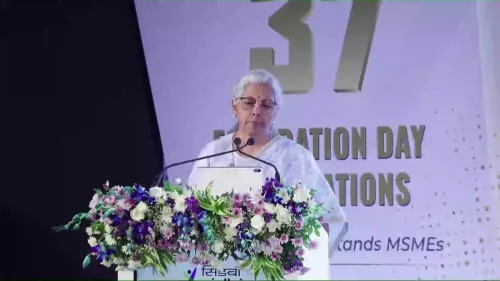
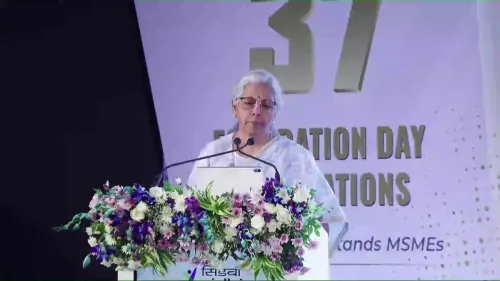
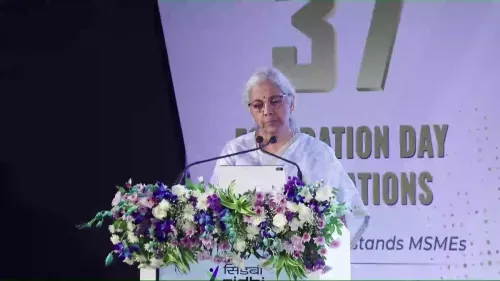
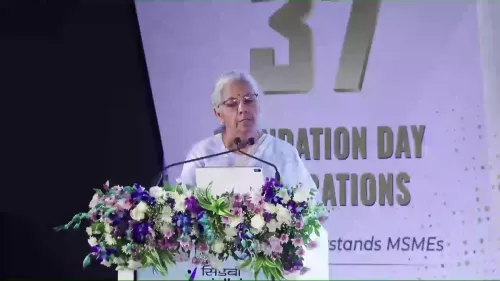
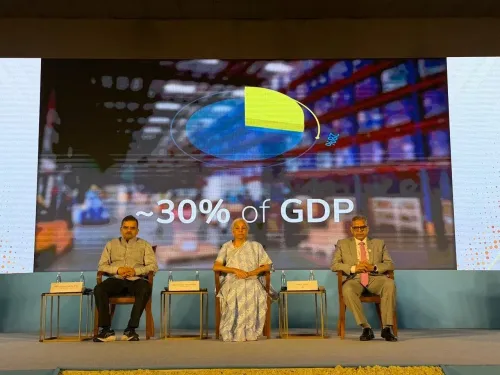
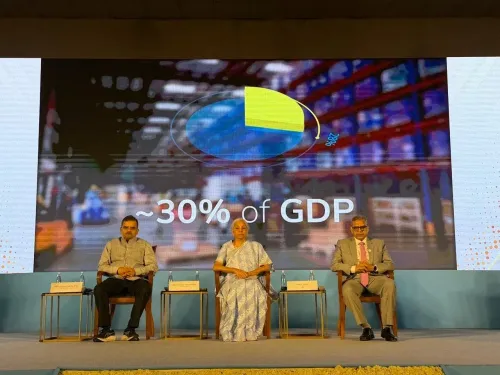
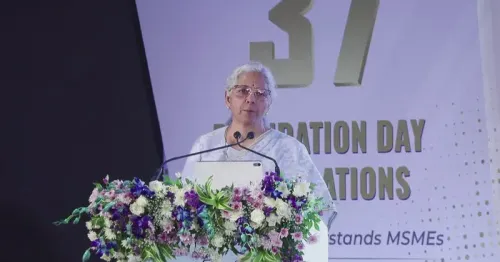
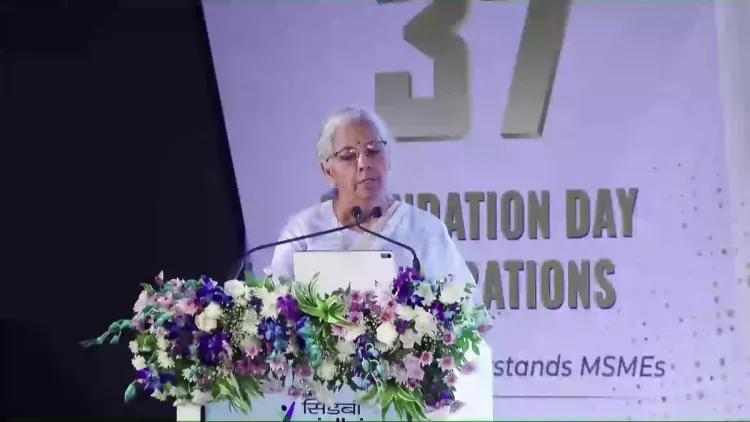
Union Finance Minister Nirmala Sitharaman on Monday, 25 May 2026, called on SIDBI to move well beyond its traditional lending mandate and assume the role of a market maker and risk-sharing partner for India's MSME and startup ecosystem, making the remarks at an event in Mumbai.
Context
Speaking in Mumbai, Sitharaman said: 'SIDBI's role must now expand from being only a lender to becoming a market maker and risk-sharing partner for India's MSME and startup ecosystem.' She further directed the institution to 'deepen the venture capital debt market for startups so that innovative enterprises have access to patient, flexible and growth-oriented capital.'
The remarks, shared as part of a thread on her official X account, signal a clear policy push to reposition one of India's most consequential development finance institutions.
Policy Backdrop
SIDBI — the Small Industries Development Bank of India — was established under an Act of Parliament in 1990 as the apex refinancing and development body for the MSME sector. Over three decades it has acted as a refinancing agency, a conduit for credit guarantee schemes, and an implementer of large government packages, including the Rs 3 lakh crore collateral-free credit facility rolled out under the Atmanirbhar Bharat package in 2020 for stressed MSMEs.
The Startup India programme, launched in 2016, had already broadened the policy canvas by offering tax benefits, easier compliance and a Fund of Funds channelled partly through SIDBI. Sitharaman's latest directive pushes that logic further: from disbursing credit to actively shaping the market architecture around venture debt.
Stakeholders and Impact
The directive has direct implications for MSMEs, which number in the crores and remain the backbone of Indian employment and exports, as well as for the fast-growing startup ecosystem that has increasingly sought instruments beyond equity — notably venture debt — to fund growth without dilution.
Venture debt providers, both banks and non-banking finance companies, stand to benefit from a more active SIDBI presence that could offer risk-sharing structures, partial guarantees, or secondary-market liquidity. For startups, the promise of 'patient, flexible and growth-oriented capital' addresses a persistent gap between early-stage equity rounds and the working-capital products traditional lenders offer.
Successive governments have sought to move MSME financing beyond plain term loans toward blended instruments and market-based risk sharing. Sitharaman's remarks represent the sharpest articulation yet of that direction at the level of SIDBI's institutional mandate.
What's Next
Analysts and industry bodies will now watch for any statutory or regulatory amendments needed to formally vest market-making functions in SIDBI, given that its current mandate is defined by its founding legislation. References to new instruments or an expanded SIDBI charter in the next Union Budget or in SIDBI's annual report will be closely tracked.
If the Finance Ministry follows through with structural changes, it could mark the most significant redefinition of SIDBI's role since its inception — with lasting consequences for how innovation-driven enterprises in India access growth capital.
Point of View
Flexible and growth-oriented capital,' she is signalling that the gap between equity-stage startups and conventional MSME lenders must be bridged institutionally, not left to private markets alone. This fits a broader pattern in which SIDBI has been progressively layered with new mandates each policy cycle, but a formal market-making role would require legislative backing and is likely to feature in the next Budget cycle. The political calculus is clear: with MSMEs and startups both key electoral and economic constituencies, repositioning SIDBI as a risk partner rather than a last-resort lender strengthens the government's innovation-economy narrative ahead of the next major fiscal statement.
NationPress
9 Oct 2026
Frequently Asked Questions
What did Nirmala Sitharaman say about SIDBI in May 2026?
Finance Minister Nirmala Sitharaman said SIDBI must expand from being only a lender to becoming a market maker and risk-sharing partner for India's MSME and startup ecosystem, and should deepen the venture capital debt market for startups.
What is SIDBI and what does it do?
SIDBI, the Small Industries Development Bank of India, was established in 1990 as the apex refinancing and development institution for the MSME sector. It refinances banks and NBFCs that lend to MSMEs and implements government credit schemes including guarantee programmes.
What is venture debt and why does it matter for Indian startups?
Venture debt is a form of debt financing for startups that complements equity funding, allowing founders to raise capital without further diluting ownership. It is particularly valuable between equity rounds and for growth-stage companies that may not qualify for traditional bank loans.
How has SIDBI's role changed over the years?
SIDBI began as a refinancing agency in 1990 and has since been given progressively broader mandates, including implementing the Rs 3 lakh crore Atmanirbhar Bharat MSME credit facility in 2020 and managing a Fund of Funds under the Startup India programme launched in 2016.
What changes are needed for SIDBI to become a market maker?
Analysts expect that statutory or regulatory amendments to SIDBI's founding legislation may be required to formally vest market-making and risk-sharing functions in the institution. Any such changes are likely to be signalled in a future Union Budget or through a dedicated policy announcement.