Sitharaman Launches SIDBI Schemes for MSME Credit, Tech
Synopsis
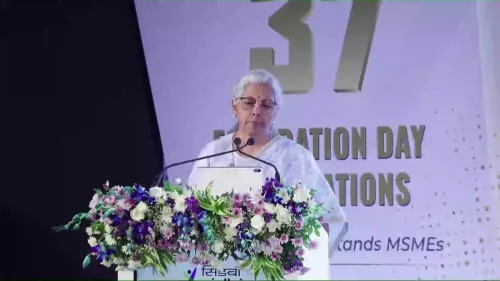
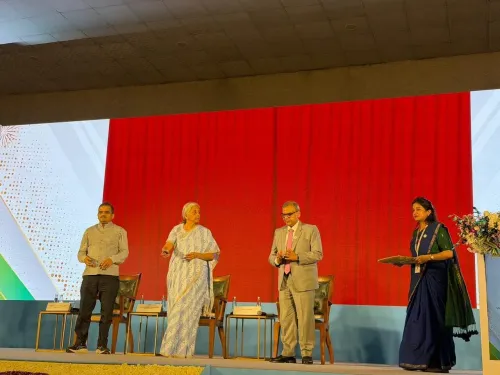
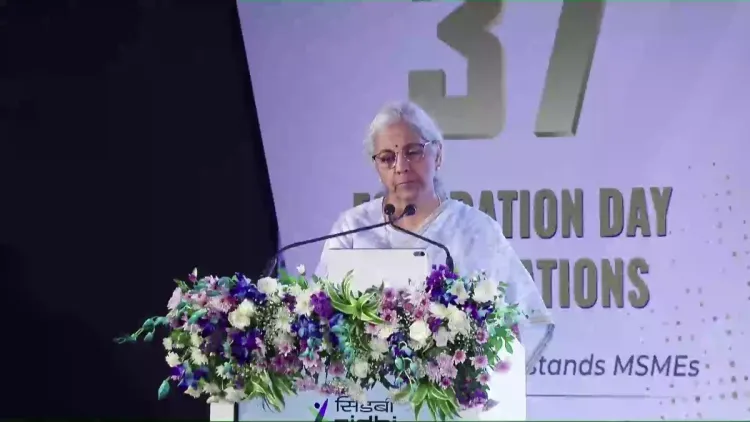
Union Finance Minister Nirmala Sitharaman attended SIDBI product launches in Mumbai on 25 May 2026, highlighting new tailor-made schemes covering easier credit, better machinery, modern technology, rural enterprise support and stronger market linkages for India's MSME sector.
Key Takeaways
Nirmala Sitharaman attended SIDBI product launches in Mumbai on 25 May 2026 .
New SIDBI schemes target five MSME gaps: credit access, machinery, technology, rural enterprise support and market linkages.
The minister described the products as 'specific tailor-made approaches' for MSME beneficiaries.
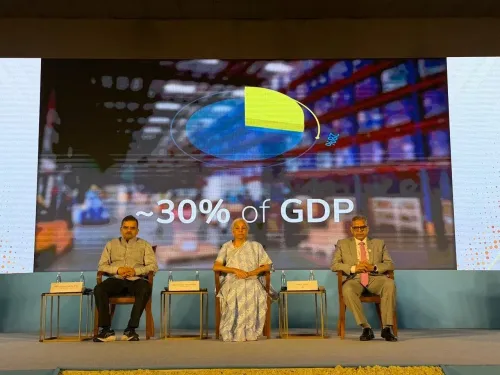
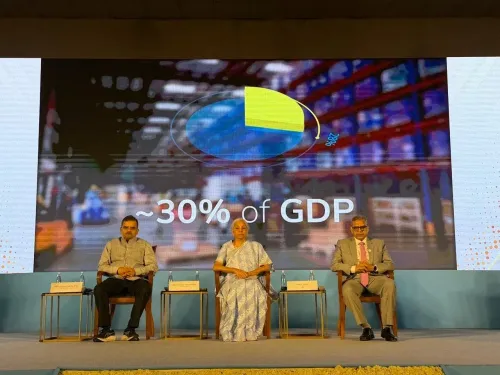
MSMEs contribute roughly 30 percent of India's GDP and over 40 percent of exports .
SIDBI has been the apex MSME financing institution since 1990 , backed by the SIDBI Act, 1989.
Exact financial outlays and eligibility criteria for the new schemes are yet to be formally notified.
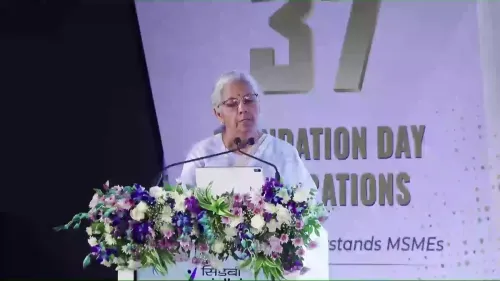
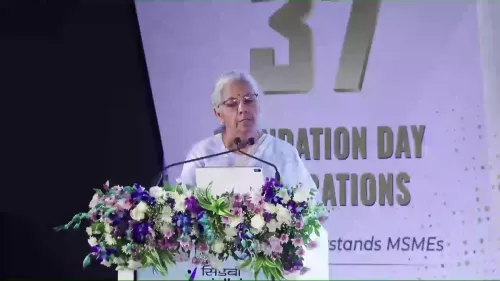
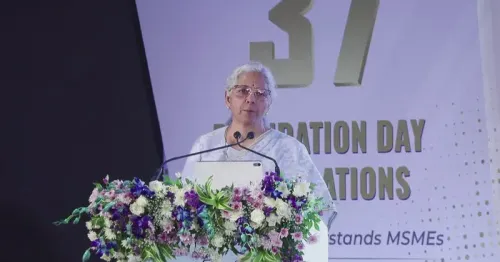
Union Finance Minister Nirmala Sitharaman attended a series of product launches by the Small Industries Development Bank of India (SIDBI) in Mumbai on Monday, 25 May 2026, describing the new offerings as tailored responses to the real and persistent needs of micro, small and medium enterprises across the country.
Context
Speaking at the event, Sitharaman said the launches were designed around five specific gaps in the MSME ecosystem: easier access to credit, better machinery, modern technology adoption, rural enterprise support, and stronger market linkages. 'Today's launches by SIDBI are tailored to address the real needs of the MSMEs,' she stated, adding that SIDBI had 'come about with some specific tailor-made approaches which can help the beneficiaries or the MSMEs.'
The remarks signal a continued emphasis by the Finance Ministry on using SIDBI as the primary institutional channel for delivering targeted support to a sector that accounts for roughly 30 percent of India's GDP and over 40 percent of its exports.
Policy Backdrop
SIDBI was established under the SIDBI Act, 1989 and began operations in 1990 as the apex institution for financing, promotion and development of the small-scale sector. Over the decades it has been the vehicle for multiple government interventions, from refinance windows to direct lending and cluster-based development programmes.
The Credit Guarantee Fund Trust for Micro and Small Enterprises (CGTMSE), launched in 2000, remains a cornerstone of collateral-free credit access for smaller units. More recently, the Atmanirbhar Bharat package of May 2020 channelled a Rs 3 lakh crore collateral-free Emergency Credit Line Guarantee Scheme and a Rs 20,000 crore subordinate debt facility specifically through MSME-focused institutions.
The new SIDBI products announced on 25 May 2026 appear to extend this lineage, though exact scheme names, financial outlays and operational guidelines are yet to be formally notified.
Stakeholders and Impact
The primary beneficiaries identified by Sitharaman include both urban MSME units seeking machinery upgrades and technology integration, and rural entrepreneurs who have historically found formal credit channels difficult to access. Market linkage support — the fifth pillar she highlighted — addresses a long-standing structural weakness where small producers struggle to connect with larger supply chains or export markets.
Industry bodies representing MSMEs have repeatedly flagged that credit availability, while improving, remains uneven across geographies, with rural and semi-urban enterprises often falling outside the reach of mainstream banking products. SIDBI's tailor-made approach, as described by the minister, is intended to close that gap.
What's Next
Detailed roll-out timelines, eligibility criteria and disbursement targets for the newly launched SIDBI products are expected to be released by the institution in the coming weeks. Analysts will watch whether these schemes are referenced in the next Union Budget speech or incorporated into the MSME Ministry's annual action plan as formal programme commitments. The Mumbai launches could also set the template for similar SIDBI events in other financial hubs as the government pushes deeper penetration of formal finance into the MSME sector.
Point of View
' Sitharaman is reinforcing the government's narrative that structural credit gaps, not just liquidity, are being addressed. The five-pillar framing — credit, machinery, technology, rural support and market linkages — maps closely onto the weaknesses that MSME surveys have consistently flagged, suggesting these products were designed with some policy rigour. How quickly disbursements scale will determine whether this event marks a genuine inflection point or remains a signalling exercise.
NationPress
16 Sept 2026
Frequently Asked Questions
What did Nirmala Sitharaman launch at SIDBI in Mumbai?
On 25 May 2026, Finance Minister Nirmala Sitharaman attended a series of SIDBI product launches in Mumbai aimed at providing MSMEs with easier credit, better machinery, modern technology, rural enterprise support and stronger market linkages.
What is SIDBI and what does it do for MSMEs?
SIDBI, the Small Industries Development Bank of India, is the apex financial institution for the MSME sector, established under the SIDBI Act of 1989. It provides refinance, direct lending, credit guarantees and developmental support to micro, small and medium enterprises.
How do the new SIDBI schemes help rural entrepreneurs?
The new SIDBI products specifically include rural enterprise support as one of their five focus areas, aiming to bring formal credit and market linkage assistance to entrepreneurs in rural and semi-urban areas who have historically been underserved by mainstream banking.
What is the MSME sector's contribution to India's economy?
India's MSME sector contributes roughly 30 percent of GDP and accounts for over 40 percent of the country's exports, making it a critical pillar of economic growth and employment.
What should MSMEs watch for after the SIDBI launch event?
MSMEs should watch for formal notifications from SIDBI detailing eligibility criteria, application processes and disbursement timelines for the newly launched products, which are expected to be released in the weeks following the 25 May 2026 event.