Kerala renames mental hospitals as Happiness and Wellness Centres in reform push

Synopsis
Kerala's three government mental hospitals — once described by the High Court as a 'horror place' — are being rechristened Happiness and Wellness Centres. The rename is backed by plans for physical upgrades, prevention-focused services, and stigma reduction. It is one of the most visible health reforms since the new government took office 100 days ago, and comes directly in response to judicial pressure.
Key Takeaways
Kerala's government-run mental health institutions in Thiruvananthapuram , Thrissur , and Kozhikode will be renamed Happiness and Wellness Centres .
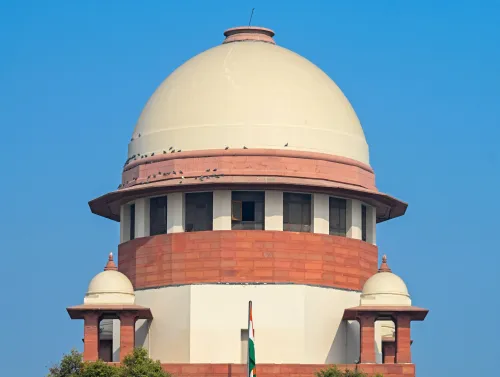
The Kerala High Court , comprising Justice Devan Ramachandran and Justice Basant Balaji , described conditions at one centre as a 'horror place' and pushed the government to act.
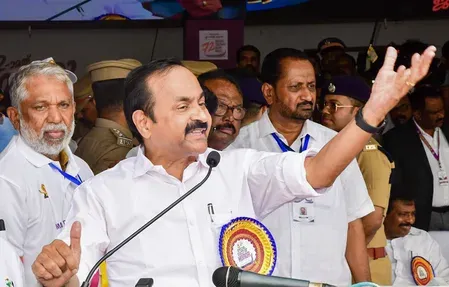
Muraleedharan confirmed the name change on 2 September , stressing it would go beyond signboards.
The revamped centres are expected to offer counselling, mental health awareness, stress management, and lifestyle interventions — shifting focus to prevention.
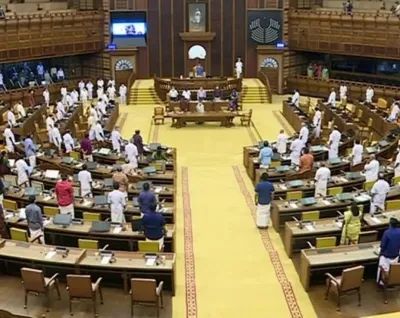
The reform comes as the government marks 100 days in office and frames its health agenda around rebuilding a system it says it inherited in poor condition.
Kerala is set to rename its three government-run mental health institutions in Thiruvananthapuram, Thrissur, and Kozhikode as Happiness and Wellness Centres, marking a significant shift in how the state approaches mental healthcare. The move, announced on Wednesday, 2 September, signals an intent to move beyond diagnosis and medication toward prevention, counselling, and emotional well-being.
The Court Intervention That Triggered Change
The reform push follows a pointed intervention by the Kerala High Court, where a division bench comprising Justice Devan Ramachandran and Justice Basant Balaji personally inspected the three centres. The bench described conditions at one of the facilities as a 'horror place' and raised concerns about the secrecy surrounding such institutions. The court subsequently pulled up the state government for failing to fully implement its earlier directions to improve the facilities. That judicial pressure has now translated into concrete policy action.
What the Renamed Centres Will Offer
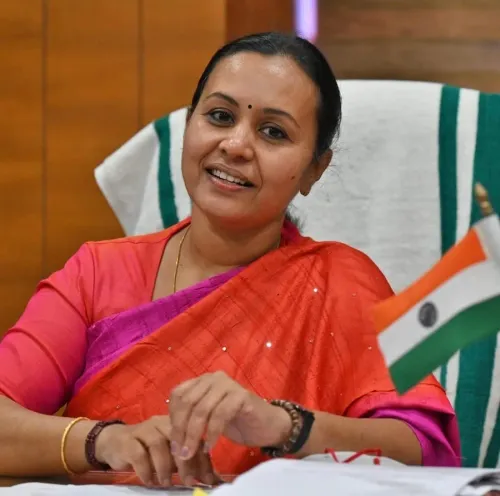
According to Health Minister K. Muraleedharan, the name change is intended to be more than cosmetic. The government plans to upgrade physical infrastructure, improve the overall environment, and deploy adequate staff across all three centres. Beyond treatment, the proposed Happiness and Wellness Centres are expected to offer counselling services, mental health awareness programmes, stress management sessions, and lifestyle interventions. The emphasis on prevention and early support marks a departure from the existing model, which is largely centred on managing acute psychiatric illness after it has developed.
Tackling Stigma Through Identity
A central objective of the rebranding is to reduce the stigma that deters many people from seeking help. For a large section of the population, the phrase 'mental hospital' carries associations of isolation and fear — associations that can delay help-seeking until a crisis point. A more welcoming identity, officials argue, could encourage individuals to approach services at an earlier, more manageable stage of distress. This could make a measurable difference in outcomes, particularly for those dealing with stress, anxiety, or mild depression who currently avoid institutional care altogether.
Government's Broader Health Agenda
Minister Muraleedharan stated that the government's decisions in the health sector were being taken after directly assessing people's difficulties and the condition of hospitals. The announcement comes as the government marks 100 days in office, during which it has framed its health agenda around repairing what it describes as a system inherited in a badly damaged state. The transformation of the mental health centres is positioned as one of the most visible reforms of this period — replacing an image of institutional isolation with one centred on care, dignity, and community well-being.
What Happens Next
The government has indicated that physical upgrades, staffing improvements, and programme rollouts at the three centres will follow the formal renaming. The Kerala High Court, which has been actively monitoring conditions at these institutions, is expected to continue its oversight. Whether the renamed centres can deliver substantive change in service quality — and not merely a new signboard — will be closely watched by mental health advocates and the judiciary alike.
Point of View
The part most likely to substitute for it. Kerala's mental health facilities have suffered from chronic underfunding and neglect that predates any single government, and a new signboard will not fix staffing shortages or crumbling infrastructure. The High Court's description of one centre as a 'horror place' is a damning indictment, and the fact that judicial visits were required to force action raises questions about routine administrative oversight. The real test is whether the Happiness and Wellness Centre model delivers measurable improvements in patient dignity and service access — outcomes that advocates and the court should insist on tracking, not just the optics of a rebrand.
NationPress
2 Sept 2026
Frequently Asked Questions
Why is Kerala renaming its mental hospitals?
Kerala is renaming its three government mental health centres as Happiness and Wellness Centres to reduce stigma, shift focus toward prevention and emotional well-being, and move away from a purely treatment-after-crisis model. The decision follows a Kerala High Court intervention that described conditions at one facility as a 'horror place' and directed the government to improve standards.
Which centres are being renamed and what will they be called?
The mental health institutions in Thiruvananthapuram, Thrissur, and Kozhikode will all be renamed Happiness and Wellness Centres. The government has said the change is intended to go beyond new signboards, with upgrades to physical facilities, staffing, and services planned.
What services will the new Happiness and Wellness Centres offer?
The centres are expected to offer counselling, mental health awareness programmes, stress management sessions, and lifestyle interventions, in addition to existing psychiatric care. The aim is to make services accessible to people at earlier stages of distress, not only those with acute mental illness.
What role did the Kerala High Court play in this reform?
A division bench of Justice Devan Ramachandran and Justice Basant Balaji personally visited the three institutions and pulled up the government for failing to implement earlier directions to improve conditions. The bench described one centre as a 'horror place' and questioned the secrecy around such facilities, giving fresh impetus to the government's reform plans.
How does this fit into the Kerala government's broader health agenda?
Health Minister K. Muraleedharan announced the change as part of the government's 100-day health agenda, which it has framed around repairing a system it says was inherited in a badly damaged state. The mental health centre transformation is described as one of the most visible reforms of the current administration.