Petrol, diesel up ₹3/litre: Experts see renewable energy push ahead
Synopsis
India's ₹3/litre fuel hike is more than a pump-price adjustment — analysts say it could be the inflection point that accelerates the country's shift toward EVs and renewable energy. With crude at $107/barrel and India importing 85% of its oil, the economic pain is real, but so is the strategic opportunity to reduce fossil fuel dependence.
Key Takeaways
Petrol and diesel prices raised by ₹3 per litre across India on 15 May .
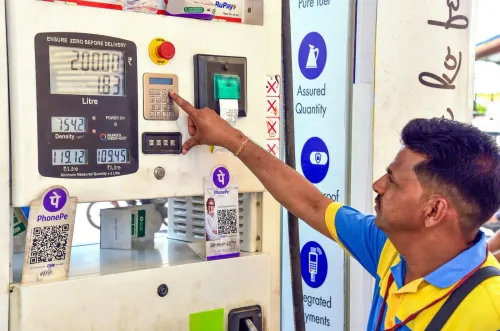
In Delhi , petrol now costs ₹97.77/litre ; diesel rose by ₹3.11/litre .
CNG prices increased by ₹2 per kilogram ; Delhi rate now ₹79.09/kg .
Global crude prices surged from $69/barrel in February to over $120 , currently around $107 , per Religare Broking .
India imports nearly 85% of its crude oil, making forex reserves and the rupee key risk factors.
Experts at Infomerics Ratings and LKP Securities say the hike could catalyse long-term investment in renewable energy and EV adoption .
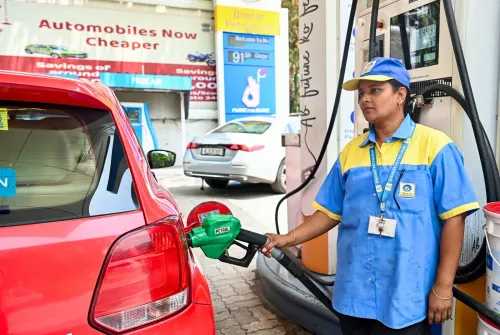
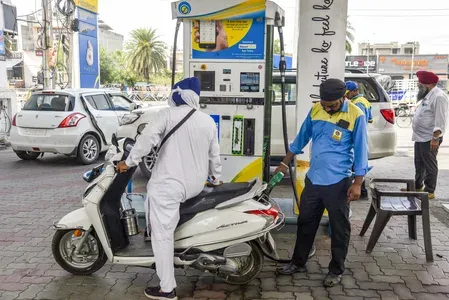
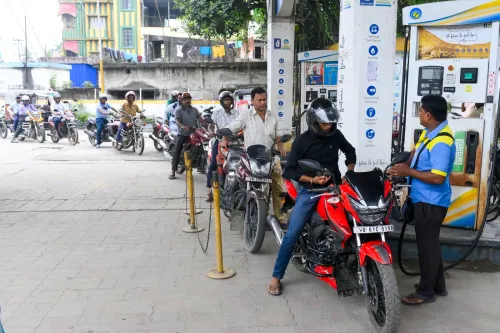
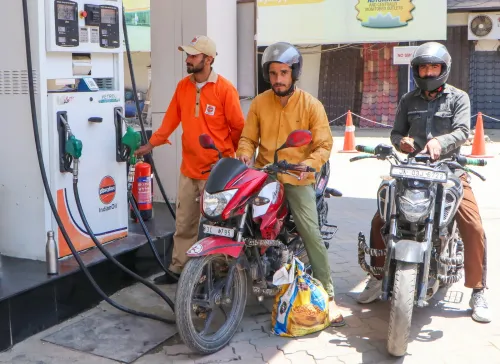
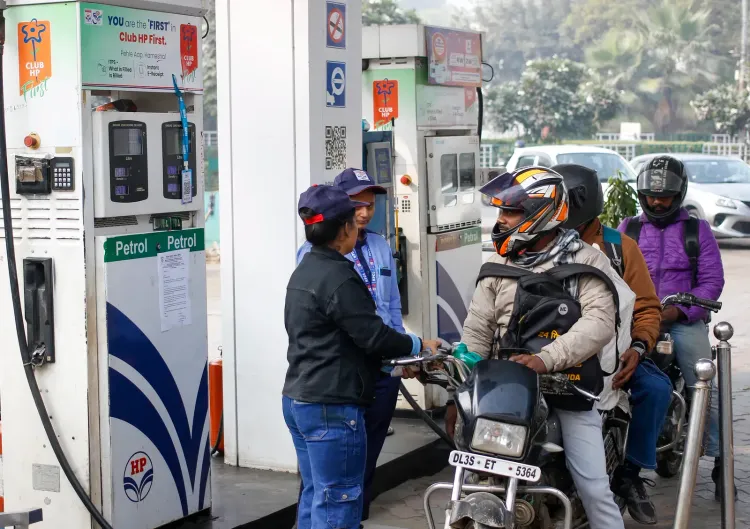
Petrol and diesel prices in India were raised by ₹3 per litre on Friday, 15 May, with experts warning of near-term inflationary pressure while pointing to a longer-term structural shift toward renewable energy, electric vehicles, and diversified energy supply chains.
Inflationary Impact on the Economy
Dr. Manoranjan Sharma, Chief Economist at Infomerics Ratings, said the hike is likely to push inflation higher by raising transportation and production costs, ultimately translating into steeper prices for essential goods. 'Oil-importing nations may face decelerated growth, weaker industrial output, and reduced consumer purchasing power. However, this could accelerate investment in renewable energy, energy conservation, and diversified supply chains, making the crisis both an economic and strategic challenge,' Sharma said.
Sharma added that the situation underscores the risks of excessive dependence on politically unstable regions for energy supplies — a concern that has grown sharper amid the ongoing Middle East crisis.
India's Crude Dependence and Forex Pressure
With India importing nearly 85% of its crude oil, the hike carries significant implications for foreign exchange reserves and fiscal stability. A weakening rupee could further amplify import expenses, according to Sharma. The pressure on oil marketing companies has been building since global crude prices surged from nearly $69 per barrel in February to over $120 per barrel before settling at around $107 per barrel, according to Ajit Mishra, SVP Research at Religare Broking Ltd.
'With global crude oil prices surging from nearly $69 in February to over $120 per barrel and currently at the $107-mark, oil marketing companies were under mounting pressure due to rising input costs and shrinking marketing margins,' Mishra said.
EV Adoption and Long-Term Energy Shift
Jateen Trivedi, VP Research Analyst – Commodity and Currency at LKP Securities, said the hike may serve as a structural catalyst. 'The hike may temporarily add to inflation concerns and impact transportation and consumption costs, but it also indicates the government's focus on managing fuel subsidies and protecting forex reserves amid ongoing global uncertainty,' Trivedi said. He added that such moves may further accelerate the push towards EV adoption and reduced dependence on imported fuel in the long term.
Delhi Prices and CNG Hike
In Delhi, petrol prices rose by ₹3.14 per litre to ₹97.77, while diesel became costlier by ₹3.11 per litre. Simultaneously, oil companies raised CNG prices by ₹2 per kilogram, effective Friday. The new CNG rate in Delhi stands at ₹79.09 per kilogram.
What to Watch
While fuel availability remains stable, inflationary pressures across the broader economy are expected to intensify, according to Mishra. The key variables to track include the trajectory of global crude prices, the rupee-dollar exchange rate, and the pace of government subsidy rationalisation. Analysts broadly agree that sustained high fuel costs could hasten India's energy transition — turning a fiscal strain into a strategic opportunity.
Point of View
Or simply use it to shore up the fiscal deficit ahead of the next election cycle.
NationPress
20 Sept 2026
Frequently Asked Questions
By how much have petrol and diesel prices been hiked in India?
Petrol and diesel prices were raised by ₹3 per litre on 15 May. In Delhi specifically, petrol rose by ₹3.14 per litre to ₹97.77, while diesel increased by ₹3.11 per litre.
Why were fuel prices hiked in India?
Oil marketing companies were under mounting pressure as global crude prices surged from around $69 per barrel in February to over $120, settling near $107, which squeezed their marketing margins significantly. The hike is also seen as a move to protect forex reserves amid global uncertainty.
How does the fuel price hike affect inflation in India?
According to Dr. Manoranjan Sharma of Infomerics Ratings, the hike is likely to raise transportation and production costs, pushing up prices of essential goods and adding to overall inflationary pressure in the economy.
Has CNG also become more expensive?
Yes. CNG prices were raised by ₹2 per kilogram effective 15 May, amid the Middle East crisis. The new CNG rate in Delhi is ₹79.09 per kilogram.
Could the fuel hike accelerate India's shift to renewable energy?
Experts believe so. Analysts at LKP Securities and Infomerics Ratings argue that sustained high fuel costs make the case for EV adoption and renewable energy investment more compelling, potentially turning the short-term economic pain into a long-term strategic gain for India's energy security.