Gadkari Greets Nation on Vande Mataram Anniversary
Synopsis
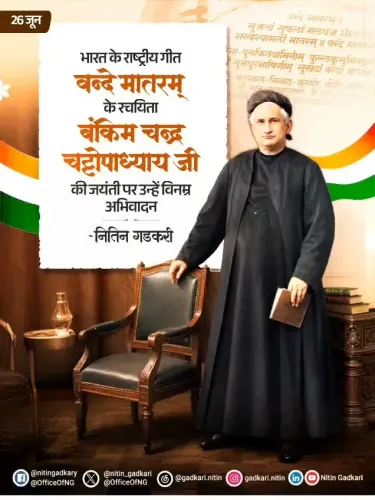
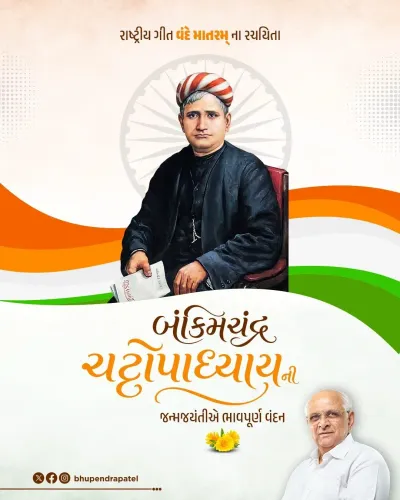
Union Minister Nitin Gadkari extended greetings to all Indians on the anniversary of Vande Mataram, India's national song composed by Bankim Chandra Chatterjee in 1882 and adopted by the Constituent Assembly on 24 January 1950.
Key Takeaways
Nitin Gadkari posted anniversary wishes for Vande Mataram on 7 November 2026 .
Vande Mataram was composed by Bankim Chandra Chatterjee and first appeared in his 1882 novel Anandamath .
The Constituent Assembly adopted it as India's national song on 24 January 1950 .
The song holds equal constitutional honour alongside the national anthem Jana Gana Mana .
Senior ministers and political leaders regularly mark such national heritage anniversaries on social media.
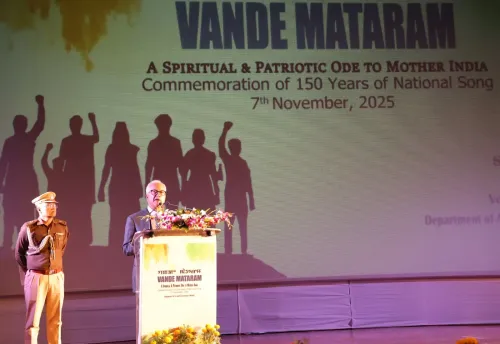
A song that once stirred a nation into resistance now stirs it into remembrance. Union Road Transport and Highways Minister Nitin Gadkari extended warm wishes to all Indians on Saturday, 7 November 2026, marking the anniversary of India's national song, Vande Mataram.
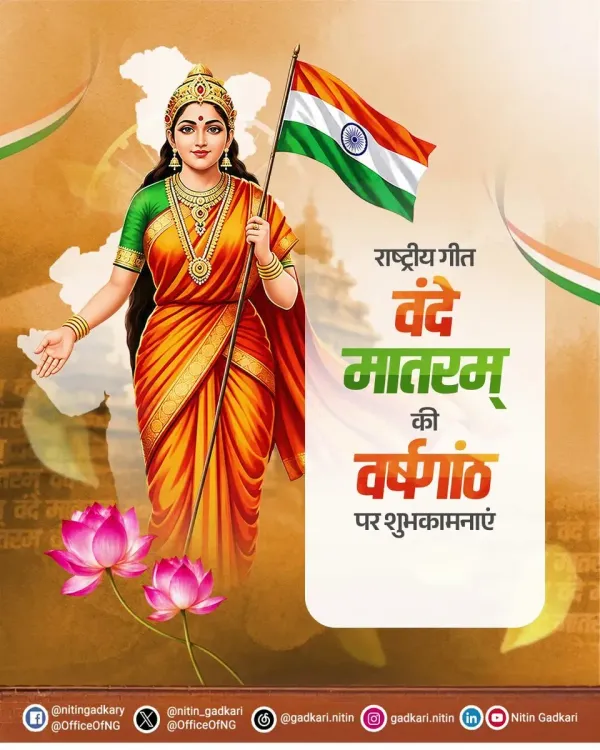
Posting on X with the tricolour emoji and marigold, Gadkari wrote: 'Samast deshvasiyon ko rashtriya geet Vande Mataram ki varshgaanth par shubhkamnaayein' — 'Best wishes to all fellow citizens on the anniversary of the national song Vande Mataram.'
The song that became a nation's heartbeat
Vande Mataram was composed by Bankim Chandra Chatterjee and first appeared in his landmark 1882 novel Anandamath. The song — its title translating to 'I bow to thee, Mother' — became an anthem of the independence movement, sung at protests, rallied into courtrooms, and whispered in prison cells across British India. Its emotional force was inseparable from the freedom struggle itself. When India's Constituent Assembly met on 24 January 1950 — just days before the Republic was formally proclaimed — it formally adopted Vande Mataram as the nation's official national song, granting it equal honour alongside the national anthem Jana Gana Mana.A tradition of marking heritage milestones
Gadkari's post is part of a consistent pattern among India's political leadership: acknowledging the anniversaries of national symbols and cultural touchstones from the independence era. Such gestures, while ceremonial in form, serve as periodic public reaffirmations of the country's constitutional and civilisational identity. For millions of Indians, Vande Mataram remains not merely a formal designation but a living piece of history — the sound of a country remembering where it came from.Point of View
Reinforcing the party's long-standing positioning around national identity. While such posts are ceremonial in nature, they carry ideological weight — Vande Mataram has historically been a symbol with deep political resonance across India's right and centre-right. The gesture costs little politically but lands with a constituency for whom these symbols are deeply felt. It also reflects the broader norming of social media as the primary channel for elected officials to mark heritage dates.
NationPress
7 Nov 2026
Frequently Asked Questions
What is Vande Mataram and why is it important?
Vande Mataram is India's national song, composed by Bankim Chandra Chatterjee in 1882. It became the rallying cry of the independence movement and was adopted by the Constituent Assembly on 24 January 1950, holding equal honour with the national anthem Jana Gana Mana.
Who composed Vande Mataram?
Vande Mataram was composed by Bankim Chandra Chatterjee and first published in his 1882 Bengali novel Anandamath.
When was Vande Mataram adopted as India's national song?
The Constituent Assembly of India adopted Vande Mataram as the national song on 24 January 1950, days before the Republic was formally proclaimed.
What did Nitin Gadkari post about Vande Mataram?
On 7 November 2026, Union Minister Nitin Gadkari posted on X wishing all citizens on the anniversary of Vande Mataram, calling it the national song and sharing the message in Hindi with the tricolour emoji.
What is the difference between India's national anthem and national song?
India's national anthem is Jana Gana Mana, written by Rabindranath Tagore. Vande Mataram, composed by Bankim Chandra Chatterjee, is the national song. Both were given equal honour by the Constituent Assembly, though only the anthem is played at official state functions.