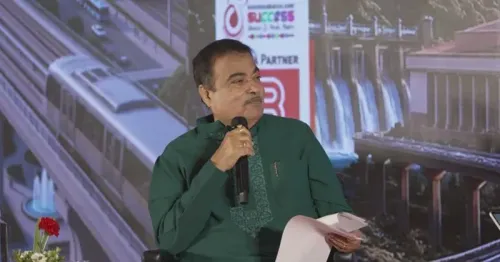
Gadkari inaugurates 13th National Conference on Disability
Synopsis
Nitin Gadkari inaugurated the 13th National Conference on Disability in New Delhi, a forum used to review the 2016 disability law and mainstream accessibility across transport and infrastructure.
Key Takeaways
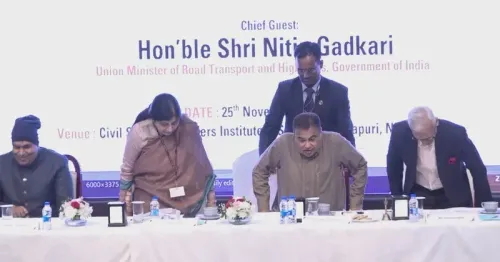
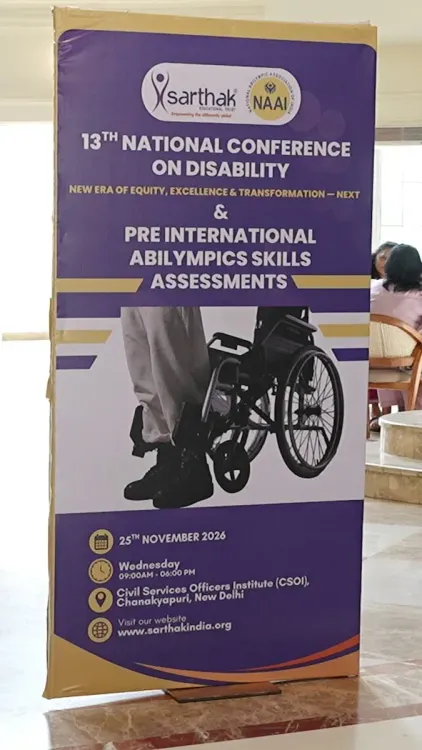
Union Road Transport and Highways Minister Nitin Gadkari inaugurated the 13th National Conference on Disability (NCD) in New Delhi on 25 November 2026 .
The minister marked the event on X with a location tag and the line Inauguration of 13th National Conference on Disability (NCD) .
The NCD is a recurring national forum on policy and inclusion for persons with disabilities.
The Rights of Persons with Disabilities Act, 2016 replaced the 1995 law and raised recognised disability categories from 7 to 21 .
Cross-ministerial participation, including transport, is used to mainstream accessibility into roads and infrastructure.
Formal outcomes, resolutions or follow-up action plans after the 13th NCD will be the measure of the event.
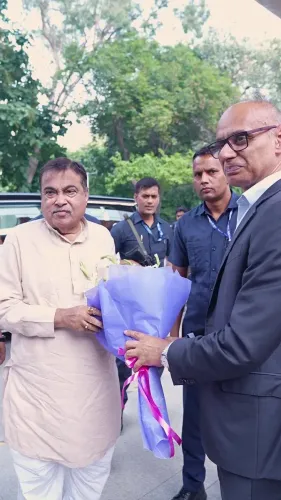
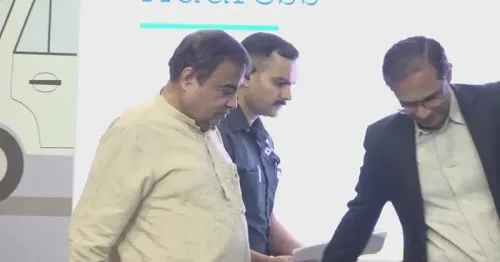
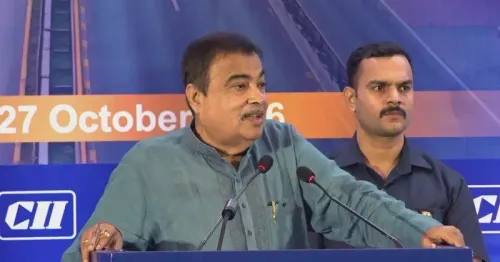
Union Road Transport and Highways Minister Nitin Gadkari cut a spare, location-pinned announcement from New Delhi on 25 November 2026: he had inaugurated the 13th National Conference on Disability. The post was a single line; the forum is not — it is where accessibility is supposed to jump from statute onto India's roads, terminals and public infrastructure.
Gadkari wrote: Inauguration of 13th National Conference on Disability (NCD), tagging the capital. For a transport minister, the dais is not a detour. Mobility is the daily test of whether disability law works.
Why a highways minister opened the 13th NCD
India rewrote its disability architecture with the Rights of Persons with Disabilities Act, 2016, replacing the 1995 law and expanding recognised categories from 7 to 21. Periodic national conferences became the Centre's instrument to review implementation and to haul ministries that do not sit in the social-welfare silo into the same room.
Transport is one of those rooms. Accessible buses, ramps, tactile paving, rest-area design and highway wayfinding sit inside Gadkari's brief. Cross-ministerial presence at the NCD is how New Delhi has tried to mainstream accessibility into hard infrastructure rather than leave it as an annex to welfare.
The test after the ribbon
Successive governments have used this conference circuit to stock-take, not merely to speechify. What matters after Wednesday's inauguration is whether the 13th edition produces resolutions or inter-ministerial action plans — a paper trail, not only a video from the dais.
For persons with disabilities covered by the 2016 Act, the metric is blunt. The next stretch of national highway, the next bus terminal, the next rest stop either admits them or it does not.
Point of View
Not only social-justice desks. The 2016 Act widened the legal definition of disability; the harder task has always been getting roads, buses and terminals to catch up. Periodic national conferences are the Centre's coordination ritual for that catch-up. The political test is whether the 13th edition leaves a paper trail of transport-side commitments, not just a video from the dais.
NationPress
25 Nov 2026
Frequently Asked Questions
Who inaugurated the 13th National Conference on Disability?
Union Road Transport and Highways Minister Nitin Gadkari inaugurated the 13th National Conference on Disability in New Delhi. He announced the inauguration on X on 25 November 2026.
What is the National Conference on Disability?
It is a recurring national-level forum that addresses policy and inclusion issues for persons with disabilities. Successive governments have used it to review implementation of disability legislation and coordinate across ministries.
How did the Rights of Persons with Disabilities Act 2016 change Indian law?
The 2016 Act replaced the 1995 legislation and increased recognised categories of disability from 7 to 21. National conferences such as the NCD are used to review how that law is implemented.
Why did the transport minister inaugurate a disability conference?
Cross-ministerial participation reflects an emphasis on mainstreaming accessibility in sectors including transport and infrastructure. Gadkari's portfolio covers roads and highways, where accessible design directly affects persons with disabilities.
What should be watched after the 13th NCD?
Formal outcomes, resolutions or follow-up action plans released after the conference. The minister's post itself did not set out session details or a published action agenda.