Gadkari joins Toyota's first FFV-SHEV launch in Delhi
Synopsis
Union Minister Nitin Gadkari joined the New Delhi launch of Toyota Kirloskar Motor's first FFV-SHEV in India on 25 November 2026. The flex-fuel strong-hybrid tracks the Ethanol Blending Programme and the E20 push to cut oil imports through biofuels and hybrids.
Key Takeaways
Union Road Transport and Highways Minister Nitin Gadkari posted live from New Delhi on 25 November 2026 at Toyota Kirloskar Motor's first FFV-SHEV launch in India.
FFV-SHEV refers to a flex-fuel vehicle with a strong hybrid electric system, built to run on petrol-ethanol blends plus hybrid drive.
The National Policy on Biofuels was notified in 2018; the E20 roadmap of 2021 targeted 20 percent ethanol blending in petrol by 2025.
The Ethanol Blending Programme aims to reduce crude-oil imports and support domestic biofuel producers.
Exact specifications of the Toyota FFV-SHEV model were not detailed in the minister's post.
Further FFV-SHEV rollouts by other manufacturers, plus ethanol procurement and type-approval rules, will indicate how far the format spreads.
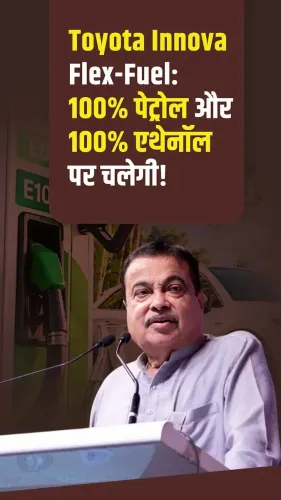
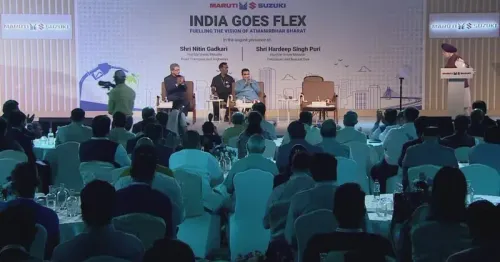
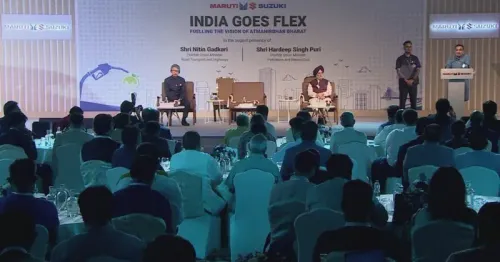
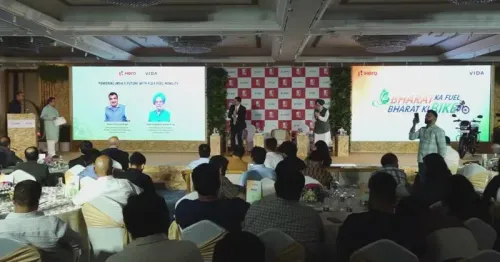
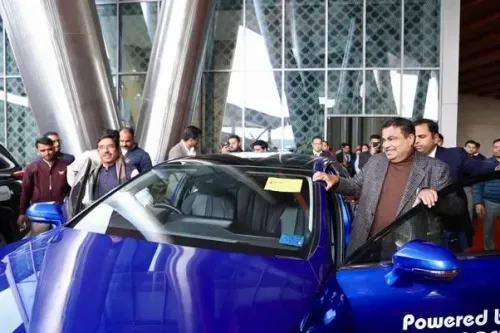
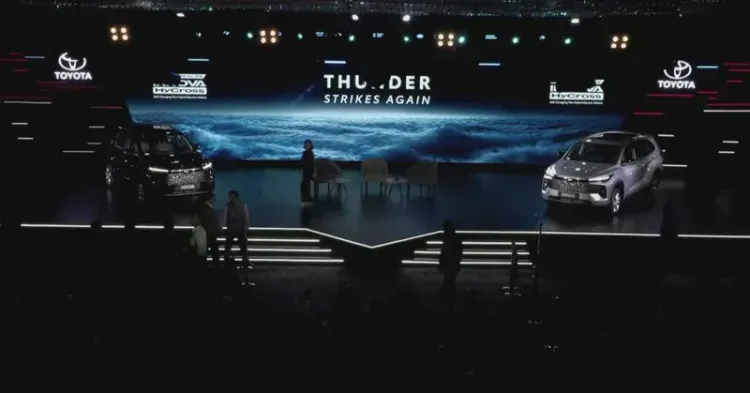
Union Road Transport and Highways Minister Nitin Gadkari went live from New Delhi on Wednesday, 25 November 2026 as Toyota Kirloskar Motor launched its first FFV-SHEV vehicle in India. The flex-fuel strong-hybrid sits at the crossroads of ethanol blending and electrified drive — the mix New Delhi has been urging carmakers to put on the road.
From the capital he posted: Live from the launch of Toyota Kirloskar Motor's First FFV-SHEV Vehicle in India, sharing a livestream of the event.
Toyota Kirloskar's first FFV-SHEV rolls out
An FFV-SHEV pairs a flex-fuel engine — built to run on petrol blended with ethanol — with a strong hybrid electric system. Toyota Kirloskar Motor, the Indian joint venture of Toyota Motor Corporation, has been developing advanced powertrains for the domestic market. The New Delhi event marks the firm's first such vehicle for India, as stated in the minister's post. Exact model specifications were not set out in that announcement.
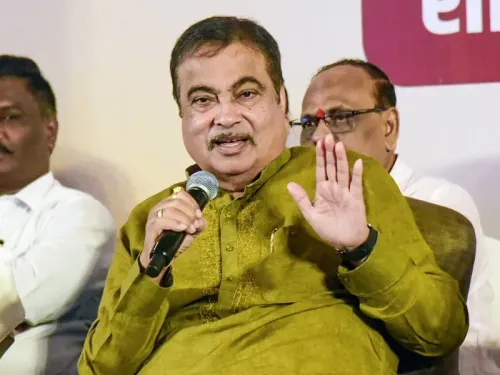
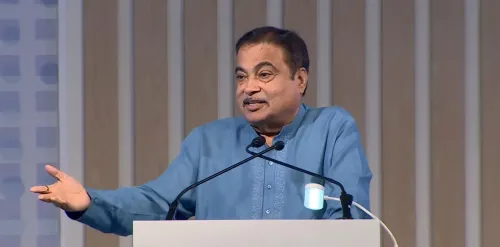
The Union minister who oversees road transport policy has, for years, pressed manufacturers to treat ethanol and hybrids as mainstream hardware, not niche experiments. His presence put that brief on a public stage.
From the 2018 Biofuels Policy to the E20 roadmap
India notified the National Policy on Biofuels in 2018 to expand production and use of ethanol and other biofuels. In 2021 the government published the E20 roadmap, targeting 20 percent ethanol blending in petrol by 2025.
The Ethanol Blending Programme is meant to cut crude-oil imports, support domestic biofuel producers, and lower tailpipe emissions. Flex-fuel vehicles matter because they are designed to tolerate a wider range of ethanol-petrol mixes than conventional petrol engines — a practical requirement if blending ratios keep rising.
Hybrids, ethanol supply and the oil-import bill
Successive governments have asked automobile manufacturers to develop flex-fuel and strong-hybrid models compatible with higher ethanol blends. Ethanol producers, including those tied to the sugarcane economy, sit on the other side of that bargain: more blending only works if fuel supply and vehicle hardware move together.
The New Delhi launch is a snapshot of that public-private coordination — a manufacturer putting an FFV-SHEV on an Indian stage, with the transport minister in the room. What follows will be watched in type-approval norms, ethanol procurement, and whether other OEMs line up similar dual-path powertrains.
One launch does not rewrite the fuel mix. The test is how fast flex-fuel hybrids move from a New Delhi stage into showrooms — and how steadily ethanol supply follows them.
Frequently Asked Questions
What is an FFV-SHEV vehicle?
FFV-SHEV stands for a flex-fuel vehicle with a strong hybrid electric system, pairing an engine that can run on petrol-ethanol blends with hybrid electric drive. Toyota Kirloskar Motor launched its first such vehicle in India at a New Delhi event attended by Union Minister Nitin Gadkari.
Why was Nitin Gadkari at the Toyota launch in New Delhi?
Gadkari is the Union Road Transport and Highways Minister and has long promoted ethanol blending and alternative-fuel vehicles. He posted live from the New Delhi launch of Toyota Kirloskar Motor's first FFV-SHEV in India on 25 November 2026.
What is India's Ethanol Blending Programme?
It is a central government drive to mix ethanol with petrol in order to cut crude-oil imports and support biofuels. The programme sits alongside the 2018 National Policy on Biofuels and later blending targets such as E20.
What is the E20 roadmap?
In 2021 the government released an E20 roadmap targeting 20 percent ethanol blending in petrol by 2025. Flex-fuel vehicles are designed to handle higher ethanol shares than conventional petrol cars.
Who is Toyota Kirloskar Motor?
Toyota Kirloskar Motor is the Indian joint venture of Toyota Motor Corporation. It manufactures and sells vehicles in India and has been developing advanced powertrains, including hybrids.