Gadkari Reviews 804 Km Ladakh Highway Quality, Orders Monsoon Prep
Synopsis
Union Minister Nitin Gadkari on 25 June 2026 reviewed quality and maintenance of 804 km of Ladakh National Highway projects in New Delhi, directing NHAI and NHIDCL officials to accelerate works, tighten monitoring, and prepare advance monsoon management plans covering drainage, slope protection, and rapid-response systems.
Key Takeaways
804 kilometres of National Highway projects in Ladakh UT were the subject of a quality and maintenance review chaired by Nitin Gadkari on 25 June 2026 .
Inputs for the review were drawn from media, social media, and officials of NHAI , NHIDCL , and MoRTH .
Gadkari directed officials to accelerate on-ground works and adopt modern construction practices to improve riding quality and extend asset life.
Advance monsoon planning — covering drainage management, slope protection, and quick-response mechanisms — was specifically instructed.
The review aligns with the PM Gati Shakti framework and the Bharatmala Pariyojana focus on upgrading Ladakh's strategically critical highway corridors.
Both civilian commuters and Indian defence forces operating along the Line of Actual Control stand to benefit from improved all-weather connectivity.
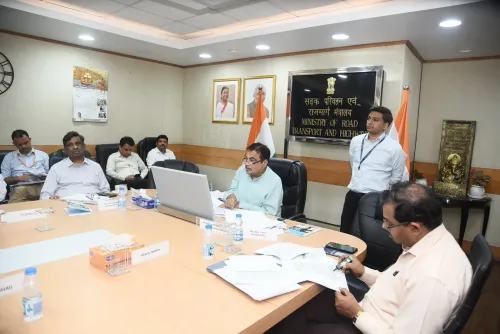
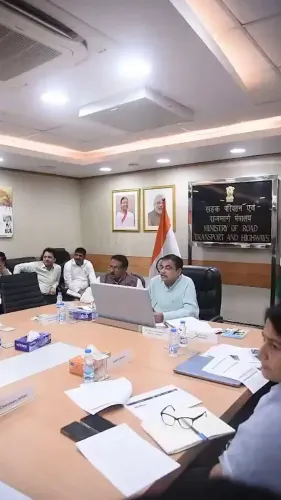
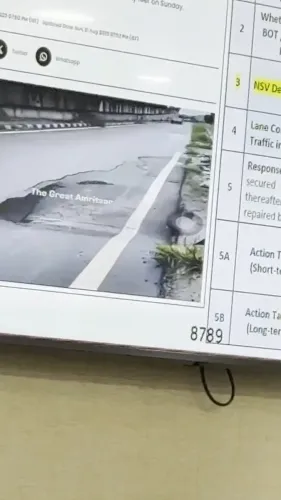
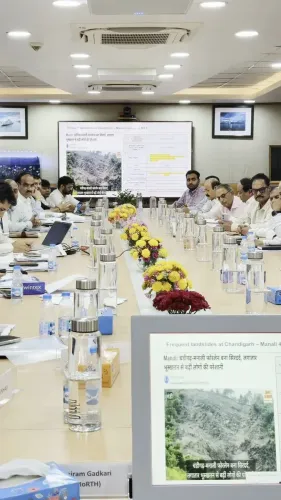
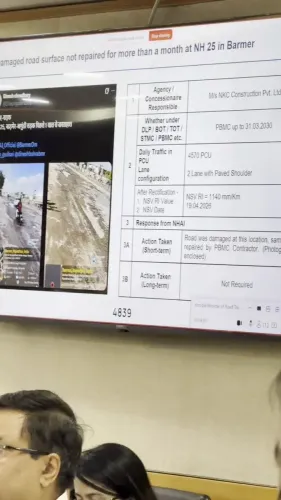
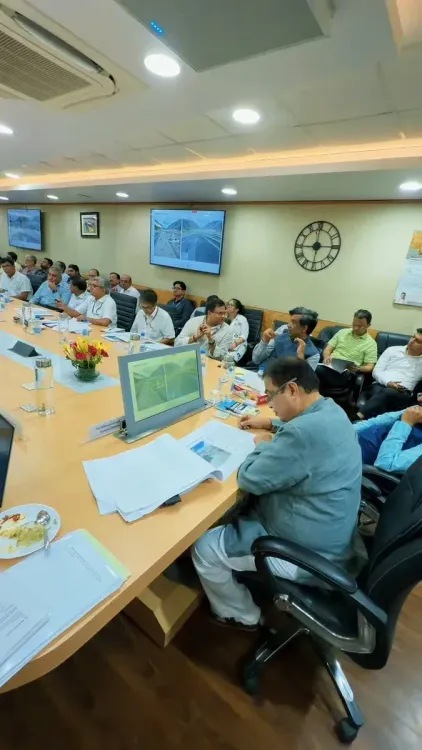
Union Road Transport and Highways Minister Nitin Gadkari on Thursday, 25 June 2026 chaired a high-level review meeting in New Delhi to assess the quality and maintenance progress of 804 kilometres of National Highway projects in the Union Territory of Ladakh, drawing on inputs from media, social media, and officials of NHAI, NHIDCL, and the Ministry of Road Transport and Highways (MoRTH).
Context
At the meeting, Gadkari stressed the need to accelerate on-ground construction work, tighten quality monitoring mechanisms, and adopt modern construction practices. The objective, as he stated, is to 'enhance asset life, improve riding quality, and ensure seamless connectivity across key corridors' in the strategically sensitive high-altitude territory.
He also directed officials to undertake advance planning for the upcoming monsoon season, covering drainage management, slope protection, and the establishment of quick-response mechanisms to minimise disruptions and ensure commuter safety.
Policy Backdrop
Ladakh was carved out as a Union Territory in August 2019, which accelerated central funding and project execution for road connectivity in the region. The territory shares borders with China and Pakistan, making all-weather road links a priority for both civilian access and military logistics along the Line of Actual Control (LAC).
The Bharatmala Pariyojana Phase-I, launched in 2015, had already identified several Ladakh corridors for upgrading to national highway standards. The PM Gati Shakti national master plan, launched in 2021, further mandated integrated, multimodal infrastructure planning — a framework that informs the kind of cross-agency review Gadkari convened on Thursday. The minister's use of the hashtag #GatiShakti directly signals this policy alignment.
NHAI is the primary agency for national highway development and maintenance under MoRTH, while NHIDCL specialises in highway construction in difficult terrain including border states and Union Territories. Both agencies were represented at the review.
Stakeholders and Impact
The most direct beneficiaries of improved highway quality in Ladakh are its residents, who face seasonal isolation due to extreme weather and challenging terrain. Better drainage management and slope protection — the specific interventions Gadkari ordered — are critical in a region where monsoon-triggered landslides routinely cut off road access for days at a time.
The Indian defence forces are the other primary stakeholder. Reliable, all-weather connectivity along Ladakh's highway corridors is integral to logistics and troop mobilisation along the LAC. The minister's emphasis on 'seamless connectivity across key corridors' carries clear strategic weight beyond civilian use.
The review's grounding in inputs received through 'media and social media' — as stated in the post — reflects an increasingly responsive feedback loop between public reporting on road conditions and ministerial-level course correction.
What's Next
With the monsoon season approaching, the immediate test will be whether the drainage and slope-protection measures ordered by Gadkari are operationalised in time across the 804 km stretch. NHAI and NHIDCL quarterly progress reports on these corridors will be the key indicators of follow-through. Any special budgetary allocation for Ladakh highway maintenance in the next Union Budget would signal the government's long-term commitment to sustaining asset quality in the region beyond the current review cycle.
Point of View
Gadkari is also institutionalising a demand-driven accountability loop that is relatively new in highway governance. The monsoon-preparedness directive is particularly pointed: repeated weather-related road closures in Ladakh have long been a reputational and operational liability for the ministry. Sustained follow-through on quality monitoring — rather than the review itself — will determine whether this signals a structural shift or remains a high-profile course correction ahead of the budget cycle.
NationPress
25 Jun 2026
Frequently Asked Questions
What did Nitin Gadkari review regarding Ladakh highways?
Gadkari reviewed the quality and maintenance progress of 804 km of National Highway projects in Ladakh UT at a meeting in New Delhi on 25 June 2026 , attended by officials of NHAI, NHIDCL, and MoRTH.
Which agencies are responsible for Ladakh highway construction?
NHAI (National Highways Authority of India) and NHIDCL (National Highways and Infrastructure Development Corporation Ltd) are the two primary agencies. NHIDCL specialises in difficult terrain including border areas like Ladakh.
Why is highway connectivity in Ladakh strategically important?
Ladakh borders both China and Pakistan . All-weather road connectivity is critical for civilian access, which is severely disrupted by seasonal weather, and for military logistics along the Line of Actual Control .
What is PM Gati Shakti and how does it relate to Ladakh highways?
PM Gati Shakti is a national master plan launched in 2021 for integrated, multimodal infrastructure planning. Gadkari's review is aligned with this framework, which mandates coordinated planning across agencies like NHAI and NHIDCL.
What monsoon measures did Gadkari order for Ladakh highways?
Gadkari instructed officials to plan advance drainage management, slope protection works, and quick-response mechanisms to minimise monsoon-related disruptions and ensure commuter safety across the 804 km stretch.