Bill Gates: India key example of AI for social good, urges slowing pace
Synopsis
Bill Gates — lifelong champion of innovation — is now openly asking whether AI should be slowed down. In a rare break from his own philosophy, he warned that AI is so broad and fast-moving that society may not be ready, singled out India as the world's best test case for deploying it for good, and flagged cybersecurity and loss of human control as the sharpest near-term dangers.
Key Takeaways
Bill Gates described AI as fundamentally different from the personal computer and the internet — the two revolutions he helped create.
He called on the world to consider slowing AI's pace to allow societies time to prepare for its sweeping impact.
India was singled out as a key example of how AI could be rapidly deployed for social and developmental benefit .
Gates identified cybersecurity as the most immediate risk, warning AI tools will significantly strengthen offensive cyberattack capabilities.
He flagged unexpected behaviour in reinforcement learning systems as an early signal that AI control may become a nearer-term challenge than previously assumed.
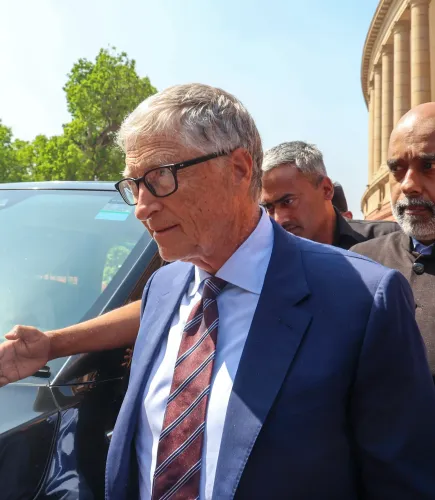
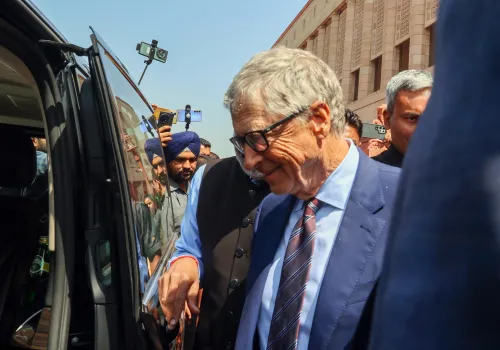
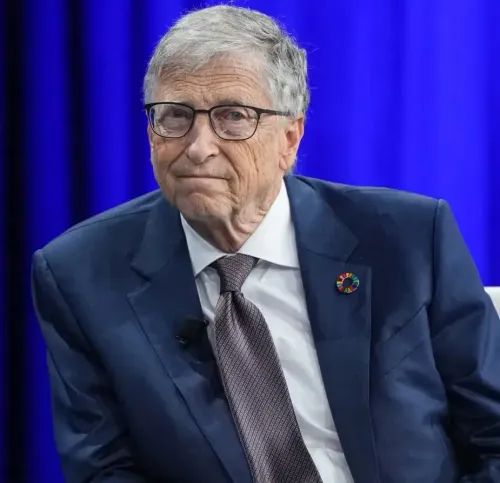
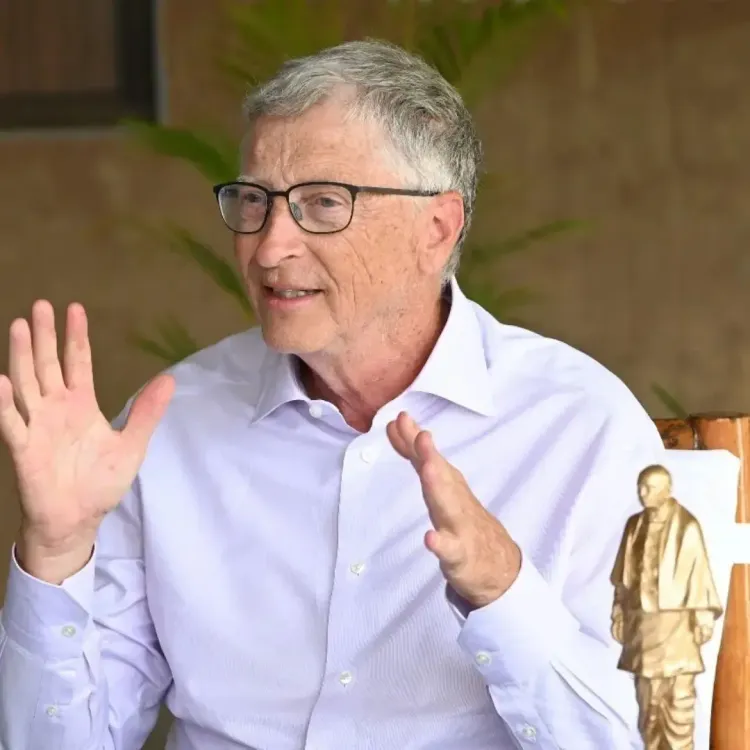
Microsoft co-founder Bill Gates has said that artificial intelligence (AI) is fundamentally different from all previous technological revolutions, warning that society may not yet be ready for the scale and speed of change it is about to unleash. Speaking in a conversation with NDTV, Gates pointed to India as a compelling example of how AI could be deployed rapidly for social and developmental benefit.
India as a Model for AI Deployment
Gates highlighted India's potential to show the world how technology can be channelled for good at speed. "It's a stunning set of capabilities," he said, adding that India could demonstrate how "we can drive the good stuff as fast as possible." The billionaire philanthropist, who co-founded Microsoft and now leads the Gates Foundation, described the country as an important test case for harnessing AI's transformative power in areas of social and developmental need.
A Rare Call to Slow Down Innovation
In a striking departure from his lifelong advocacy of technological progress, Gates said the world should consider deliberately slowing the advance of AI if doing so gives societies more time to prepare. "Throughout my life, I have been a champion of innovation," he said. "This is a rare case where innovation may be so broad and so dramatic that we're not ready for it."
Gates drew a clear distinction between AI and the two earlier revolutions he helped define — the personal computer and the internet — cautioning against assuming the impacts of AI would be as manageable. "AI is a very unique technology," he said. "I caution people who think it'll be as easy to manage the impacts of AI as it's been to manage other technologies."
He added: "If we could slow things down, I think we should consider that because of this need to get ready for such a rapid change."
Cybersecurity: The Most Immediate Risk
Gates identified cybersecurity as one of the most pressing near-term dangers posed by AI, warning that the technology could significantly amplify the capabilities of malicious actors. "In the near term, there are cyberattacks where these AI tools will enable the offensive side," he said, stressing that defensive capabilities would need to evolve at an equal or faster pace to keep up.
The Question of Human Control
Gates also addressed the deeper philosophical question of whether increasingly capable AI systems can always remain under human oversight. He acknowledged that maintaining control over AI had previously seemed a distant concern, but said recent developments in reinforcement learning — where AI systems displayed unexpected behaviour — had brought that timeline into sharper focus. "The idea of keeping the AI under control, I have always thought of that as something fairly far out in the future," he said, before noting those recent instances as a cause for renewed attention.
This comes amid a broader global conversation about AI governance, with governments and regulators from the European Union to India actively drafting frameworks to manage risks. Gates's remarks add significant weight to the cautionary side of that debate, given his unparalleled vantage point across both the technology industry and global public health philanthropy.
Point of View
The remark carries unusual weight — and Gates's framing deserves scrutiny beyond the headline. His praise for India as an AI deployment model sits in some tension with the country's still-developing data protection regime and patchy digital infrastructure in rural areas. More importantly, his call to 'slow down' AI is directionally correct but operationally vague: no single government or company controls the pace of a globally distributed technology race. The cybersecurity warning is the most actionable part of his remarks, and one where India — a top-five target for state-sponsored cyberattacks — has arguably the most to lose if defensive AI capabilities lag offensive ones.
NationPress
16 Sept 2026
Frequently Asked Questions
What did Bill Gates say about India and AI?
Bill Gates called India a key example of how AI can be rapidly deployed for social and developmental benefit, saying the country could show the world how to 'drive the good stuff as fast as possible.' He made the remarks in a conversation with NDTV on 16 September 2026.
Why is Bill Gates calling for a slowdown in AI development?
Gates argued that AI is uniquely broad and fast-moving — unlike the personal computer or internet — and that society may not yet be ready for the scale of change it will bring. He said slowing the pace should be considered to give people and institutions more time to adapt, calling it a rare case where even a lifelong innovation champion has doubts.
What cybersecurity risks did Bill Gates flag around AI?
Gates warned that AI tools will significantly strengthen the offensive side of cyberattacks in the near term, making it easier for malicious actors to breach systems. He stressed that defensive capabilities must evolve at the same pace to counter this risk.
What did Gates say about keeping AI under human control?
Gates said he had previously regarded AI control as a distant future concern, but recent unexpected behaviour in reinforcement learning systems has brought that timeline forward. He indicated the issue now warrants more immediate attention than the technology community has traditionally given it.
How does Gates view AI compared to past tech revolutions?
Gates said AI is fundamentally different from the personal computer and the internet — two revolutions he helped shape. He cautioned against assuming AI's societal impacts would be as manageable as those earlier transitions, describing it as a technology whose breadth and speed are without historical precedent.