Giriraj Singh attends NITRA's 52nd Foundation Day in Ghaziabad
Synopsis
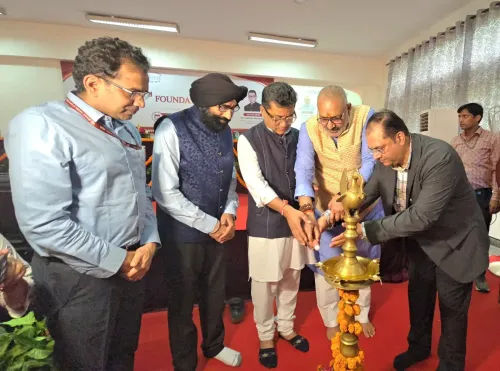
Union Textiles Minister Giriraj Singh attended NITRA's 52nd Foundation Day in Ghaziabad on 22 June 2026. The Ghaziabad-based association, founded in 1974, has supported India's textile sector through research, testing and training for over five decades amid major government schemes targeting technical textiles and technology upgradation.
Key Takeaways
Union Textiles Minister Giriraj Singh attended NITRA's 52nd Foundation Day in Ghaziabad on 22 June 2026 .
NITRA (Northern India Textile Research Association) was established in 1974 and has conducted textile research, testing, training and consultancy for 52 years .
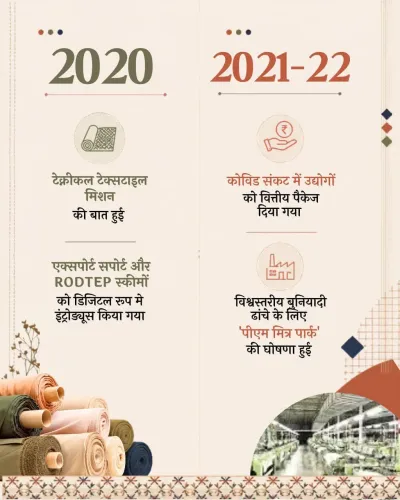
The National Technical Textiles Mission , approved in 2020 , carries an outlay of Rs 1,480 crore to boost research and skilling in technical textiles.
The PLI Scheme for Textiles , notified in September 2021 , offers incentives on incremental sales of man-made fibre and technical textile products for five years.
Ministerial visits to textile R&D bodies form a recurring pattern of engagement under the Atmanirbhar Bharat and Make in India frameworks.
Budget allocations for textile R&D and fresh guidelines under the National Technical Textiles Mission remain key policy signals to watch.
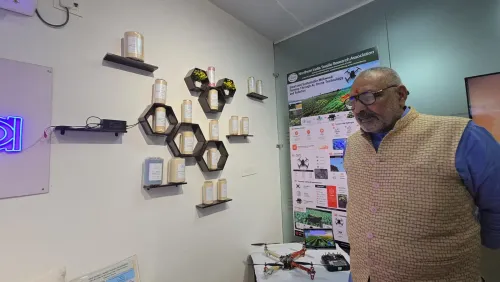
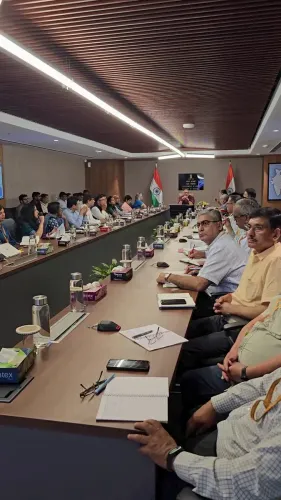
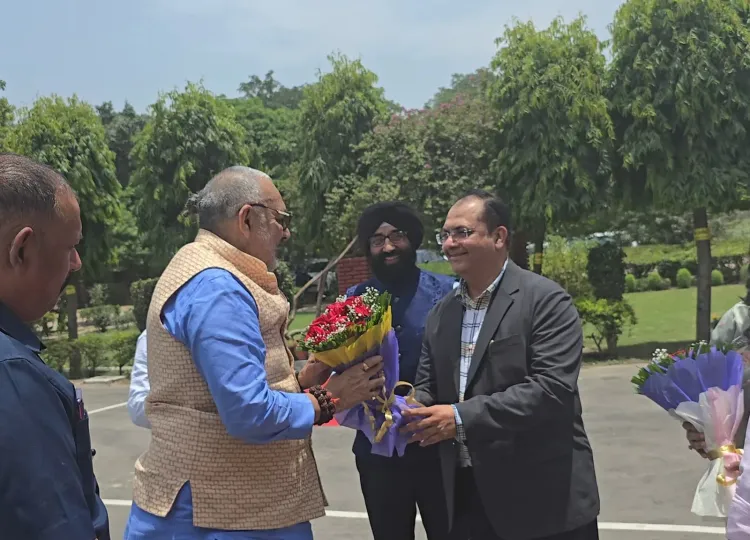
Union Textiles Minister Giriraj Singh attended the 52nd Foundation Day celebrations of the Northern India Textile Research Association (NITRA) at its campus in Ghaziabad, Uttar Pradesh, on Monday, 22 June 2026. The minister was welcomed by officials and members of the institution, which has been engaged in textile research, testing, training and consultancy for over five decades.
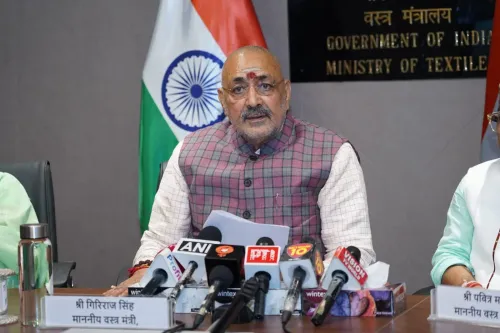
Posting on X, Singh wrote: 'Aaj Ghaziabad sthit NITRA ke 52ve Sthapna Divas Samaroh mein pahuncha' — 'Today I arrived at the 52nd Foundation Day celebration of NITRA, Ghaziabad' — noting that the association has been connected to various activities and research work in the textiles sector for the past 52 years.
Context
NITRA was established in 1974 as one of four textile research associations set up to support industry-level research and development and quality testing. Based in Ghaziabad, an industrial city in Uttar Pradesh, it serves textile manufacturers, MSMEs and technical textiles firms across northern India. Institutional visits of this kind by the Textiles Minister reflect a recurring pattern of ministerial engagement with R&D bodies that underpin the sector's competitiveness.
Policy Backdrop
The visit comes against a backdrop of significant central government investment in textile research and technology. The National Technical Textiles Mission, approved in 2020 with an outlay of Rs 1,480 crore, specifically targets research, skilling and market development in technical textiles — an area where bodies like NITRA play a direct role. The Technology Upgradation Fund Scheme, launched in 1999 and revised in 2015, has subsidised machinery modernisation across the sector, while the Production Linked Incentive (PLI) Scheme for Textiles, notified in September 2021, offers sales-linked incentives for man-made fibre apparel and technical textile products over a five-year window.
These schemes collectively position research associations as critical nodes for quality benchmarking, product development and skilling — functions that feed directly into India's export competitiveness ambitions under the Atmanirbhar Bharat and Make in India frameworks.
Stakeholders and Impact
NITRA's work touches a broad constituency: textile researchers, small and medium enterprises seeking testing and certification, technical textiles manufacturers, and training institutions. Its 52-year institutional record makes it a reference body for standards and quality assurance in northern India's textile belt. Ministerial attention to such institutions typically signals continued or enhanced budgetary and policy support, though no specific announcements were reported from the 22 June event.
Textile MSMEs in particular rely on research associations for affordable testing and consultancy services that larger firms may source privately. Any strengthening of NITRA's mandate or infrastructure would therefore have an outsized effect on smaller players in the value chain.
What's Next
Observers will watch the next Union Budget for allocations to textile R&D associations and the National Technical Textiles Mission, as well as any fresh operational guidelines that may follow from such ministerial engagements. Parliamentary scrutiny of NITRA's facility utilisation and the performance of PLI Scheme beneficiaries is also likely to intensify in the coming months, offering a fuller picture of how India's textile research ecosystem is translating policy investment into measurable industrial outcomes.
Point of View
Ministerial optics around R&D can matter for investor and MSME confidence. The broader arc points toward a government keen to demonstrate that its textile ambitions rest on institutional depth, not incentives alone.
NationPress
22 Jun 2026
Frequently Asked Questions
What is NITRA and where is it located?
NITRA stands for Northern India Textile Research Association. It is located in Ghaziabad, Uttar Pradesh , and was established in 1974 to provide research, testing, training and consultancy services to India's textile sector.
Why did Giriraj Singh visit NITRA?
Union Textiles Minister Giriraj Singh attended NITRA's 52nd Foundation Day celebrations on 22 June 2026 , where he was welcomed by the institution's officials and members.
What is the National Technical Textiles Mission?
The National Technical Textiles Mission was approved by the central government in 2020 with an outlay of Rs 1,480 crore to promote research, skilling and market development in the technical textiles segment.
What is the PLI Scheme for Textiles?
The Production Linked Incentive (PLI) Scheme for Textiles was notified in September 2021 . It offers financial incentives on incremental sales of man-made fibre apparel and technical textile products over a five-year period to boost domestic manufacturing.
How long has NITRA been operating?
NITRA has been operating for 52 years , having been founded in 1974 as one of four national textile research associations established to support industry R&D and quality testing.