Giriraj Singh backs Bhagwat's vision for India as Vishwaguru
Synopsis
Union Textiles Minister Giriraj Singh endorsed RSS Sarsanghchalak Dr. Mohan Bhagwat's vision of social unity, swadeshi, environmental care, and civic duty as essential pillars for making India a Vishwaguru, connecting the cultural message to the Atmanirbhar Bharat policy framework.
Key Takeaways
Union Textiles Minister Giriraj Singh posted on October 21, 2026 amplifying Dr.
Mohan Bhagwat's nation-building ideas.
The post identifies five pillars: social unity, cultural consciousness, environmental protection, swadeshi, and civic duty.
Bhagwat has led the RSS since 2009 and regularly addresses themes of social cohesion and cultural identity.
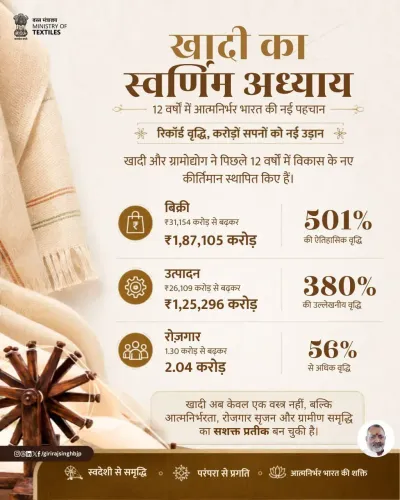
The swadeshi emphasis aligns with the Atmanirbhar Bharat initiative launched in May 2020 .
The Vishwaguru framing has been central to PM Narendra Modi's articulation of India's global role since 2014 .
BJP ministers periodically endorse RSS nation-building messaging, linking ideological themes to active governance programmes.
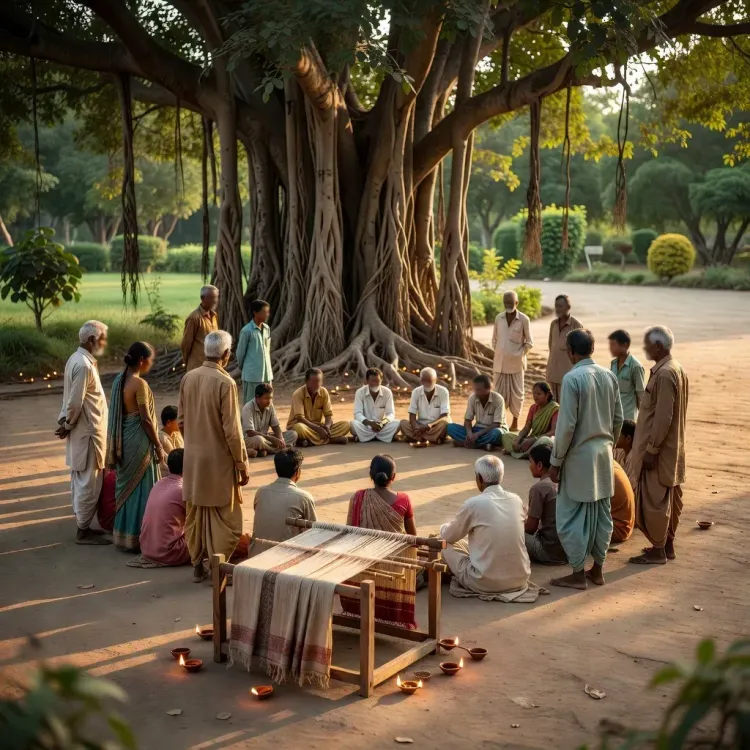
Social unity, cultural consciousness, environmental protection, a commitment to swadeshi, and the faithful discharge of civic duties — Union Textiles Minister Giriraj Singh says these five pillars must become inseparable from everyday Indian life if the country is to realise its destiny as Vishwaguru, the world's moral and civilisational guide.
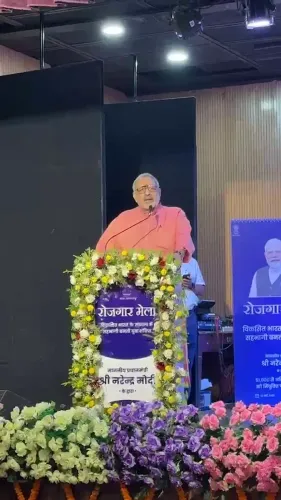
Posting on Wednesday, October 21, 2026, the senior BJP leader and Lok Sabha MP from Begusarai, Bihar, shared his endorsement of ideas attributed to RSS Sarsanghchalak Dr. Mohan Bhagwat, writing that Bhagwat's thoughts 'underline the importance of society's active participation and the responsibilities of every citizen in nation-building.'
Bhagwat's five-point framework for national renewal
Dr. Mohan Bhagwat has led the Rashtriya Swayamsevak Sangh (RSS) since 2009, consistently weaving together themes of social cohesion, cultural identity, civic duty, and economic self-reliance in his public addresses. Singh's post amplifies precisely this constellation of ideas — framing them not as abstract ideology but as lived personal practice for each citizen. The swadeshi emphasis carries direct policy resonance. The Atmanirbhar Bharat initiative, launched in May 2020, made indigenous manufacturing a cornerstone of national economic strategy — a cause the Textiles Ministry has advanced through schemes promoting domestic fabrics, handlooms, and home-grown apparel brands. When India's Textiles Minister invokes swadeshi, the word lands with institutional weight.The Vishwaguru framing and its political lineage
The Vishwaguru concept — India as a civilisational teacher to the world — has been a recurring motif in Prime Minister Narendra Modi's public addresses since 2014. Singh's post places that aspiration firmly on citizen shoulders: the path to global leadership, it argues, runs through neighbourhood social harmony and a reusable cloth bag as much as through diplomacy or GDP figures. It is a characteristically RSS-inflected reading of national greatness — built from the ground up, not handed down from state institutions. BJP ministers periodically amplify RSS leadership messaging on nation-building, creating a consistent loop between the party's governance narrative and the Sangh's cultural agenda. The pairing of environmental protection with swadeshi and civic duty in the same breath is also noteworthy — it positions ecological responsibility as a patriotic act, not merely a policy compliance box. The question Singh's post implicitly raises is a live one: can cultural and civic mobilisation translate into measurable outcomes — cleaner cities, more resilient supply chains, stronger social fabric — or does it remain inspirational rhetoric? The Textiles Ministry's own swadeshi-linked programmes will be one place to watch for answers.Point of View
The messaging attempts to broaden the Atmanirbhar Bharat narrative beyond economics into a holistic civilisational project. The Vishwaguru framing serves a dual purpose: it elevates national self-esteem domestically while signalling India's aspirational global standing. Whether such cultural mobilisation finds concrete expression in Textiles Ministry programming will determine if this remains symbolic solidarity or becomes actionable governance.
NationPress
21 Oct 2026
Frequently Asked Questions
What did Giriraj Singh say about Dr. Mohan Bhagwat?
Giriraj Singh endorsed Dr. Mohan Bhagwat's ideas on nation-building, saying his thoughts highlight the importance of society's active participation and every citizen's responsibilities in making India a Vishwaguru.
What is the Vishwaguru concept in Indian politics?
Vishwaguru refers to India's aspiration to be a moral and civilisational guide to the world. Prime Minister Narendra Modi has used this framing in public addresses since 2014.
Who is Dr. Mohan Bhagwat?
Dr. Mohan Bhagwat is the Sarsanghchalak — supreme head — of the Rashtriya Swayamsevak Sangh (RSS) since 2009, known for speeches on social cohesion, cultural identity, and citizen duties.
How does swadeshi relate to Atmanirbhar Bharat?
Swadeshi — the preference for indigenous goods and production — is a core principle behind the Atmanirbhar Bharat initiative launched in May 2020, which made domestic manufacturing a national economic priority.
What are the five pillars Giriraj Singh mentioned for Vishwaguru India?
Singh listed social unity, cultural consciousness, environmental protection, commitment to swadeshi, and the faithful discharge of civic duties as the five pillars every citizen must practise.