Giriraj Singh backs Ladakh Pashmina Conclave 2026
Synopsis
Union Textiles Minister Giriraj Singh has endorsed the Ladakh Pashmina Conclave 2026 as a pivotal step to secure global recognition and market expansion for GI-tagged Ladakhi Pashmina, promising stronger livelihoods for Changthangi herders and artisans.
Key Takeaways
Union Textiles Minister Giriraj Singh publicly backed the Ladakh Pashmina Conclave 2026 on 23 October 2026 .
The conclave aims to expand global recognition, quality standards, and markets for Ladakhi Pashmina .
Ladakh Pashmina holds a Geographical Indication (GI) tag under India's GI Act, protecting its origin-linked authenticity.
The fibre is produced by Changthangi goats herded on Ladakh's high-altitude Changthang plateau , above 4,000 metres.
The initiative is expected to benefit local herders and artisans by improving supply-chain value capture.
The conclave aligns with the Ministry of Textiles ' broader strategy of using GI protection and promotion events to boost traditional textile exports.
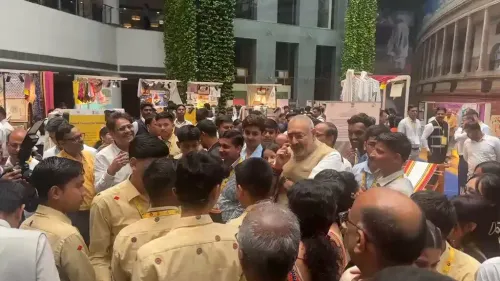
At the roof of the world, a goat produces fibre so fine it can pass through a wedding ring — and Union Textiles Minister Giriraj Singh wants the world to know where it comes from. On Friday, 23 October 2026, the minister took to X to back the Ladakh Pashmina Conclave 2026, calling it a 'critical initiative' to secure global recognition, raise quality standards, and expand markets for one of India's most storied luxury fibres.
Posting in Hindi, Singh wrote that the conclave would 'strengthen the livelihoods of local herders and artisans' and give 'a new identity to India's traditional craft heritage.' The message is pointed: Pashmina is not merely a fabric, it is the economic lifeline of high-altitude Ladakh, woven into the lives of Changthangi goat herders on the Changthang plateau.The fibre, the herder, and the 34,000-foot economy
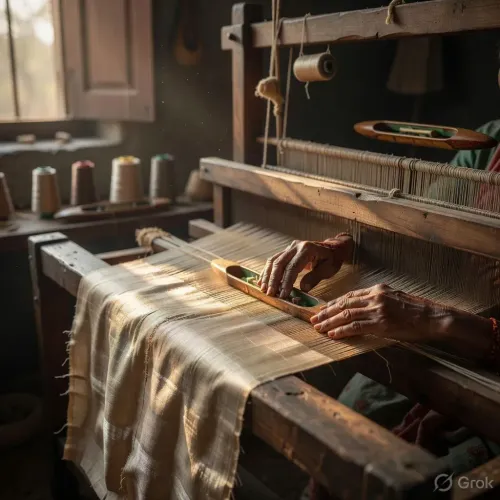
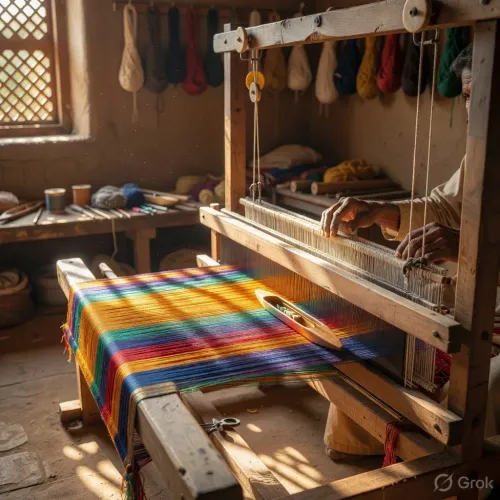
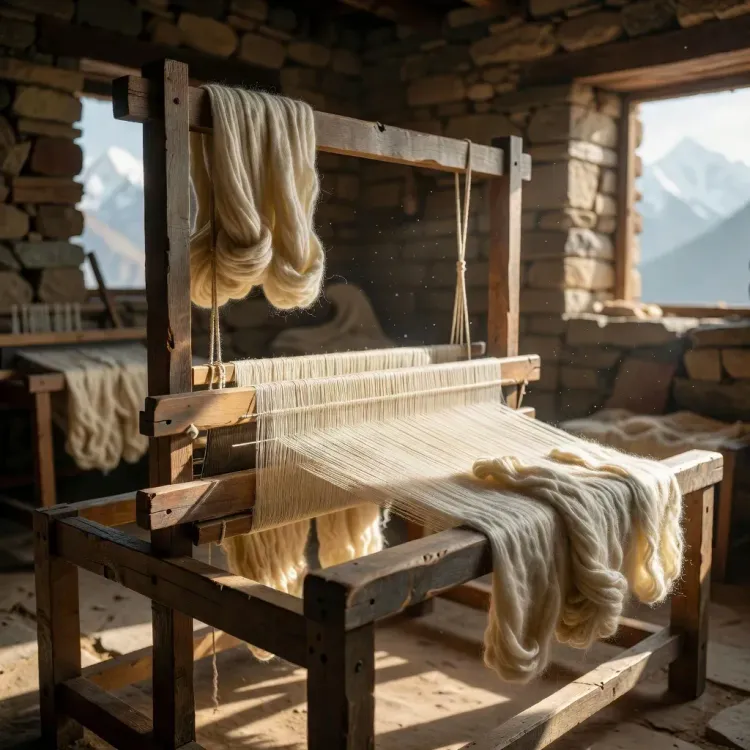
Ladakh's pastoral economy turns on the Changthangi goat, whose undercoat yields raw Pashmina at altitudes above 4,000 metres. The fibre is combed by hand each spring, spun on traditional wheels, and woven into shawls that command premium prices in global luxury markets. Yet for decades, the actual producers — the nomadic herders and the artisan spinners — captured only a fraction of that value, squeezed between middlemen and undercut by machine-made imitations labelled loosely as 'Pashmina.'
A Geographical Indication (GI) tag granted under India's GI Act was a first line of defence: it tied origin to authenticity and gave Ladakhi Pashmina a legal identity that imitations could not claim. But a GI tag alone does not open markets or lift incomes. That requires logistics, branding, buyer connections, and quality traceability — precisely the gaps a conclave-style platform is designed to close.
Where the Conclave fits in India's textile policy arc
The Ministry of Textiles has, across successive governments, run a consistent thread: use GI protection and dedicated promotion events to push traditional handloom and handicraft products into export channels. The broader pattern is clear — elevate origin-linked quality over volume, connect remote producers to national and international buyers, and use cultural visibility as a commercial lever.
For Ladakh specifically, that logic carries extra strategic weight. The Union Territory sits on India's northern border; linking its economy more tightly to national and global markets is both a livelihood imperative and a quiet signal of integration. A thriving Pashmina trade means herders on the Changthang plateau have a material stake in that connection.
What the Conclave is expected to deliver
Singh's post does not detail the conclave's agenda, participants, or funding — and those specifics remain to be confirmed as the event takes shape. What the minister has signalled is the intent: expand the global footprint of Ladakhi Pashmina, raise quality benchmarks, and ensure that the value created flows back to the herders and artisans at the source rather than evaporating in the supply chain.
For the craftswomen who spin Pashmina in stone houses at Leh and the herders who trek across frozen passes to reach summer pastures, the conclave represents a policy bet that their ancient craft can compete — and win — in a modern market on its own terms.
India has the GI tag, the heritage, and now a ministerial push. Whether the 2026 conclave converts all three into sustained income gains for Ladakh's most vulnerable producers is the test worth watching.
Point of View
Moving beyond GI registration toward active market facilitation. The move fits a recognisable policy arc: leverage cultural heritage as export capital while using high-profile events to build buyer-producer networks. For Ladakh specifically, it also carries a quiet sub-text — tightening the economic integration of a strategically sensitive Union Territory by making its border communities commercially viable. The real measure of success will be whether the value unlocked at the conclave actually reaches the Changthangi herders and spinning artisans, or stalls in the middle of the supply chain as has happened with similar initiatives in the past.
NationPress
23 Oct 2026
Frequently Asked Questions
What is the Ladakh Pashmina Conclave 2026?
The Ladakh Pashmina Conclave 2026 is an initiative backed by the Union Ministry of Textiles to expand global recognition, quality standards, and export markets for GI-tagged Ladakhi Pashmina, while strengthening incomes of local herders and artisans.
Why does Ladakh Pashmina have a GI tag?
Ladakh Pashmina was granted a Geographical Indication (GI) tag under India's GI Act to certify its origin from Changthangi goats reared on Ladakh's high-altitude Changthang plateau, protecting it from imitations and preserving its authenticity.
What animal produces Ladakh Pashmina wool?
Ladakh Pashmina is produced from the fine undercoat of the Changthangi goat, a breed native to the Changthang plateau in Ladakh at altitudes above 4,000 metres.
What is Giriraj Singh's role in the textile sector?
Giriraj Singh is India's Union Minister of Textiles. He oversees national policy for handlooms, handicrafts, and the promotion of traditional textile products including GI-tagged items such as Ladakh Pashmina.
How does the Ladakh Pashmina Conclave help local artisans?
By connecting Ladakhi producers with national and international buyers, setting quality benchmarks, and raising the profile of GI-tagged Pashmina, the conclave aims to increase the share of market value that flows back to herders and artisans rather than being captured by intermediaries.