Giriraj Singh Flags Major Policy Changes From July 1
Synopsis
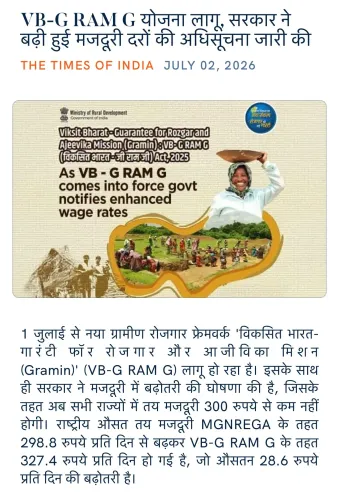
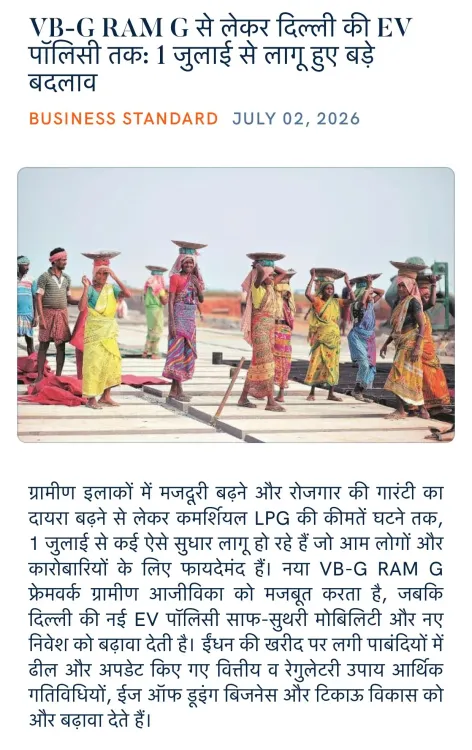
Union Textiles Minister Giriraj Singh flagged a cluster of major regulatory changes effective July 1, 2026, covering the VB-G Ram G Act, Delhi's EV policy, Aadhaar-passport norms and commercial LPG pricing — part of India's routine calendar-driven administrative update cycle.
Key Takeaways
Union Textiles Minister Giriraj Singh highlighted multiple policy changes effective July 1, 2026 , via the NaMo App on July 2.
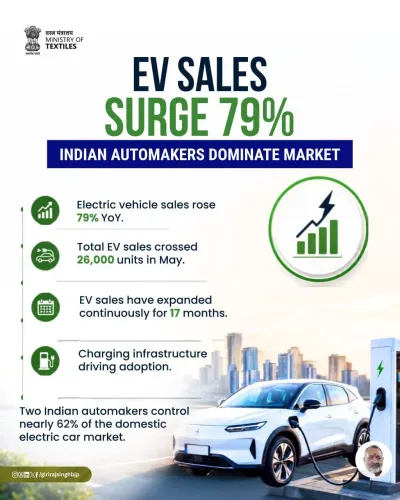
Delhi's Electric Vehicle Policy , first notified in 2020 , is among the schemes cited as having updates from July 1.
Changes to Aadhaar and passport linkage norms affect citizens applying for or updating identity documents nationwide.
Commercial LPG pricing and fuel rules are also part of the July 1 regulatory update bundle.
India routinely aligns regulatory changes to July 1 and April 1 , syncing with administrative and fiscal cycles.
Exact provisions of the VB-G Ram G Act and precise scope of each July 2026 update are subject to official gazette notifications.
Union Textiles Minister Giriraj Singh on Thursday, July 2, 2026, shared a roundup of significant regulatory and policy changes that came into effect across India from July 1, 2026, highlighting updates spanning identity authentication, electric vehicle incentives, fuel pricing and more. The post, shared via the NaMo App, drew attention to a cluster of simultaneous administrative changes affecting citizens in multiple sectors.
Context
The post references a broad set of changes effective July 1, 2026, including updates tied to the VB-G Ram G Act, Delhi's Electric Vehicle (EV) Policy, passport and Aadhaar linkage norms, commercial LPG pricing and fuel-related rules. Giriraj Singh flagged these developments collectively, underscoring the scale of regulatory activity aligned to the start of a new administrative quarter.
India's central and state governments routinely bundle regulatory, digital and environmental changes to take effect on July 1 or April 1, in sync with administrative and fiscal cycles. This pattern allows coordinated implementation across ministries and departments.
Policy Backdrop
Delhi's Electric Vehicle Policy, originally notified in 2020, provides demand-side incentives — including subsidies and waiver of road tax and registration fees — alongside targets for charging infrastructure, aimed at reducing vehicular emissions in the capital. Any revision or extension of this policy from July 1, 2026 would directly affect EV buyers and fleet operators in Delhi.
On the identity front, Aadhaar linkage with passports has been progressively mandated through executive orders and court directions since 2018, making biometric authentication central to citizen-facing services. Changes to passport and Aadhaar norms as of July 1 would affect applicants and those seeking document updates nationwide.
Commercial LPG cylinder prices in India are revised periodically by oil marketing companies, and any adjustment from July 1 carries implications for hospitality, catering and small business operators who depend on commercial fuel supply.
Stakeholders and Impact
The changes cited by Giriraj Singh touch a wide cross-section of citizens: prospective EV buyers in Delhi watching for subsidy eligibility, passport applicants navigating updated Aadhaar authentication requirements, commercial LPG consumers adjusting to revised pricing, and vehicle owners subject to any new compliance norms under the referenced legislation.
The simultaneous rollout of changes across sectors means that both urban and rural populations, as well as businesses, are affected within the same administrative window — a feature of India's calendar-driven policy implementation approach.
What's Next
Observers will watch for early data on EV registrations and subsidy disbursements in Delhi under the updated policy, as well as official gazette notifications and ministry clarifications spelling out the precise provisions of the VB-G Ram G Act and associated rule changes. Implementation bottlenecks, if any, are likely to surface within the first few weeks of the new quarter.
As more citizens encounter these changes in daily transactions — from fuel purchases to passport applications — feedback from ground-level implementation will shape whether further administrative adjustments are warranted before the next major policy cycle.
Point of View
Reform-oriented government that keeps citizens informed of regulatory shifts. By aggregating changes across sectors — mobility, identity, fuel — the post implicitly frames the July 1 update cycle as evidence of governance momentum. Whether the highlighted changes represent substantive policy advances or routine administrative revisions will depend on the specific provisions that emerge through official notifications.
NationPress
2 Jul 2026
Frequently Asked Questions
What changes came into effect in India from July 1, 2026?
From July 1, 2026, several regulatory updates took effect, including provisions under the VB-G Ram G Act, revised Delhi Electric Vehicle Policy incentives, updated Aadhaar-passport linkage norms and changes to commercial LPG pricing. The exact scope of each change is subject to official gazette notifications.
What is the Delhi EV Policy and what changed in July 2026?
Delhi's Electric Vehicle Policy was originally notified in 2020 to promote EV adoption through subsidies, road tax waivers and charging infrastructure targets. Updates effective July 2026 are expected to revise or extend these incentives, though precise provisions await official clarification.
How does the Aadhaar-passport linkage affect citizens from July 2026?
Aadhaar linkage with passports has been progressively mandated since 2018. Any updated norms from July 1, 2026 would affect individuals applying for new passports or updating existing ones, requiring biometric authentication as part of the process.
Why did Giriraj Singh post about July 1 policy changes?
Union Textiles Minister Giriraj Singh shared the update via the NaMo App on July 2, 2026, to highlight the cluster of regulatory changes that came into force simultaneously — consistent with his frequent use of social media to publicise government policy developments.
What is the VB-G Ram G Act?
The VB-G Ram G Act is referenced in the July 2026 policy update roundup shared by Giriraj Singh. Its precise provisions and the specific changes effective from July 1, 2026 are subject to official gazette notifications and ministry clarifications.