Giriraj Singh hails 750 Made-in-India Renault Dusters shipped to Africa
Synopsis
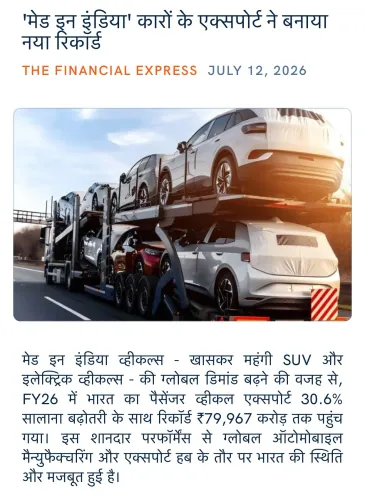
Union Textiles Minister Giriraj Singh has highlighted the export of 750 Made-in-India Renault Duster vehicles to Africa, amplifying the Make in India narrative. The cars are manufactured at the Renault-Nissan plant in Chennai and mark a step in India's push to expand automobile exports to African markets.
Key Takeaways
750 Renault Duster vehicles manufactured in India have been shipped to Africa , as highlighted by Union Textiles Minister Giriraj Singh on 23 June 2026 .
The cars are produced at the Renault-Nissan plant in Oragadam, Chennai , which has carried an export mandate since it commenced operations in 2010 .
The shipment aligns with the Make in India initiative launched by Prime Minister Narendra Modi in September 2014 to boost domestic manufacturing and exports.
Africa has emerged as a growing destination for Indian vehicle exports as part of a strategy to diversify beyond traditional markets in Europe and the US.
The cross-ministerial promotion of the export reflects a whole-of-government approach to the Make in India brand across sectors beyond textiles.
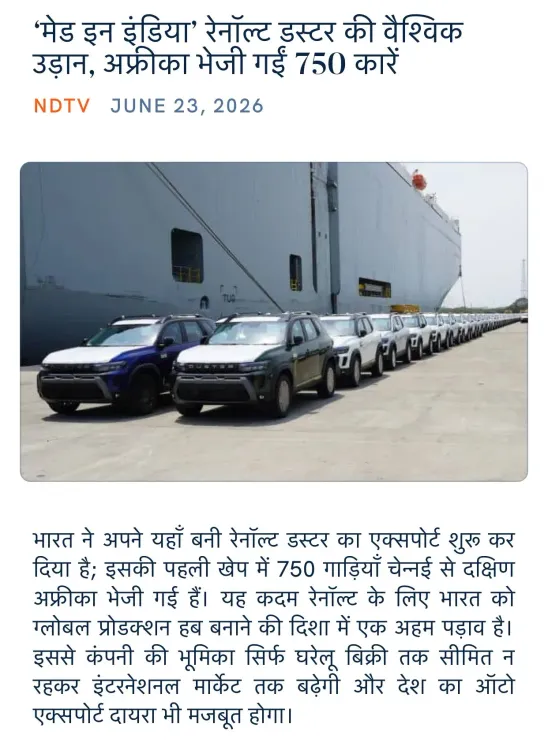
Union Textiles Minister Giriraj Singh on Tuesday, 23 June 2026, shared a post celebrating the export of 750 Made-in-India Renault Duster vehicles to Africa, framing the shipment as a milestone for India's manufacturing ambitions under the Make in India initiative.
Context
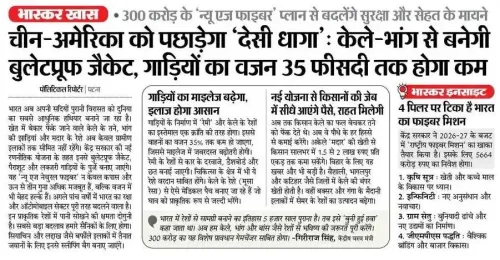
The minister shared the update — 'मेड इन इंडिया' रेनॉल्ट डस्टर की वैश्विक उड़ान, अफ्रीका भेजी गईं 750 कारें ('Made in India Renault Duster takes global flight, 750 cars shipped to Africa') — via the NaMo App, the BJP-affiliated platform frequently used by the ruling party's ministers to amplify government-aligned economic narratives. The post was accompanied by an image and highlights the growing footprint of Indian-manufactured automobiles in African markets.
While Giriraj Singh heads the Ministry of Textiles, his amplification of an automotive export story is consistent with a broader, whole-of-government approach to promoting the Make in India brand across sectors.
Policy Backdrop
The Make in India campaign was launched in September 2014 by Prime Minister Narendra Modi with the explicit goal of transforming India into a global manufacturing and export hub, attracting foreign direct investment and building domestic production capacity across sectors including automobiles.
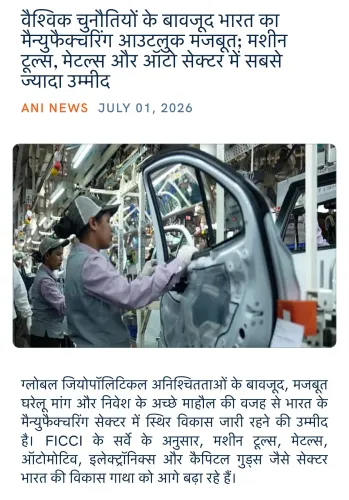
The Renault-Nissan manufacturing plant at Oragadam, Chennai, which commenced operations in 2010, was set up with an export mandate from the outset. The facility produces the Duster model — a compact SUV developed by French automaker Renault — for both the domestic Indian market and international buyers. Africa has steadily emerged as a key destination for Indian vehicle exports as part of a diversified trade strategy extending beyond traditional markets in Europe and the United States.
The automobile sector has been a central pillar of India's merchandise export push, with the government deploying Production Linked Incentive schemes to deepen the competitiveness of domestic manufacturers operating under global OEM partnerships.
Stakeholders and Impact
The primary beneficiaries of this export momentum are Indian auto manufacturers, their supply chains, and workers at plants such as the Oragadam facility near Chennai. For Renault India, the shipment underscores the strategic value of its Indian production base as a global export node.
For African markets, the inflow of competitively priced, India-manufactured SUVs reflects deepening India-Africa trade ties that successive governments have sought to cultivate through bilateral forums and preferential trade arrangements. Indian auto exporters more broadly benefit from the reputational signal that a globally recognised nameplate is being shipped out of Indian factories at scale.
What's Next
Analysts tracking India's export trajectory will watch quarterly merchandise export data from the Ministry of Commerce for confirmation of auto-sector growth trends. Any fresh announcements on auto-sector PLI disbursements or outcomes from India-Africa trade forums will indicate whether this shipment represents a one-off milestone or a sustained export ramp-up. Cross-ministerial amplification of such achievements suggests the Make in India narrative will remain a centrepiece of the government's economic communication ahead of upcoming policy reviews.
Point of View
Logistics infrastructure, and the depth of India-Africa trade frameworks being negotiated.
NationPress
22 Sept 2026
Frequently Asked Questions
What is the Made in India Renault Duster that was shipped to Africa?
The Renault Duster is a compact SUV manufactured at the Renault-Nissan plant in Oragadam, Chennai. A batch of 750 of these India-made vehicles was shipped to Africa, as highlighted by Union Textiles Minister Giriraj Singh on 23 June 2026.
Where is the Renault Duster manufactured in India?
The Renault Duster is manufactured at the Renault-Nissan joint venture plant located in Oragadam, near Chennai, Tamil Nadu, which has been operational since 2010 with an explicit export mandate.
What is the Make in India initiative?
Make in India is a campaign launched by Prime Minister Narendra Modi in September 2014 to transform India into a global manufacturing and export hub by attracting foreign direct investment and boosting domestic production across sectors including automobiles.
Why is India exporting cars to Africa?
India has been actively diversifying its export markets, and Africa has emerged as a key destination for Indian vehicles due to growing trade ties and demand for competitively priced manufactured goods. This is part of India's broader strategy to expand merchandise exports beyond traditional markets in Europe and the US.
Why did Giriraj Singh, a Textiles Minister, post about car exports?
While Giriraj Singh heads the Ministry of Textiles, his post reflects the ruling government's whole-of-government approach to promoting the Make in India brand. Senior ministers across portfolios routinely amplify manufacturing and export milestones to reinforce the economic narrative.