Giriraj Singh Hails World Bank Backing for PM Surya Ghar Scheme
Synopsis
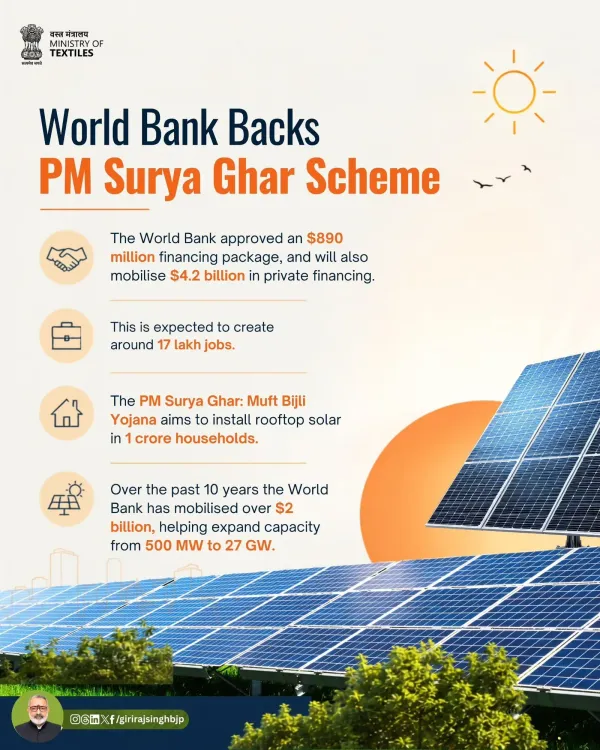
Union Textiles Minister Giriraj Singh on 21 July 2026 hailed the World Bank's backing for the PM Surya Ghar: Muft Bijli Yojana, saying it reflects growing global confidence in India's clean energy transition and the scheme's potential to deliver solar power to crore households while creating lakhs of jobs.
Key Takeaways
Giriraj Singh welcomed World Bank support for PM Surya Ghar: Muft Bijli Yojana on 21 July 2026 .
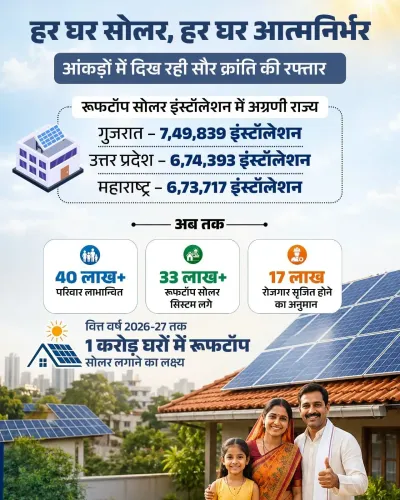
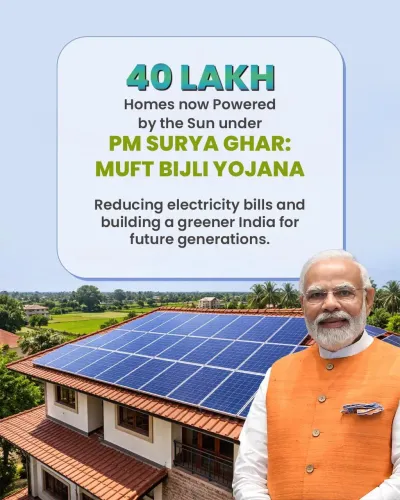
The scheme, launched in February 2024 , targets rooftop solar installations for one crore households with up to 300 units of free electricity per month .
The minister said the scheme will generate new employment for lakhs of people and strengthen India's energy sector.
India has a target of 500 GW non-fossil fuel capacity by 2030 and net-zero emissions by 2070 .
The programme is linked to the Viksit Bharat 2047 development vision.
State-level installation progress and formal multilateral financing terms remain the key metrics to watch.
Union Textiles Minister Giriraj Singh on Tuesday, 21 July 2026, welcomed the World Bank's support for the PM Surya Ghar: Muft Bijli Yojana, calling it a signal that global confidence in India's clean energy transition is steadily growing.
Context
Posting on X, Giriraj Singh wrote — 'वर्ल्ड बैंक द्वारा प्रधानमंत्री सूर्य घर: मुफ्त बिजली योजना को मिला समर्थन इस बात का संकेत है कि भारत की स्वच्छ ऊर्जा की दिशा में उठाए गए कदमों पर दुनिया का भरोसा लगातार बढ़ रहा है' — 'The World Bank's support for the PM Surya Ghar: Muft Bijli Yojana is a signal that the world's trust in India's steps towards clean energy is continuously growing.' The senior BJP leader and Lok Sabha MP from Begusarai, Bihar, framed the multilateral endorsement as international validation of the government's solar ambitions.
The minister further stated the scheme will play a 'crucial role' in delivering solar energy to crores of homes, generating new employment opportunities for lakhs of people, and strengthening the country's position in the energy sector.
Policy Backdrop
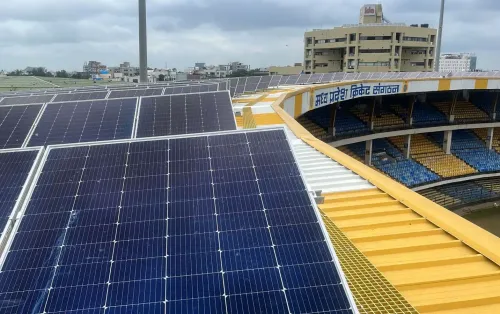
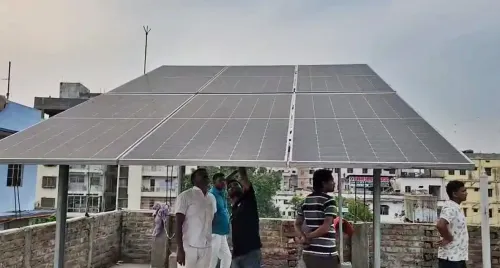
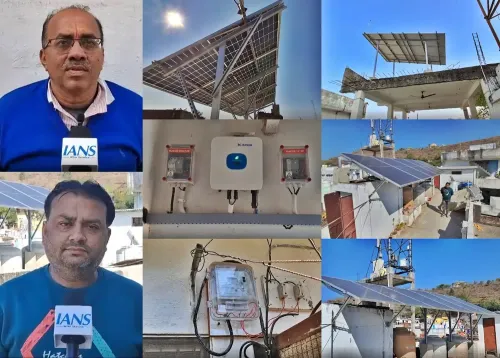
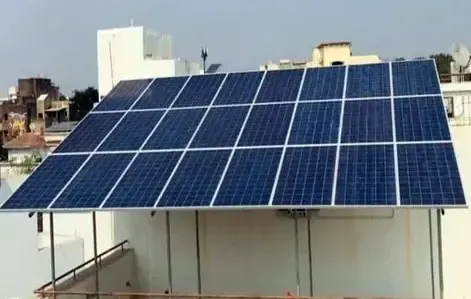
The PM Surya Ghar: Muft Bijli Yojana was launched in February 2024 with central financial assistance channelled through a state implementation framework. The scheme targets rooftop solar installations for one crore households, providing up to 300 units of free electricity per month to eligible beneficiaries.
The programme sits within India's broader renewable energy architecture, which includes a target of 500 GW of non-fossil fuel capacity by 2030 and a net-zero emissions goal by 2070. The World Bank has historically been a significant financier of India's climate and infrastructure programmes, and its engagement with this scheme reflects continued multilateral appetite for distributed solar generation projects.
The scheme is also aligned with Viksit Bharat 2047, the government's official development roadmap to position India as a developed economy by the centenary of independence.
Stakeholders and Impact
The primary beneficiaries are residential households, particularly in states where grid reliability and electricity costs remain a challenge. Rooftop solar installations under the scheme are expected to reduce monthly electricity bills for crores of families while simultaneously stimulating demand in the domestic solar manufacturing and installation sector.
The rooftop solar industry stands to gain from the scale of rollout, with installation, maintenance, and component supply creating what the minister described as 'new employment opportunities for lakhs of people.' The World Bank's involvement is expected to bring not only financing but also technical assistance and implementation oversight to accelerate state-level progress.
What's Next
Attention will now turn to state-level installation progress reports and the precise terms of any supplementary financing agreements formalised with multilateral development banks in the current fiscal year. The pace of household onboarding and grid connectivity will be key indicators of whether the scheme's welfare and employment objectives are being met on the ground. Sustained international financial backing, if formalised, could accelerate India's distributed solar capacity well ahead of its 2030 targets.
Point of View
Underscoring how the BJP has made PM Surya Ghar a cross-portfolio political asset ahead of state elections. The invocation of World Bank support serves a dual purpose: lending technocratic credibility to a welfare scheme and signalling to domestic audiences that India's energy diplomacy is bearing fruit. Framing the multilateral endorsement through the lens of 'Viksit Bharat 2047' ties the scheme to a longer civilisational narrative rather than a single-term policy deliverable. The post reflects a broader BJP communications pattern of using international institutional validation to deflect domestic criticism of implementation pace.
NationPress
21 Jul 2026
Frequently Asked Questions
What is PM Surya Ghar Muft Bijli Yojana?
PM Surya Ghar: Muft Bijli Yojana is a central government rooftop solar scheme launched in February 2024 that aims to provide up to 300 units of free electricity per month to one crore households across India through subsidised solar panel installations.
Has the World Bank supported PM Surya Ghar scheme?
Union Textiles Minister Giriraj Singh stated on 21 July 2026 that the World Bank has extended support to the PM Surya Ghar: Muft Bijli Yojana, calling it a sign of growing global confidence in India's clean energy direction. The exact terms of the support had not been officially detailed at the time of the post.
How many households will benefit from PM Surya Ghar scheme?
The PM Surya Ghar: Muft Bijli Yojana targets one crore households, providing each with up to 300 units of free electricity per month through rooftop solar installations backed by central financial assistance.
What is India's renewable energy target for 2030?
India has set a target of 500 GW of non-fossil fuel electricity capacity by 2030 and aims to achieve net-zero carbon emissions by 2070, with rooftop solar schemes like PM Surya Ghar forming a key part of the strategy.
What is Viksit Bharat 2047?
Viksit Bharat 2047 is the Indian government's official development vision to transform India into a developed economy by 2047, the centenary of independence. Clean energy access and job creation through schemes like PM Surya Ghar are positioned as pillars of this roadmap.