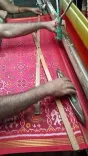
Giriraj Singh Spotlights Weaver Housing Scheme Beneficiary
Synopsis
Union Textiles Minister Giriraj Singh spotlighted Chhattisgarh weaver Deepika Sahu as a beneficiary of the Weaver Housing cum Workshed Scheme, calling it a meaningful step toward giving artisan families a permanent home and workspace.
Key Takeaways
Union Textiles Minister Giriraj Singh publicly highlighted the Weaver Housing cum Workshed Scheme on October 17, 2026 .
Deepika Sahu , a weaver from Chhattisgarh , received a permanent ( pucca ) house and dedicated workspace under the scheme.
The scheme is designed to combine residential and workspace support for handloom weaver families in a single intervention.
The initiative aligns with the National Handloom Development Programme launched in 2015 , which provided the policy template for infrastructure-plus-welfare support.
India's handloom sector is the country's second-largest rural employer after agriculture, underlining the scale of the scheme's potential impact.
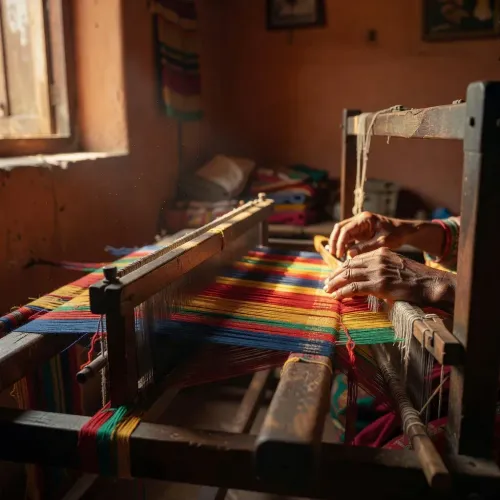
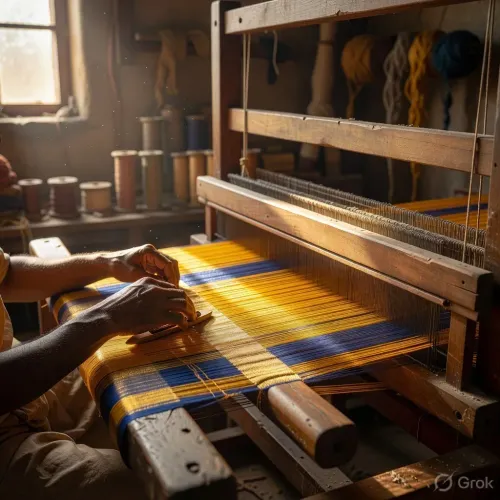
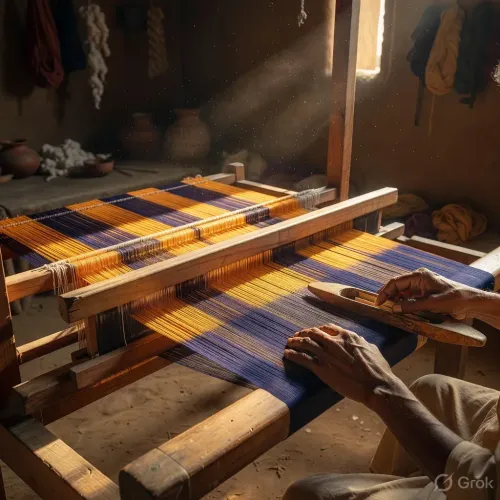
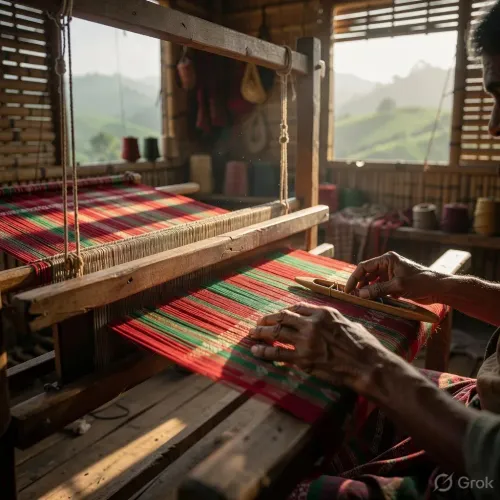
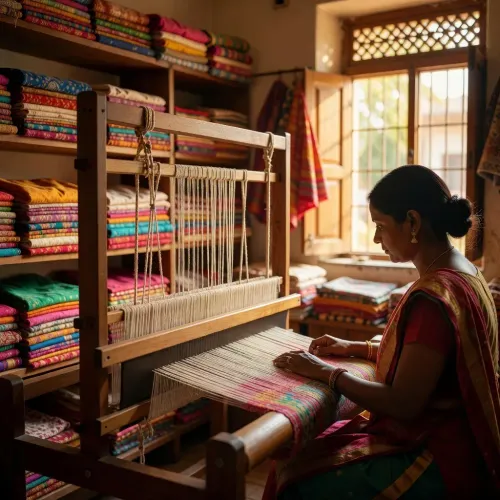
A permanent roof over her head and a dedicated workspace to ply her craft — for Deepika Sahu, a weaver from Chhattisgarh, that combination is no longer a dream. Union Textiles Minister Giriraj Singh on Saturday, October 17, 2026, highlighted her story as a living example of what the Weaver Housing cum Workshed Scheme is designed to deliver.
Posting on X, Minister Singh described the scheme as a 'sarthak pahal' — a meaningful initiative — aimed at realising the aspirations of weaver families and strengthening their craft. He noted that Deepika Sahu's access to a pucca (permanent) house and a functional worksite has 'opened a path of new hope and self-reliance' in her life.
What the Weaver Housing cum Workshed Scheme Offers
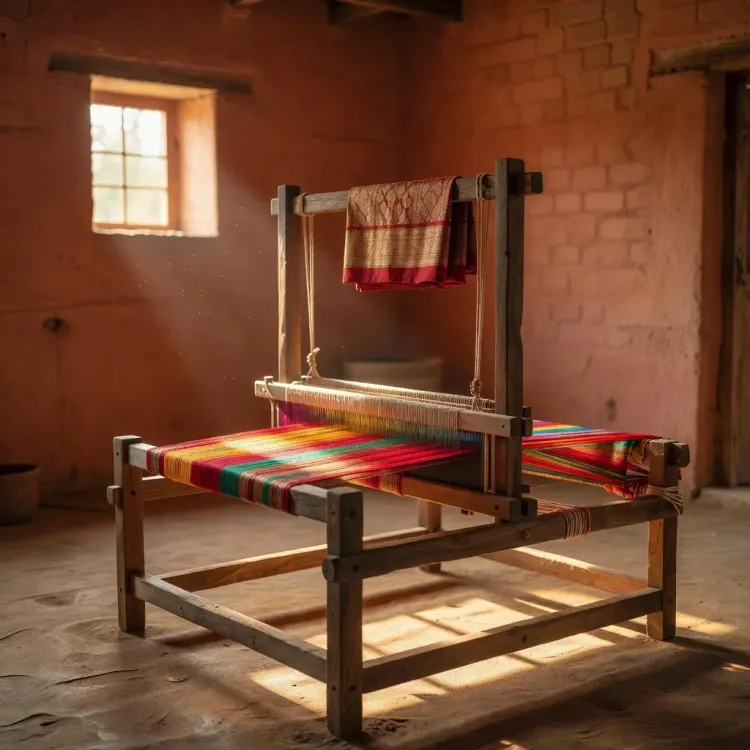
The Weaver Housing cum Workshed Scheme, administered by the Ministry of Textiles, is built around a single insight: a loom needs a stable home as much as the weaver does. By combining a permanent residential structure with an attached workshed, the scheme eliminates the informal, often cramped arrangements in which many handloom artisans have traditionally worked and lived.
The initiative sits within the broader welfare architecture for handloom artisans that the Ministry has been consolidating. The National Handloom Development Programme, launched in 2015, had already set the template — infrastructure and welfare support delivered together — and the housing-cum-workshed component extends that logic directly to the doorstep of beneficiary families.
Deepika Sahu's Story as a Mirror for Millions
Chhattisgarh has a long tradition of handloom weaving, and families like Deepika Sahu's represent both its continuity and its vulnerability. Without secure housing, a weaver's workspace is often seasonal, shared, or inadequate — conditions that suppress output, limit income, and push younger family members away from the craft.
The Minister's choice to name a specific individual — rather than cite aggregate numbers — is deliberate. It anchors an abstract scheme in a concrete human outcome, making the policy legible to the public and to prospective beneficiaries across other states.
Handloom Welfare on the Ministry's Agenda
The post is part of a sustained pattern of communication from the Textiles Ministry: spotlighting ground-level implementation of welfare schemes rather than only announcing them from Delhi. State-wise rollout data and the Ministry's annual welfare allocations will determine how many more weavers follow Deepika Sahu's path. The signal from Giriraj Singh is clear — the scheme is active, it is producing results, and the Ministry intends to keep the spotlight on it.
India's handloom sector employs millions, making it the second-largest rural employer after agriculture. Every loom that finds a permanent, dignified home is one more thread in that vast fabric holding together rural livelihoods.
Point of View
Moving beyond aggregate announcements to named, verifiable outcomes. Naming Deepika Sahu from Chhattisgarh — a state with both a competitive electoral landscape and a rich handloom tradition — is a calculated choice that serves both policy communication and political optics. The scheme's convergence of housing and livelihood mirrors the logic of larger flagship programmes, suggesting the Textiles Ministry is aligning its welfare narrative with the government's broader 'last-mile delivery' messaging. How consistently this model scales across other weaving clusters will determine whether it becomes a template or remains a curated showcase.
NationPress
17 Oct 2026
Frequently Asked Questions
What is the Weaver Housing cum Workshed Scheme?
The Weaver Housing cum Workshed Scheme is a Ministry of Textiles initiative that provides handloom weaver families with a permanent residential structure and an attached workshed, combining housing welfare with livelihood support in a single programme.
Who is Deepika Sahu?
Deepika Sahu is a handloom weaver from Chhattisgarh who was highlighted by Union Textiles Minister Giriraj Singh as a beneficiary of the Weaver Housing cum Workshed Scheme, receiving a pucca house and workspace.
Who administers the Weaver Housing cum Workshed Scheme?
The scheme is administered by the Union Ministry of Textiles, headed by Minister Giriraj Singh.
How does the Weaver Housing cum Workshed Scheme relate to the National Handloom Development Programme?
The National Handloom Development Programme, launched in 2015, established the policy framework of combining infrastructure and welfare support for weavers; the Weaver Housing cum Workshed Scheme extends that approach by directly providing homes and workspaces to beneficiary families.
How many people does India's handloom sector employ?
India's handloom sector is the country's second-largest rural employer after agriculture, making welfare schemes for weavers significant in scale and reach.