Giriraj Singh visits Mahyco, backs agri-biotech for textile growth
Synopsis
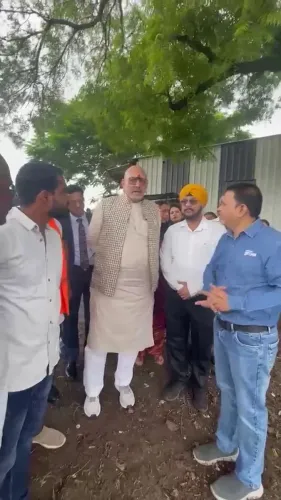
Union Textiles Minister Giriraj Singh visited Mahyco in Maharashtra on 1 August 2026, reviewing biotech-based agricultural research and stressing that innovation in agri and textile sectors can create better prospects for farmers and meet future needs.
Key Takeaways
Union Textiles Minister Giriraj Singh visited Mahyco in Maharashtra on 1 August 2026 to observe biotechnology-based agricultural research.
Singh interacted with experts at the facility and stressed the role of agri-biotech in creating better prospects for farmers.
Mahyco is a key player in India's hybrid seed development, historically linked to the commercial rollout of Bt cotton in 2002 .
The minister underlined that research in agriculture and textiles must be aligned with future needs — framing farm-level innovation as a textile-sector priority.
The visit signals upstream thinking by the Textiles Ministry, connecting fibre crop productivity directly to domestic textile supply security.
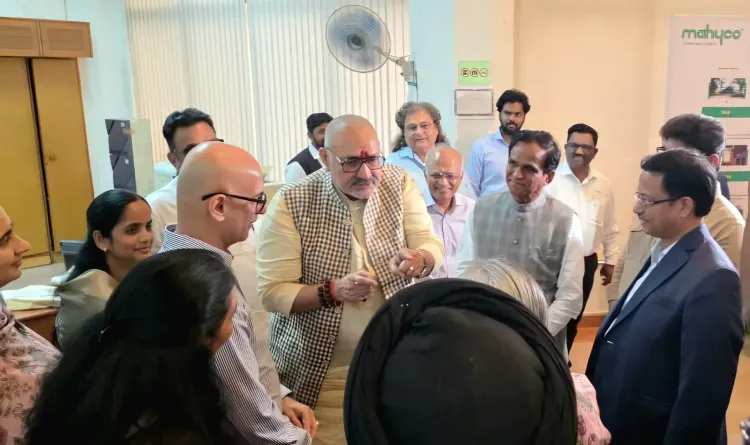
India's cotton-to-cloth chain runs on what farmers grow — and Union Textiles Minister Giriraj Singh took that link seriously on Saturday, 1 August 2026, walking through the research facilities of Mahyco in Maharashtra to examine biotechnology-driven agricultural innovation up close.
Posting in Hindi after the visit, Singh wrote: 'कृषि और टेक्सटाइल से जुड़े क्षेत्रों में अनुसंधान एवं नई तकनीकों का विस्तार किसानों के लिए बेहतर संभावनाएँ तैयार करने के साथ-साथ भविष्य की आवश्यकताओं के अनुरूप समाधान विकसित करने में भी महत्वपूर्ण भूमिका निभा सकता है' — 'Expanding research and new technologies in agriculture and textiles can play a vital role in creating better prospects for farmers while also developing solutions aligned with future needs.' He added that he interacted with experts at the facility and observed ongoing biotech-based research and innovation.
Mahyco and the cotton-textile thread
Mahyco — Maharashtra Hybrid Seeds Company — is one of India's oldest and most recognised names in hybrid seed development. The company's history is inseparable from the story of Bt cotton, the genetically modified variety commercially released in India in 2002 that reshaped the country's cotton cultivation landscape. That single technological shift expanded the area under cotton and lifted output, feeding directly into the raw-material pipeline for domestic textile manufacturers. For a Textiles Minister to visit a seed company is, in itself, a statement. It signals that the ministry is thinking upstream — not just at the loom or the mill, but at the field where the fibre begins.Why agri-biotech matters to India's textile ambitions
India is among the world's largest producers and exporters of cotton and cotton textiles, but fibre quality, yield consistency, and climate resilience remain persistent pressure points. Successive governments have encouraged public-private collaboration in agricultural biotechnology to address exactly these gaps — raising productivity of fibre crops while reducing dependence on water, pesticides, and erratic monsoons. The Textiles Ministry has periodically flagged the farm-to-fabric linkage as a strategic priority. A minister personally engaging with biotech researchers at a facility like Mahyco fits that pattern — but Singh's visit also raises the stakes. Any follow-up from the ministry on biotechnology adoption pilots, or an update to the cotton research agenda under an upcoming textile policy framework, will be watched closely by both cotton farmers and textile manufacturers. The message from Maharashtra is clear: the future of India's textile sector may well be engineered at the seed level.Point of View
Not just an agriculture department concern. Singh's Mahyco visit fits into a broader pattern of the NDA government framing the farm-to-fabric chain as an integrated strategic asset. If the ministry follows the visit with concrete pilots or policy announcements on biotech cotton varieties, it could mark a meaningful shift in how India's textile competitiveness is pursued — from export incentives and PLI schemes downstream to varietal innovation upstream. The political subtext is also notable: Singh, an MP from Bihar's Begusarai, is building a visible profile as a minister who engages with the science behind his portfolio.
NationPress
1 Aug 2026
Frequently Asked Questions
Why did Giriraj Singh visit Mahyco in Maharashtra?
Union Textiles Minister Giriraj Singh visited Mahyco in Maharashtra on 1 August 2026 to observe biotechnology-based agricultural research and innovation, and to interact with experts about how such research can benefit farmers and the textile sector.
What is Mahyco and why is it significant for Indian agriculture?
Mahyco, or Maharashtra Hybrid Seeds Company, is one of India's leading hybrid seed developers. It played a central role in the commercial introduction of Bt cotton in India in 2002, which significantly expanded cotton cultivation and output.
What is the connection between agricultural biotechnology and India's textile sector?
India's textile industry depends heavily on domestically grown cotton. Advances in agricultural biotechnology — such as improved seed varieties — can boost fibre yield, quality, and climate resilience, directly strengthening the raw-material base for textile manufacturers.
What did Giriraj Singh say after visiting Mahyco?
Singh said that expanding research and new technologies in agriculture and textiles can create better prospects for farmers and help develop solutions aligned with future needs, highlighting the importance of agri-biotech innovation.
What should we watch for after Giriraj Singh's Mahyco visit?
Any follow-up announcements from the Ministry of Textiles on biotechnology adoption pilots, updates to the cotton research agenda, or new elements of an upcoming textile policy framework linked to farm-level innovation.