Kota mothers demand kidney transplants or euthanasia after C-section failures
Synopsis
Five mothers who went to Kota Medical College to give birth are now demanding euthanasia after more than 70 days of post-C-section kidney failure and relentless dialysis — while five other women died following childbirth in Banswara. Rajasthan's maternal healthcare system is facing its most pointed accountability crisis in years, and the state's response so far has been a closed-door meeting and a minister who left without meeting grieving families.
Key Takeaways
Five mothers at Kota Medical College developed kidney failure after Caesarean deliveries between 4 May and 8 May 2026 .
On 16 July 2026 , four of the women submitted a memorandum to the President of India demanding kidney transplants or euthanasia.
Patient Aarti was shifted to the ICU after refusing dialysis; Dhanni Bai and Pinky also refused scheduled sessions.
Dr Nilesh Jain , Principal of Kota Medical College, said transplant eligibility can only be assessed after three to six months .
In Banswara , five women died following childbirth ; Health Minister Gajendra Singh Khimsar visited but left without meeting grieving families.
Former CM Ashok Gehlot has demanded compensation and lifelong free treatment, calling both cases 'institutional failure.'
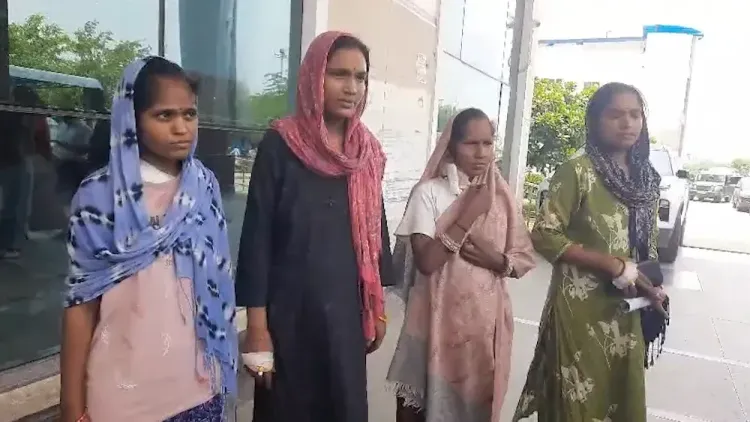
Five young mothers who were admitted to Kota Medical College for childbirth are now fighting for their lives after developing acute kidney failure following Caesarean deliveries performed between 4 May and 8 May 2026. More than 70 days after their surgeries, the women remain tethered to dialysis machines, and on Wednesday, 16 July, four of them submitted a memorandum to the President of India with a devastating ultimatum: arrange kidney transplants or grant them permission for euthanasia.
The Human Cost Behind the Demand
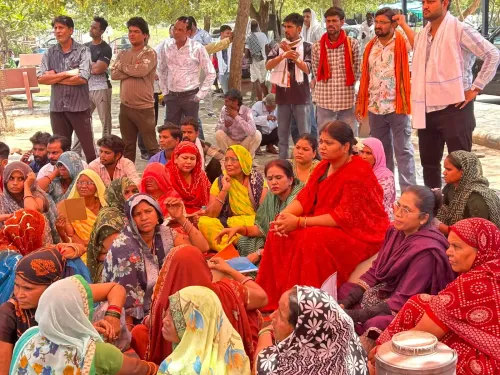
Patient Ragini, speaking publicly for the first time, described the toll of life reduced to a cycle of pain and medical procedures. 'We came here to give birth. Instead, we have been in this hospital for over two months. Every two or three days, we undergo dialysis. The pain is unbearable. We develop fevers, our condition worsens, and our families are falling apart. My husband has even lost his job. We don't know how long we can survive this way. Either arrange a kidney transplant or grant us permission for euthanasia,' she said.
The women's families had earlier issued a 48-hour ultimatum to the hospital administration demanding transplant arrangements. When no breakthrough came, the women escalated their protest by refusing dialysis. Patient Dhanni Bai declared she would no longer undergo the procedure. Pinky and Aarti also refused scheduled sessions. Aarti's health deteriorated rapidly after missing treatment, forcing doctors to shift her to the Intensive Care Unit (ICU).
What the Hospital Has Said
Dr Nilesh Jain, Principal of Kota Medical College, stated that the women's condition is currently stable but their kidneys have not yet recovered. He said dialysis will continue as medically required, and that any decision regarding kidney transplantation can only be considered after three to six months, once doctors assess whether natural recovery is possible. The timeline offers little immediate relief to women and families already stretched beyond their limits.
Banswara Deaths Deepen the Crisis
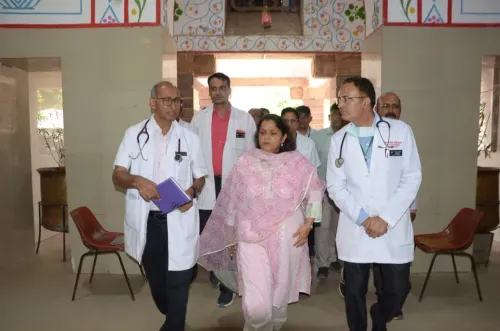
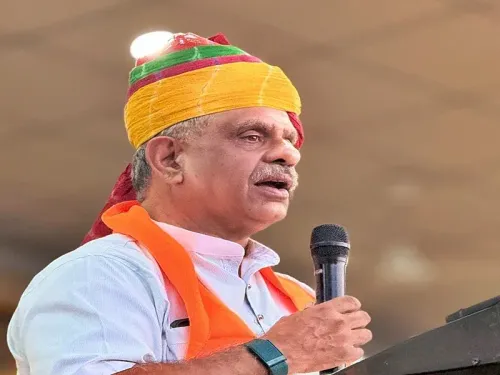
Even as the Kota situation commands attention, a parallel tragedy has sharpened scrutiny of Rajasthan's public health infrastructure. In Banswara, five women died following childbirth, prompting a visit by Health Minister Gajendra Singh Khimsar to the district hospital on Wednesday. The minister, however, stated that only two of the deaths appeared to warrant detailed investigation.
After a closed-door meeting with senior officials and hospital administrators, the minister told reporters that each case was being examined individually. He noted that one deceased woman was from Madhya Pradesh, while another had reportedly reached the hospital in critical condition after consuming abortion medication. His visit drew sharp criticism after he left without meeting the grieving families, offering condolences, or visiting the newborn child of one of the deceased mothers who remains hospitalised. The minister's visit lasted less than two hours.
Political Response and Accountability Demands
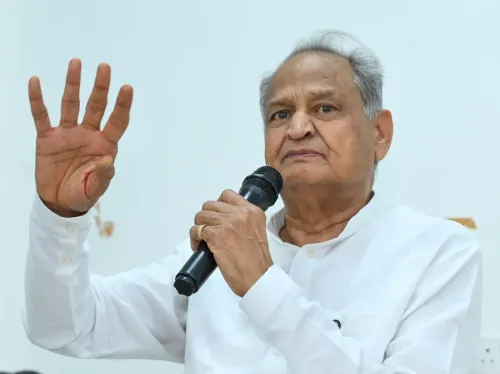
Former Chief Minister Ashok Gehlot has called for adequate compensation for the next of kin of the deceased women and a guarantee of lifelong free medical treatment for those still undergoing care, terming both cases as 'institutional failure.' Gehlot stated that he personally visited the hospital in Kota on 17 June 2026 and found the situation and the condition of the affected women 'extremely concerning,' adding that all the women belong to weaker sections of society and require additional care and support.
Together, the two unfolding crises — five mothers battling kidney failure in Kota and five maternal deaths in Banswara — have intensified demands for an independent investigation into maternal healthcare standards, surgical safety, and emergency response systems across the state.
A Countdown Measured in Dialysis Sessions
For the women lying in Kota's nephrology ward, the policy debate is secondary to survival. Each day is measured not in hours but in the countdown to the next dialysis session, and in the dwindling hope that their plea will be heard before their bodies give out. Whether the state government will respond with urgency — or whether this becomes another entry in Rajasthan's ledger of unaddressed public health failures — remains to be seen.
Point of View
With no transplant pathway in sight after 70 days, points to a failure of postoperative monitoring, informed consent, and institutional accountability. The Banswara deaths compound the picture: a Health Minister who holds a closed-door review and leaves without facing bereaved families is not managing a crisis — he is managing optics. Rajasthan's maternal mortality and morbidity data have long signalled structural gaps in its public health delivery, particularly for women from lower-income communities. What is missing is not just resources but the political will to treat these cases as the systemic failures they are, rather than isolated incidents requiring individual examination.
NationPress
16 Jul 2026
Frequently Asked Questions
What happened to the five mothers at Kota Medical College?
Five women admitted to Kota Medical College for childbirth developed acute kidney failure following Caesarean deliveries performed between 4 May and 8 May 2026. More than 70 days later, they remain dependent on regular dialysis and have demanded kidney transplants or euthanasia in a memorandum to the President of India.
Why are the Kota mothers demanding euthanasia?
The women say they can no longer endure the physical pain, recurring fevers, and financial ruin caused by prolonged dialysis dependency. Patient Ragini stated her husband has lost his job and the family is 'falling apart.' With no transplant timeline confirmed, the women see euthanasia as the only alternative to indefinite suffering.
What did Kota Medical College say about kidney transplants?
Dr Nilesh Jain, Principal of Kota Medical College, said the women's condition is stable but their kidneys have not recovered. He indicated that transplant eligibility can only be assessed after three to six months, once doctors determine whether natural kidney recovery is possible.
What happened in Banswara and how does it relate to the Kota case?
Five women died following childbirth at a hospital in Banswara, Rajasthan. Health Minister Gajendra Singh Khimsar visited on 16 July 2026 but said only two deaths warranted detailed investigation. His departure without meeting grieving families drew criticism. Together with the Kota case, the Banswara deaths have triggered demands for an independent probe into maternal healthcare across Rajasthan.
What has the political response been to these maternal healthcare failures?
Former Chief Minister Ashok Gehlot visited Kota hospital on 17 June 2026 and described the situation as 'extremely concerning.' He has since demanded adequate compensation for the next of kin of those who died in Banswara and lifelong free medical treatment for the Kota mothers, calling both cases 'institutional failure.'