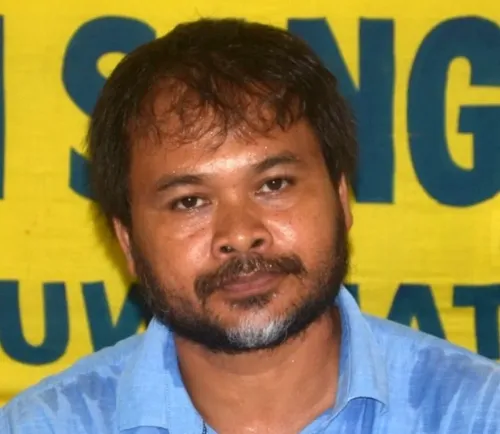
Akhil Gogoi slams One Nation One Election as threat to federalism
Synopsis
Raijor Dal chief Akhil Gogoi has escalated the One Nation One Election debate from Assam, warning the Centre's proposal would convert India into a unitary state and predicting a nationwide democratic movement if it is forced through — a signal that ONOE opposition now runs deep into regional politics, not just national parties.
Key Takeaways
Akhil Gogoi , Raijor Dal chief and Sibsagar MLA, condemned the One Nation, One Election (ONOE) proposal on 16 July in Guwahati .
Gogoi alleged the initiative would transform India from a federal democracy into a unitary state, violating the Constitution.
He warned of a 'massive democratic movement' if the Centre pursues ONOE, with opposition parties and civil society groups expected to resist.
The Centre has defended ONOE as a means to cut election expenditure and improve governance continuity.
Multiple opposition parties have raised constitutional, logistical, and federal objections to the proposal at the national level.
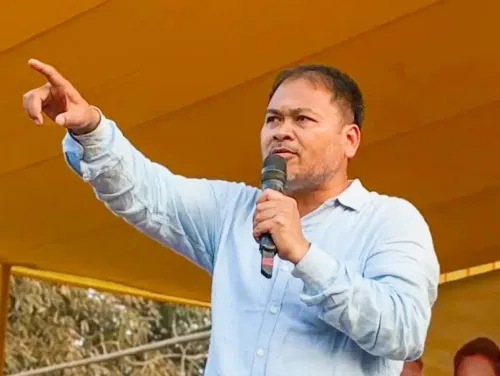
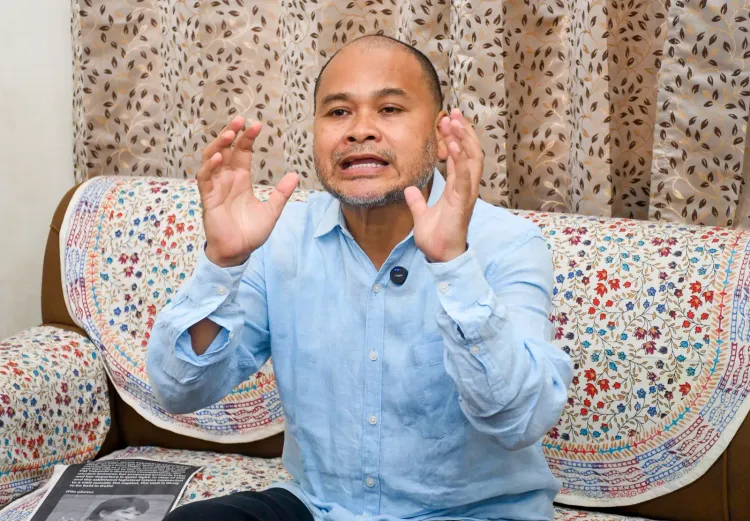
Raijor Dal chief and Sibsagar MLA Akhil Gogoi on Thursday, 16 July launched a pointed attack on the Centre's proposed One Nation, One Election (ONOE) initiative in Guwahati, alleging the plan is designed to weaken India's federal structure and concentrate power at the Centre. Gogoi demanded the proposal be withdrawn, calling it constitutionally incompatible with India's democratic framework.
What Gogoi Said
Addressing reporters, Gogoi argued that simultaneous elections would fundamentally erode state autonomy and push India toward a unitary model of governance — a shift he described as contrary to the spirit of the Constitution.
'One Nation, One Election is an attempt to transform India from a federal democracy into a completely unitary state. India is a Union of states, and no government has the authority to dilute that constitutional principle,' Gogoi said.
He further alleged the initiative reflected an 'authoritarian mindset' and warned that it would face widespread public resistance if the Centre pressed ahead.
A Warning of Democratic Pushback
Gogoi cautioned that forcing the proposal on the country would trigger a 'massive democratic movement,' with citizens mobilising to defend the Constitution and India's federal character. He added that opposition parties and civil society groups were prepared to resist any implementation that compromised state rights and powers.
The Broader Political Debate
The ONOE proposal — which envisages synchronised elections to the Lok Sabha and all state legislative assemblies — has ignited intense political debate nationally. The Centre has argued that simultaneous polls would reduce election-related expenditure, improve governance continuity, and limit disruptions from the near-perpetual election cycle India currently operates under.
However, several opposition parties have pushed back, raising constitutional, logistical, and federal objections. Critics argue the proposal could disadvantage regional parties and strip states of the flexibility to hold elections when politically warranted. Notably, a high-level committee led by former President Ram Nath Kovind submitted a report backing ONOE earlier in 2024, but the Opposition dismissed its findings as a rubber-stamp exercise.
Why It Matters
Gogoi's intervention signals that resistance to ONOE is not confined to national opposition parties — it is gaining traction among regional voices from states like Assam, where questions of federal autonomy carry particular historical weight. The ONOE debate remains one of the sharpest fault lines between the ruling dispensation and the Opposition heading into the next legislative session.
Point of View
But it sidesteps the harder question: who decides when a state government loses its mandate? Tying state election timelines to the Lok Sabha cycle could effectively insulate underperforming state governments from early accountability. The Kovind committee report, while substantive in scope, did not resolve these structural objections — and until it does, voices like Gogoi's will only grow louder.
NationPress
15 Oct 2026
Frequently Asked Questions
What is the One Nation, One Election proposal?
One Nation, One Election (ONOE) is a proposal by the Centre to synchronise elections to the Lok Sabha and all state legislative assemblies so they are held simultaneously. Proponents argue it would reduce election-related expenditure and improve governance continuity, while critics contend it raises serious constitutional, logistical, and federal concerns.
Why is Akhil Gogoi opposing One Nation, One Election?
Gogoi argues that ONOE would erode state autonomy and push India toward a unitary model of governance, which he says is contrary to the constitutional principle that India is a Union of states. He has called the proposal an expression of an 'authoritarian mindset' and demanded its withdrawal.
What has the Centre said in favour of ONOE?
The Centre has argued that simultaneous elections would reduce the financial cost of repeated elections, improve governance by limiting the frequency of the Model Code of Conduct, and reduce disruptions caused by India's near-continuous election cycle.
What is the current status of the ONOE proposal?
The proposal remains a subject of intense national debate. A high-level committee led by former President Ram Nath Kovind submitted a report backing ONOE, but multiple opposition parties have rejected its findings and continue to raise constitutional and federal objections. No legislation has been passed to implement it.