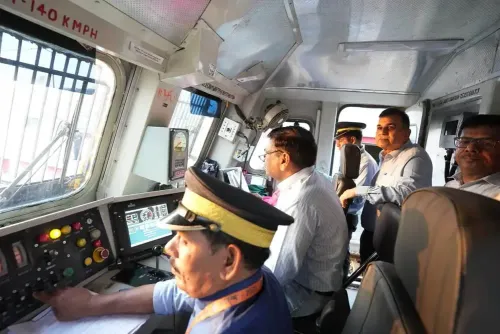
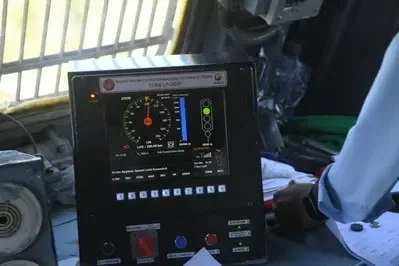
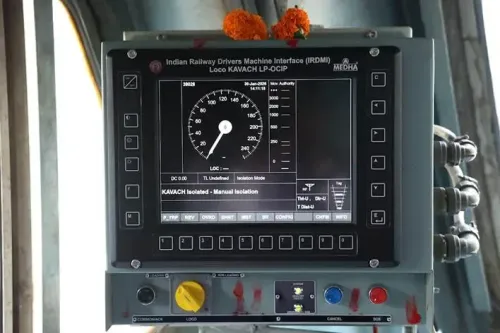
Kavach train safety system approved for 631 km of East Coast Railway at ₹270 crore
Synopsis
The Centre has cleared ₹270 crore for Kavach — India's homegrown collision-avoidance system — across 631 km of East Coast Railway, covering six sections in Odisha. Coming weeks after a ₹405 crore Eastern Railway signal upgrade, the back-to-back sanctions signal that rail safety modernisation is now moving from announcement to execution at scale.
Key Takeaways
The Ministry of Railways approved Kavach deployment on 631 route kilometres of East Coast Railway on 22 June .
The project is estimated to cost ₹270 crore and covers six railway sections across Odisha and neighbouring regions.
Kavach prevents signal passing at danger (SPAD), overspeeding, and train collisions through real-time automated brake application.
The system uses an LTE-based communication backbone aligned with Indian Railways' national rollout standard.
Earlier this month, ₹405 crore was approved for Electronic Interlocking systems at 32 stations under Eastern Railway .
The project is expected to improve safety, punctuality, and operations during adverse weather including dense fog .
The Ministry of Railways on Monday, 22 June approved the deployment of Kavach — India's indigenously developed Automatic Train Protection (ATP) system — across 631 route kilometres (RKm) of the East Coast Railway network at an estimated cost of ₹270 crore. The sanction covers six key railway sections spanning Odisha and neighbouring regions, marking a significant step in the country's rail safety modernisation drive.
Sections Covered Under the Project
The approved deployment will span six railway sections under East Coast Railway: Baghuapal–Budhapank, Haridaspur–Paradeep, Khurda Road–Balangir, Naupada–Gunupur, Lanjigarh Road–Junagarh, and Bobbili–Salur. These corridors serve both passenger and freight operations across strategically important routes in the region.
What Kavach Does
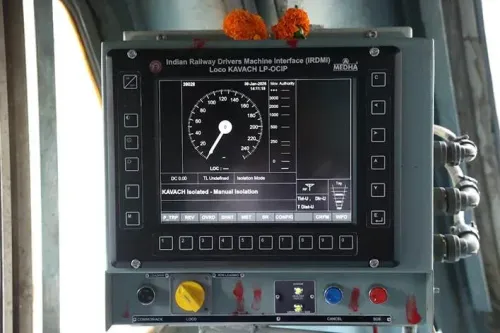
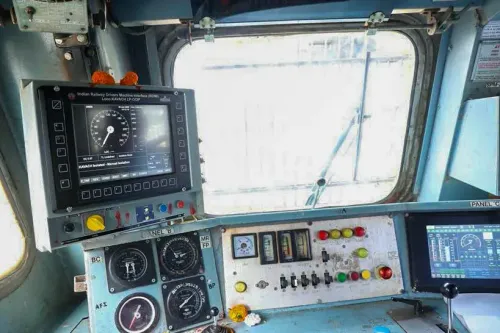
Kavach is designed to prevent three of the most critical categories of rail accidents: signal passing at danger (SPAD), overspeeding, and train collisions. The system continuously monitors train movements in real time and automatically applies brakes whenever a safety threshold is breached. It also improves train operations during adverse weather conditions such as dense fog, where driver visibility is severely compromised.
The East Coast Railway installation will use an LTE-based communication backbone, consistent with Indian Railways' national rollout standard. According to the ministry, the system will deliver automatic collision-avoidance capabilities and improve both punctuality and operational reliability on covered routes.
Part of a Larger Safety Push
This sanction is part of Indian Railways' broader programme to deploy Kavach across the entire national rail network. Notably, earlier this month, the government cleared the installation of Electronic Interlocking (EI) systems at 32 stations on High Density Network (HDN) and Highly Utilised Network (HUN) routes under Eastern Railway, backed by an outlay of ₹405 crore. That project targets improved reliability and operational performance on critical corridors.
Taken together, these back-to-back approvals signal an accelerated push by the Centre to upgrade signalling and train protection infrastructure — a priority that has gained urgency following high-profile rail accidents in recent years.
Impact on Operations and Passengers
Railway officials stated that the Kavach project will benefit both passenger and freight train operations across the covered sections. Beyond accident prevention, the system is expected to reduce delays and strengthen safety infrastructure on routes that are strategically significant for Odisha and adjoining states. The initiative is also expected to contribute to higher operational efficiency as Indian Railways scales up its modernisation agenda.
Point of View
Yet coverage remains a fraction of the total network. The real question is pace: back-to-back approvals for Eastern and East Coast zones suggest the Centre is finally accelerating execution, but the gap between sanctions and commissioned kilometres on ground has historically been wide. Whether this round of approvals translates into operational Kavach coverage before the next major incident will be the true measure of the programme's credibility.
NationPress
22 Jun 2026
Frequently Asked Questions
What is the Kavach train protection system?
Kavach is India's indigenously developed Automatic Train Protection (ATP) system designed to prevent signal passing at danger, overspeeding, and train collisions by continuously monitoring train movements and automatically applying brakes when needed. It also improves train operations during poor visibility conditions such as dense fog.
Which sections of East Coast Railway will get Kavach?
The six sections approved for Kavach deployment are Baghuapal–Budhapank, Haridaspur–Paradeep, Khurda Road–Balangir, Naupada–Gunupur, Lanjigarh Road–Junagarh, and Bobbili–Salur, together covering 631 route kilometres across Odisha and neighbouring regions.
How much will the East Coast Railway Kavach project cost?
The project has been sanctioned at an estimated cost of ₹270 crore, according to the Ministry of Railways. It will use an LTE-based communication backbone consistent with Indian Railways' national deployment standard.
How does this approval fit into Indian Railways' broader safety programme?
It is part of Indian Railways' national programme to deploy Kavach across the entire rail network. Earlier this month, ₹405 crore was separately approved for Electronic Interlocking systems at 32 stations under Eastern Railway, reflecting a wider push to modernise signalling and train protection infrastructure.
Who benefits from the Kavach deployment on East Coast Railway?
Both passenger and freight train operations across the six covered sections will benefit. Railway officials stated that the project will enhance punctuality, operational efficiency, and safety on strategically important routes in Odisha and neighbouring states.