DRDO missile tech transfer to defence industry: Rajnath Singh clears Aatmanirbhar push
Synopsis
India has cleared its most expansive missile technology transfer yet — DRDO's full conventional missile portfolio now goes to domestic industry for production. Backed by a sixth indigenisation list of 405 items worth ₹3,070 crore and over 15,700 items already indigenised, this is the clearest signal yet that India is serious about ending its missile import dependency — not just announcing it.
Key Takeaways
Defence Minister Rajnath Singh approved the transfer of DRDO -developed technologies for all conventional missile systems to the Indian defence industry on 25 August .
The move enables domestic production of missile systems and opens supply chain roles to Indian MSMEs and technology partners.
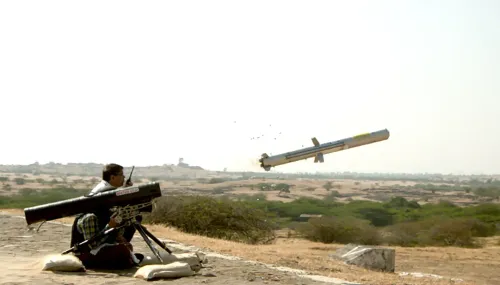
The sixth positive indigenisation list — notified last week — covers 405 items with a business potential of ₹3,070 crore , including Konkurs-M , Invar , and MRSAM systems.
Over 15,700 defence items have been indigenised in five years, with an estimated import substitution value of ₹9,000 crore .
Defence PSUs have placed domestic procurement orders worth approximately ₹10,000 crore up to March 2026 .
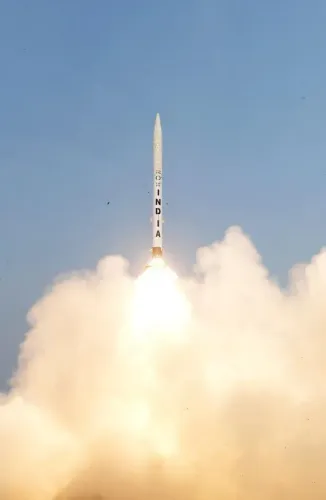
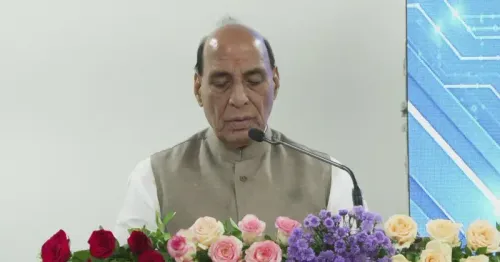
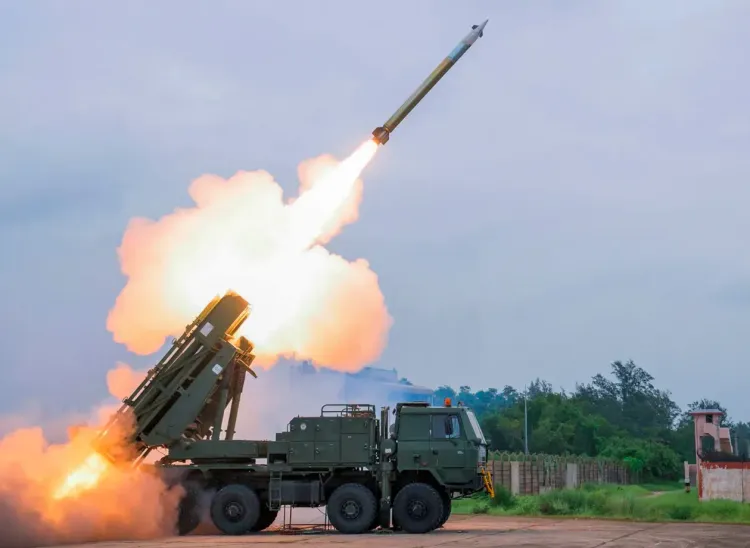
Defence Minister Rajnath Singh has approved the transfer of DRDO-developed technologies covering all conventional missile systems to the Indian defence industry, enabling domestic production of advanced missile platforms for the first time at this scale. The decision, announced through an official Ministry of Defence statement on Tuesday, 25 August, is being positioned as a landmark step in India's Aatmanirbharta (self-reliance) drive in defence manufacturing.
What Has Been Approved
The clearance allows Indian defence companies to receive and absorb DRDO-developed technologies for the full range of conventional missile systems, subject to applicable qualifications, certifications, and regulatory requirements. The move is designed to shift missile system development from laboratory-stage research into full-scale industrial production within the country.
According to the official statement, the initiative will create new openings for Indian MSMEs and technology partners to participate in the missile supply chain — a segment that has historically been dominated by imports or state-run production units.
The Indigenisation Push in Numbers
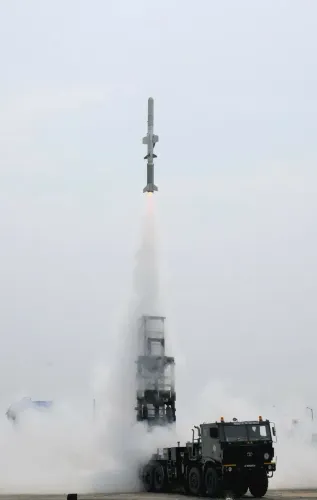
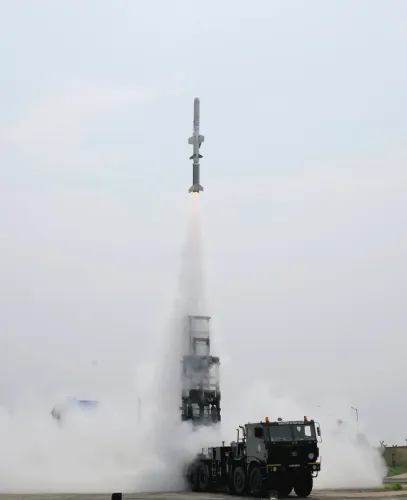
The approval follows closely on the Department of Defence Production notifying, last week, the sixth positive indigenisation list — comprising 405 strategically important items with an estimated business potential of ₹3,070 crore. The list includes warship missile systems such as Konkurs-M, Invar, and MRSAM, along with defence electronics covering radars, sonars, fire control systems, and satellite communication systems, as well as high-explosive anti-tank ammunition.
Cumulatively, more than 15,700 defence items have been indigenised over the past five years, generating an estimated import substitution value of approximately ₹9,000 crore. Defence public sector undertakings have additionally placed procurement orders — including in-house production — worth around ₹10,000 crore on domestic vendors up to March 2026.
Why This Decision Matters
India remains one of the world's largest defence importers, and missile systems represent a high-value, high-sensitivity segment of that import bill. By opening DRDO's missile technology portfolio to private and public industry, the government is attempting to compress the gap between indigenous research capability and serial production — a gap that has long delayed fielding of domestically developed systems.
Notably, this is not a one-off gesture. The successive indigenisation lists — six now in total — signal a structured, escalating policy commitment to reducing import dependence across the defence ecosystem, from electronics to munitions to complex guided weapon systems.
What DRDO Said
The official statement quoted DRDO as saying it 'remains committed to working closely with Indian industry to facilitate the transfer and absorption of advanced defence technologies and to further strengthen the country's indigenous defence capabilities.' The language signals an institutional pivot: DRDO is increasingly casting itself as a technology licensor and enabler, not merely a developer.
What Comes Next
Industry bodies and private defence manufacturers are expected to engage with DRDO on technology absorption timelines and production readiness assessments. The broader objective, as stated by the Ministry, is to enhance operational capability, reduce import dependence, and increase domestic value addition — goals that will be tested by how quickly the private sector can scale up production of complex missile sub-systems.
Point of View
But the harder question is absorption capacity. DRDO has a long record of developing systems that struggle to transition into serial production — the Arjun tank and Tejas programme both illustrate the gap between laboratory success and industrial scale. Opening the technology to private industry is necessary but not sufficient; what the policy still lacks is a binding timeline and penalty structure for production readiness. The sixth indigenisation list also deserves scrutiny: listing items is not the same as replacing them. India's defence import bill has remained stubbornly high despite five previous lists. The real metric is how many of those 15,700 indigenised items are in active procurement — and at what quality threshold.
NationPress
25 Aug 2026
Frequently Asked Questions
What has India approved regarding DRDO missile technology?
Defence Minister Rajnath Singh has approved the transfer of DRDO-developed technologies for all conventional missile systems to the Indian defence industry for domestic production. The decision, announced on 25 August, allows private and public sector companies to receive, absorb, and manufacture these missile systems within India, subject to qualification and regulatory requirements.
What is the sixth positive indigenisation list?
The sixth positive indigenisation list, notified by the Department of Defence Production last week, comprises 405 strategically important defence items with an estimated business potential of ₹3,070 crore. It includes warship missile systems such as Konkurs-M, Invar, and MRSAM, as well as radars, sonars, fire control systems, and high-explosive anti-tank ammunition — all targeted for domestic manufacturing.
How much import substitution has India achieved in defence so far?
More than 15,700 defence items have been indigenised over the past five years, generating an estimated import substitution value of approximately ₹9,000 crore. Defence PSUs have also placed procurement orders worth around ₹10,000 crore on domestic vendors up to March 2026.
Why does the DRDO missile technology transfer matter for Indian MSMEs?
The transfer explicitly aims to create supply chain opportunities for Indian MSMEs and technology partners in the missile production ecosystem — a segment previously inaccessible to smaller domestic firms. It is intended to broaden the defence industrial base beyond large public sector units.
What role will DRDO play after the technology transfer?
According to the official statement, DRDO will work closely with Indian industry to facilitate technology transfer and absorption, positioning itself as an enabler rather than solely a developer. The organisation will support the transition from research-stage development to full industrial production of missile systems.