India lifts wheat flour export ban: atta, maida, semolina now free
Synopsis
After nearly three years, India has fully lifted export restrictions on wheat flour, maida, and semolina — a reversal driven by record foodgrain output of 376.563 million tonnes in 2025-26. The move repositions India as a global wheat supplier just as international prices remain elevated post the Russia-Ukraine disruption.
Key Takeaways
The DGFT on 24 August shifted atta, maida, semolina, wholemeal atta , and resultant atta from 'prohibited' to 'free' export category.
Export curbs were first imposed in May 2022 following the Russia-Ukraine conflict , which spiked global wheat demand and domestic prices.
India's wheat production hit 120.657 million tonnes in 2025-26 , up 2.712 million tonnes year-on-year.
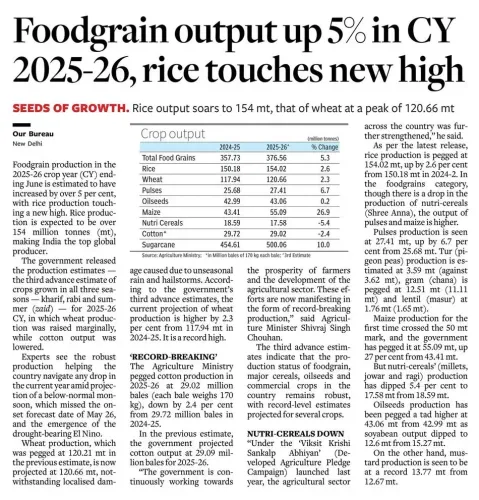
Total foodgrain output reached an all-time high of 376.563 million tonnes in 2025-26 , a 5.3% rise over the previous year.
In February 2025 , the government had already permitted 25 LMT of wheat and 5 LMT of wheat product exports as a precursor to full liberalisation.
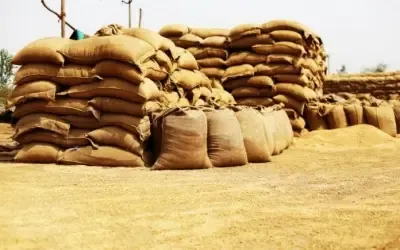
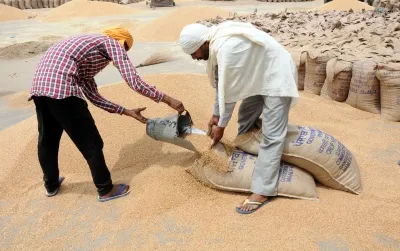
The Centre has formally lifted export restrictions on key wheat-derived products — including atta, maida, semolina (rava), wholemeal atta, and resultant atta — shifting them from the 'prohibited' to the 'free' category, according to a notification issued by the Directorate General of Foreign Trade (DGFT) on Monday, 24 August. The move ends a nearly three-year-old export curb that was first imposed in 2022 to protect domestic food security and cool rising prices.
What Changed in Export Policy
Under the revised policy, wheat or meslin flour, maida, semolina, wholemeal atta, and resultant atta can now be exported without any quantitative or regulatory restrictions. The DGFT notification formalises the shift, signalling that the government is confident domestic supply can sustain both local demand and overseas trade simultaneously.
Why the Curbs Were Imposed in 2022
The original restrictions came in two phases. On 13 May 2022, the export policy for wheat was changed from free to prohibited, with curbs extended to wheat flour exports in August 2022. The trigger was the Russia-Ukraine conflict, which disrupted global wheat supplies, spiked international demand for Indian wheat, and drove domestic prices sharply higher. The government argued at the time that safeguarding food security for India's 1.4 billion population took precedence over export revenues.
Record Harvests Pave the Way
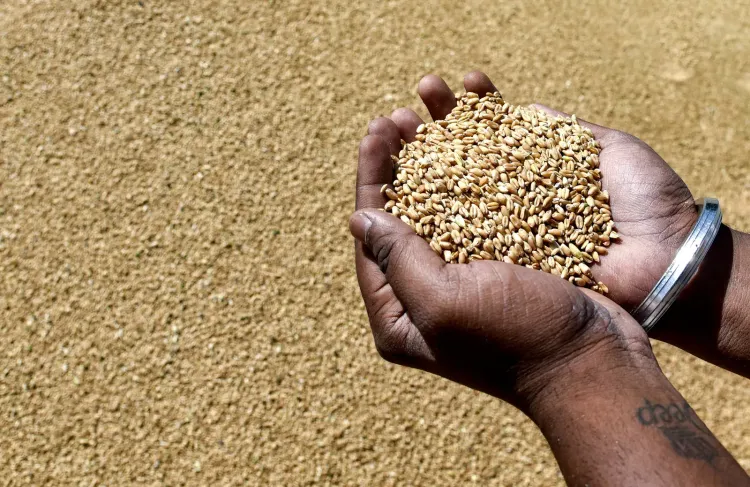
The policy reversal is underpinned by a significant improvement in agricultural output. According to data released in May, India's total foodgrain production rose 5.3% to an all-time high of 376.563 million tonnes in 2025-26, up from 357.732 million tonnes the previous year. Wheat production alone was estimated at 120.657 million tonnes — 2.712 million tonnes higher than the 117.945 million tonnes recorded in 2024-25. Rice output also climbed to 154.024 million tonnes from 150.184 million tonnes.
Notably, the government had already begun easing restrictions incrementally. In February this year, it permitted the export of 25 lakh metric tonnes (LMT) of wheat and an additional 5 LMT of wheat products, citing improved stock availability — a signal that Monday's full liberalisation had been in the pipeline for months.
What This Means for Trade and Farmers
The removal of export curbs is expected to open up markets for Indian wheat processors, flour millers, and farmers, particularly as global wheat prices remain elevated relative to pre-conflict levels. Indian exporters, who lost market share to competitors during the ban period, are now positioned to re-enter key markets in Southeast Asia, the Middle East, and Africa. The decision also sends a signal to global commodity markets that India — one of the world's largest wheat producers — is returning as a reliable supplier. How quickly trade volumes recover will depend on the pace at which exporters rebuild buyer relationships disrupted since 2022.
Point of View
But it also carries risk. Record output is real, but India's buffer stocks have been under pressure from both domestic consumption and climate variability. The government eased restrictions in tranches — 25 LMT in February, full freedom in August — suggesting it was watching stocks carefully rather than acting from surplus confidence alone. The deeper question is whether Indian exporters can reclaim market share lost during three years of prohibition, or whether competitors have locked in long-term supply agreements that India will struggle to displace. The timing, ahead of the global rabi planting season, is deliberate — but execution will depend on how quickly trade pipelines are rebuilt.
NationPress
24 Aug 2026
Frequently Asked Questions
Which wheat products are now free to export from India?
Atta (wheat or meslin flour), maida, semolina (rava), wholemeal atta, and resultant atta have all been moved to the 'free' export category by the DGFT as of 24 August. These products can now be exported without any quantitative restrictions.
Why did India ban wheat flour exports in 2022?
India imposed export curbs on wheat in May 2022 and extended them to wheat flour in August 2022 after the Russia-Ukraine conflict disrupted global supplies, drove up international demand for Indian wheat, and pushed domestic prices higher. The government cited the need to protect food security for its 1.4 billion population.
What is India's wheat production in 2025-26?
India's wheat production in 2025-26 was estimated at 120.657 million tonnes, which is 2.712 million tonnes higher than the 117.945 million tonnes produced in 2024-25, according to data released in May.
Were any exports allowed during the ban period?
Yes, certain exceptions were permitted throughout the ban. In February 2025, the government allowed the export of 25 lakh metric tonnes of wheat and an additional 5 lakh metric tonnes of wheat products, citing improved domestic stock availability.
How does India's total foodgrain output factor into this decision?
India's total foodgrain production rose 5.3% to an all-time high of 376.563 million tonnes in 2025-26, up from 357.732 million tonnes the previous year. The record harvest gave the government sufficient confidence to fully lift wheat flour export restrictions.